info@seagull-health.com
SeagullHealth
语言:
search
Pharmaceutical News and Articles
COAGADEX® Earns Orphan Drug Designation for Rare Bleeding Disorder

Kedrion Biopharma has announced a major step forward in rare disease treatment: its plasma-derived therapy, COAGADEX® (Coagulation Factor X, Human), has received Orphan Drug Designation (ODD) from the U.S. FDA for treating acquired Factor X deficiency (aFXD). This rare blood disorder affects fewer than 1 in 1,000,000 people globally. Alongside the designation, the FDA has also approved the initiation of a clinical trial to study COAGADEX's safety and effectiveness in aFXD patients, especially those with AL amyloidosis.

Expanding COAGADEX's Reach Beyond Hereditary Factor X Deficiency

COAGADEX is already approved in 38 countries to treat hereditary Factor X deficiency (HFXD) in both adults and children. It's used to prevent bleeding episodes, manage active bleeds, and control bleeding during surgeries. With this new ODD, Kedrion aims to expand COAGADEX's application to acquired forms of the deficiency, which are much rarer and harder to treat.

Bob Rossilli, Chief Commercial Officer at Kedrion Biopharma, emphasized the importance of this milestone: "This designation highlights the unmet medical need in aFXD and recognizes COAGADEX's potential to meet that need."

Understanding Acquired Factor X Deficiency and AL Amyloidosis

Unlike hereditary FX deficiency, acquired FX deficiency often develops due to another condition—most commonly AL amyloidosis. In this disease, abnormal protein deposits (amyloid fibrils) bind to Factor X in the bloodstream, lowering its levels and speeding up its breakdown. This leads to a high risk of spontaneous bleeding and complications during surgery.

To address this, Kedrion has launched a clinical trial to see if COAGADEX can restore proper blood clotting in this vulnerable group. The first trial site is already active and enrolling patients with moderate to severe aFXD, defined by FX activity levels under 50% of normal.

A Precision Approach to a Rare Disorder

Nisha Jain, Kedrion's VP of Global Clinical Development and Strategy, called the trial a “pivotal step” in evaluating COAGADEX's potential beyond hereditary cases. “By targeting aFXD in patients with light chain amyloidosis,” she explained, “we are furthering precision treatment for rare bleeding disorders.” She also noted that the FDA's fast response to the trial proposal underscores the importance of their work.

Important Safety Information About COAGADEX

Like all plasma-derived products, COAGADEX carries some risks. Allergic reactions, including anaphylaxis, may occur. Patients should stop treatment and seek medical help if such symptoms arise. There's also a possibility of developing neutralizing antibodies (inhibitors) against Factor X, which may reduce treatment effectiveness.

Although no infections have been reported, COAGADEX is made from human plasma and may carry a theoretical risk of virus or prion transmission, such as vCJD or CJD. In clinical studies, the most common side effects (seen in at least 5% of patients) included infusion site redness, pain, fatigue, and back pain.

About Kedrion Biopharma

Kedrion Biopharma is a global biopharmaceutical company focused on collecting and processing blood plasma to develop treatments for rare and serious conditions. These include bleeding disorders, neurological diseases, immune deficiencies, and Rh sensitization. With over 5,200 employees worldwide, Kedrion remains committed to advancing care for patients living with rare and life-altering diseases.

Wednesday, August 6th, 2025, 10:06
EMA Issues Positive Opinion on Mirdametinib for NF1-Associated Plexiform Neurofibromas

On 22 May 2025, the European Medicines Agency’s Committee for Medicinal Products for Human Use (CHMP) recommended granting a conditional marketing authorisation for mirdametinib (brand name: Ezmekly). This targeted therapy is intended for adults and children aged 2 years and older with neurofibromatosis type 1 (NF1) who have symptomatic, inoperable plexiform neurofibromas. The recommendation highlights the potential of mirdametinib to address an unmet medical need in this rare disease population.

Treatment Target and Mechanism

Mirdametinib is a selective, non-competitive inhibitor of MEK1 and MEK2, components of the RAF-MEK-ERK signalling pathway, which plays a central role in the growth and survival of tumour cells. In NF1 patients, this pathway is often abnormally activated, contributing to the development of plexiform neurofibromas. By blocking MEK, mirdametinib helps reduce tumour volume and limit disease progression. It will be available as 1 mg and 2 mg hard capsules and 1 mg dispersible tablets under the brand name Ezmekly.

Clinical Benefits and Trial Results

The clinical benefit of Ezmekly was demonstrated in a single-arm study, where it showed durable responses—mainly tumour shrinkage—in NF1 patients with symptomatic, inoperable plexiform neurofibromas. This outcome was observed in both adults and children starting from age 2, providing hope for a patient group that previously lacked effective treatment options.

Side Effects and Safety Profile

In adult patients, common side effects reported with Ezmekly include acneiform dermatitis, diarrhoea, nausea, increased creatine phosphokinase, musculoskeletal pain, vomiting, and fatigue. In children, similar side effects were observed, with abdominal pain and headache also noted. These findings reflect a generally manageable safety profile, although continued monitoring is necessary as more data become available.

Regulatory Status and Orphan Designation

Mirdametinib received an orphan drug designation during its development, acknowledging the rarity of NF1 and the lack of treatment options for its related tumours. The CHMP’s recommendation paves the way for conditional approval, meaning the product can be made available before all confirmatory clinical data are in. However, the manufacturer, SpringWorks Therapeutics Ireland Limited, will need to submit comprehensive long-term data later to confirm its efficacy and safety.

Next Steps and Access

Following this positive opinion, the European Commission is expected to issue a final decision within approximately 67 days. Once approved, full prescribing information will be published on the EMA website. As part of the conditional authorisation process, the treatment will be restricted to use by physicians experienced in managing NF1-related tumours.

This recommendation represents an important milestone for the NF1 community, potentially offering the first targeted oral therapy for children and adults with symptomatic, inoperable plexiform neurofibromas.

Monday, August 4th, 2025, 09:50
Kedrion Biopharma Advances COAGADEX for Rare Bleeding Disorder with New FDA Designation and Clinical Trial

Kedrion Biopharma has received Orphan Drug Designation from the U.S. FDA for COAGADEX®, a plasma-derived human coagulation factor concentrate, targeting Acquired Factor X Deficiency (aFXD), a rare condition with extremely low prevalence worldwide. Alongside this designation, the FDA has authorized the start of a clinical trial to evaluate the efficacy and safety of COAGADEX in treating bleeding episodes and managing surgical bleeding in patients with aFXD linked to AL amyloidosis. This move expands the drug's scope beyond hereditary Factor X deficiency (HFXD), where it is already approved in 38 countries.

About COAGADEX and Its Current Use

COAGADEX is currently indicated for patients with hereditary Factor X deficiency. It helps prevent and control bleeding episodes and supports patients undergoing surgery. The product is manufactured by Bio Products Laboratory Limited and distributed in the U.S. by Kedrion Biopharma. With established approval in multiple countries, COAGADEX plays a key role in the treatment of rare coagulation disorders.

Expanding to Treat Acquired Factor X Deficiency (aFXD)

The new focus is on acquired FX deficiency, most often caused by AL amyloidosis. In this condition, amyloid fibrils bind to Factor X, lowering its level in the blood and raising the risk of serious bleeding. Kedrion's upcoming clinical trial will target moderate and severe aFXD cases, defined as having Factor X activity below 50%. The trial aims to assess COAGADEX's potential to restore proper clotting in these high-risk patients.

Regulatory and Clinical Progress

The FDA's Orphan Drug Designation is a key milestone that highlights both the rarity of aFXD and the need for new treatment options. The green light for clinical trials signals regulatory support for further investigation into COAGADEX's expanded use. According to Kedrion executives, this study could redefine treatment standards for acquired bleeding disorders.

Safety Information and Monitoring

Like all plasma-derived therapies, COAGADEX carries certain risks. These include possible allergic reactions, formation of inhibitors (neutralizing antibodies), and theoretical risks of transmitting infectious agents. In clinical studies, common side effects included infusion site redness, pain, fatigue, and back pain. Ongoing patient monitoring is essential during treatment.

COAGADEX's expansion into aFXD represents a meaningful step in rare disease care. By addressing an urgent need in patients with amyloidosis-associated bleeding, Kedrion is working to offer a new option where few currently exist.

Thursday, July 31st, 2025, 09:33
Long-Term Benefits of TIBSOVO® in IDH1-Mutated AML: A Summary of the Phase 3 AGILE Trial Results

Servier recently published updated long-term data from the Phase 3 AGILE trial in Blood Advances, confirming the sustained survival benefit of TIBSOVO® (ivosidenib) combined with azacitidine for patients with newly diagnosed IDH1-mutated acute myeloid leukemia (AML) who cannot receive intensive chemotherapy. The findings reinforce TIBSOVO plus azacitidine as a standard of care in this population, with improved overall survival, faster hematologic recovery, and manageable safety outcomes.

Improved Survival and Hematologic Outcomes

The updated analysis, with a median follow-up of 28.6 months, showed that patients receiving the TIBSOVO-azacitidine combination had a median overall survival (OS) of 29.3 months versus 7.9 months in the placebo group. The hazard ratio was 0.42, indicating a 58% reduction in the risk of death. In addition, hematologic recovery was quicker and more sustained with TIBSOVO. Over half (53.8%) of the patients became transfusion independent, compared to only 17.1% in the control arm.

Molecular Response and Safety

Among molecular measurable-residual disease (MRD)-evaluable patients in the TIBSOVO arm, 30.3% achieved MRD negativity by Cycle 14, all with complete response (CR). By Cycle 7, 70% of these patients had already achieved MRD-negative status. The safety profile remained consistent with earlier reports. The most common Grade ≥3 blood-related side effects were anemia, neutropenia, and febrile neutropenia. Non-hematologic side effects included QT interval prolongation and pneumonia, with no new safety concerns identified.

Regulatory Background and Trial Design

TIBSOVO received FDA approval in 2022 for use in combination with azacitidine for patients 75 years or older or those unfit for intensive induction therapy. The AGILE trial was a randomized, double-blind, placebo-controlled study. Primary outcomes included event-free survival (EFS), while secondary endpoints assessed response rates and overall survival. The trial highlighted the importance of genetic testing in AML to guide targeted treatment.

Conclusion

The long-term AGILE trial results demonstrate the durable benefits of TIBSOVO in combination with azacitidine for IDH1-mutated AML patients not eligible for intensive chemotherapy. These outcomes not only support its use as a frontline therapy but also emphasize the critical role of molecular diagnostics in improving treatment selection and survival outcomes.

Tuesday, July 29th, 2025, 09:46
European Commission Approves DARZALEX Faspro for High-Risk Smouldering Multiple Myeloma

On July 23, 2025, the European Commission approved DARZALEX Faspro® (daratumumab), co-formulated with Halozyme's ENHANZE® technology, as monotherapy for adult patients with high-risk smouldering multiple myeloma (SMM). This marks a significant development in the early treatment of multiple myeloma, offering a proactive approach to managing this blood disorder. The approval is based on Phase 3 AQUILA study data and reflects a shift from passive monitoring to early intervention in high-risk cases.

About the New Indication and Disease Context

Smouldering multiple myeloma is an early, asymptomatic stage of multiple myeloma where abnormal plasma cells are present in the bone marrow. While current practice typically involves close observation without treatment, high-risk patients face a greater chance of disease progression. DARZALEX Faspro®, a subcutaneous formulation of daratumumab, now offers an option for earlier therapeutic action, potentially delaying or preventing full-blown disease.

Key Clinical Data Supporting Approval

The EC approval was driven by results from the Phase 3 AQUILA study (NCT03301220). This trial compared fixed-duration subcutaneous daratumumab monotherapy to active monitoring in patients with high-risk SMM. Findings showed that early intervention with DARZALEX Faspro® improved patient outcomes compared to waiting for disease progression. These results support the drug's expanded role across all stages of multiple myeloma treatment.

ENHANZE® Technology and Halozyme's Role

DARZALEX Faspro® is co-formulated with Halozyme's proprietary ENHANZE® drug delivery platform, which uses recombinant human hyaluronidase PH20 (rHuPH20). This technology enables rapid subcutaneous administration, improving patient comfort and reducing infusion time. ENHANZE® is licensed by multiple global pharmaceutical companies and incorporated in over 10 commercial products worldwide, aiming to enhance both convenience and adherence.

About Halozyme Therapeutics

Halozyme is a biopharmaceutical company based in San Diego, specializing in drug delivery solutions and therapeutic devices. Beyond ENHANZE®, it also develops combination products and auto-injector systems. Its partnerships include major pharmaceutical names such as Roche, Pfizer, Janssen, AbbVie, and Takeda. Halozyme continues to expand its technology's application in various therapeutic areas, improving how medicines are delivered and experienced by patients globally.

Friday, July 25th, 2025, 09:36
Eisai Highlights Long-Term Progress with Lecanemab in Alzheimer's Research

Eisai announced new data showcasing the long-term efficacy and safety of lecanemab (LEQEMBI®), its anti-amyloid beta antibody, for the treatment of early Alzheimer's disease (AD). These updates, presented at the 2025 Alzheimer's Association International Conference (AAIC), include four-year trial results, real-world patient data, and a new subcutaneous formulation. Eisai also shared progress on its tau-targeting antibody etalanetug (E2814), reinforcing its ongoing commitment to developing innovative therapies for AD.

Long-Term Data and Subcutaneous Formulation

At AAIC 2025, Eisai presented four-year results from the open-label extension of the Phase 3 Clarity AD trial, showing sustained benefit and safety of lecanemab in early AD. Additionally, Eisai introduced findings on a subcutaneous version of lecanemab designed for maintenance therapy. This alternative delivery method may offer a more convenient option for ongoing treatment, potentially improving adherence and access.

Real-World Experience and Biomarker Research

Eisai also shared real-world case studies from U.S. clinics, highlighting patient outcomes and clinical pathways two years after lecanemab's approval. Another key poster presentation featured a novel immunoassay that detects amyloid-β protofibrils in cerebrospinal fluid, aiding early diagnosis and monitoring of treatment response.

Progress with Etalanetug and Combination Trials

Eisai reported early results from the DIAN-TU-001 NexGen Trial, which evaluates etalanetug (E2814), an anti-tau antibody, in combination with lecanemab in genetically inherited AD. This dual-acting approach targets both amyloid and tau pathology, aiming to slow or prevent disease progression.

Global Access and Research Partnerships

Lecanemab is already approved in over 15 regions, including the U.S., Japan, China, and the EU, for patients with mild cognitive impairment or early-stage AD. Ongoing trials such as AHEAD 3-45 and Tau NexGen continue to assess lecanemab's effects in preclinical and inherited forms of AD. Eisai leads the development and global regulatory work, in collaboration with Biogen and BioArctic.

Conclusion

With four-year data, new delivery options, and insights from real-world settings, Eisai's presentations at AAIC 2025 reflect steady progress in AD research. Through strategic alliances and a focus on dual-target approaches, the company continues to expand its Alzheimer's pipeline and global reach.

Wednesday, July 23rd, 2025, 13:36
Emerging Growth and Innovation in the SERM Market (2020–2034)

The selective estrogen receptor modulator (SERM) market is on a strong upward trajectory, driven by increasing demand in oncology and women's health. A recent DelveInsight report highlights key factors fueling this growth, including rising cases of hormone-related disorders, expanding clinical pipelines, and growing awareness of SERMs' benefits. With a focus on key indications like breast cancer and postmenopausal conditions, the market is expected to see substantial expansion through 2034, particularly across the seven major markets (7MM).

Expanding Clinical Pipeline and Key Players

Companies such as Atossa Therapeutics and Sermonix Pharmaceuticals are actively developing next-generation SERMs. Notably, (Z)-Endoxifen and Lasofoxifene are among the most promising agents in clinical development. Atossa secured a U.S. patent for enteric formulations of (Z)-Endoxifen in April 2025, and ongoing trials show its potential in reducing tumor growth and recurrence in ER+ breast cancer. Sermonix's Lasofoxifene is being explored for ESR1-mutant breast cancer, with positive early results in both tumor suppression and symptom management in premenopausal and postmenopausal patients.

Market Dynamics and Drivers

The market's growth is anchored by the rising prevalence of hormone receptor-positive breast cancer and postmenopausal issues like osteoporosis and dyspareunia. SERMs offer tissue-specific actions, enabling therapeutic benefits without the broad risks of hormone replacement therapy. With increasing healthcare access and awareness in emerging markets, demand is expected to grow steadily. Moreover, the rise of personalized medicine supports SERM use in targeted treatment strategies.

Challenges and Innovation

Despite strong momentum, challenges such as side effects, generic competition, and the rise of alternative therapies (e.g., aromatase inhibitors and biologics) pose headwinds. However, innovation remains central. Developers are pursuing SERMs with improved safety profiles and expanded indications, including cardiovascular and cognitive health. Partnerships, licensing, and new regulatory approvals are shaping a competitive and evolving market.

Therapeutic Applications and Market Outlook

SERMs like tamoxifen, toremifene, ospemifene (OSPHENA), and the combination product DUAVEE continue to play a key role in treating breast cancer, managing menopause-related symptoms, and preventing osteoporosis. As newer agents approach approval, the market is set to evolve further, offering more personalized and effective care options. Continued innovation, combined with broader therapeutic applications, is expected to solidify SERMs' position in the modern treatment landscape.

Monday, July 21st, 2025, 09:52
EMA Recommends Expanded Use of Durvalumab in Muscle Invasive Bladder Cancer

On May 22, 2025, the European Medicines Agency (EMA)'s Committee for Medicinal Products for Human Use (CHMP) issued a positive opinion recommending an extension to the marketing authorisation of durvalumab (Imfinzi). This recommendation introduces a new indication for patients with resectable muscle invasive bladder cancer (MIBC), adding to Imfinzi’s growing list of approved uses in various cancers. The updated product information will be published following a final decision from the European Commission.

New Indication for MIBC

The CHMP supports the use of Imfinzi in combination with gemcitabine and cisplatin as neoadjuvant treatment, followed by Imfinzi monotherapy as adjuvant treatment after radical cystectomy. This recommendation applies to adult patients with resectable MIBC and aims to improve outcomes by integrating immunotherapy into both pre- and post-surgical phases of treatment.

Imfinzi's Broader Oncology Indications

Imfinzi is already authorised in several cancers, with its use expanding in both monotherapy and combination settings:

Non-Small Cell Lung Cancer (NSCLC):

Imfinzi is used in multiple settings:

With platinum-based chemotherapy as neoadjuvant treatment, followed by monotherapy as adjuvant therapy in resectable NSCLC at high risk of recurrence.

As monotherapy in locally advanced, unresectable NSCLC with PD-L1 expression ≥1%, following chemoradiotherapy.

With tremelimumab and platinum-based chemotherapy as first-line therapy in metastatic NSCLC without EGFR or ALK alterations.

Small Cell Lung Cancer (SCLC):

Imfinzi is approved:

As monotherapy in limited-stage SCLC after platinum-based chemoradiotherapy.

In combination with etoposide and platinum agents (carboplatin or cisplatin) for extensive-stage disease in the first-line setting.

Biliary Tract Cancer (BTC):

Imfinzi combined with gemcitabine and cisplatin is approved for first-line treatment in adults with unresectable or metastatic BTC.

Hepatocellular Carcinoma (HCC):

Imfinzi is used either as monotherapy or in combination with tremelimumab for first-line treatment in adults with advanced or unresectable disease.

Endometrial Cancer:

Imfinzi is approved in combination with carboplatin and paclitaxel as initial therapy for advanced or recurrent endometrial cancer. Maintenance options depend on mismatch repair status:

Monotherapy for mismatch repair-deficient (dMMR) disease.

Combination with olaparib for mismatch repair-proficient (pMMR) disease.

Next Steps

A detailed update to the summary of product characteristics will be published on the EMA website in all EU languages after formal approval by the European Commission. The Commission typically issues its decision within 67 days of the CHMP’s positive opinion.

Friday, July 18th, 2025, 10:16
共 22 条
  • 1
  • 2
  • 3
前往
New Drugs
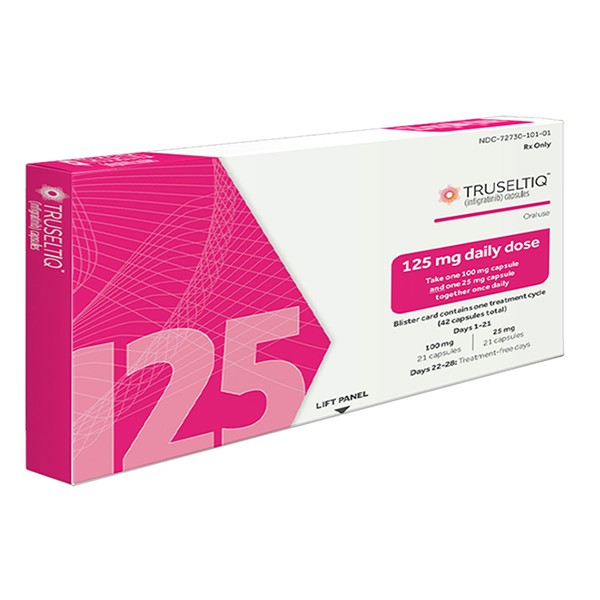
Infigratinib(Truseltiq)
Treatment of previously treated, unresectable locally advanced or metastatic...
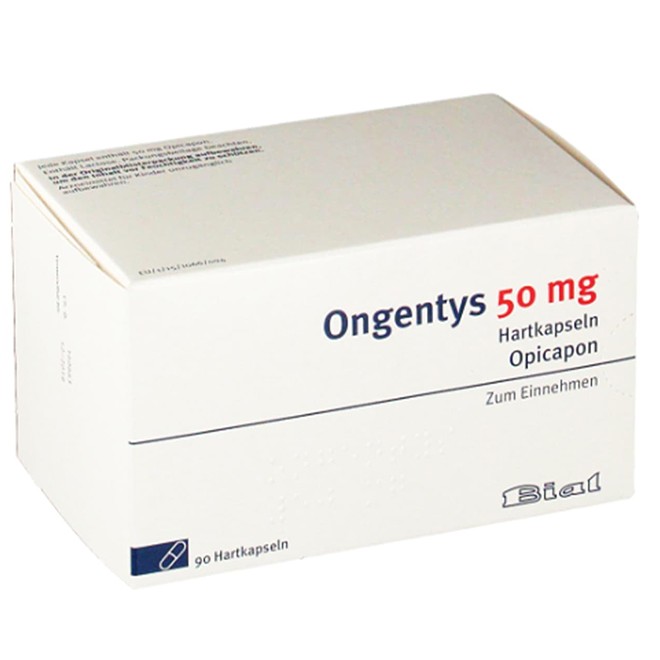
Opicapone(Ongentys)
Opicapone(Ongentys)
Adjunctive treatment to levodopa/carbidopa for reducing "off" episodes in...
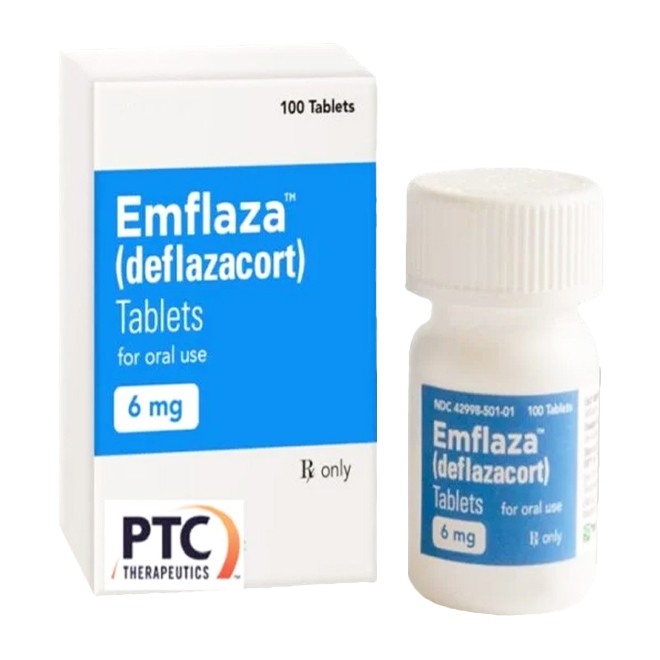
Deflazacort(Emflaza)
Treatment of Duchenne muscular dystrophy (DMD) in patients aged 2 years and...
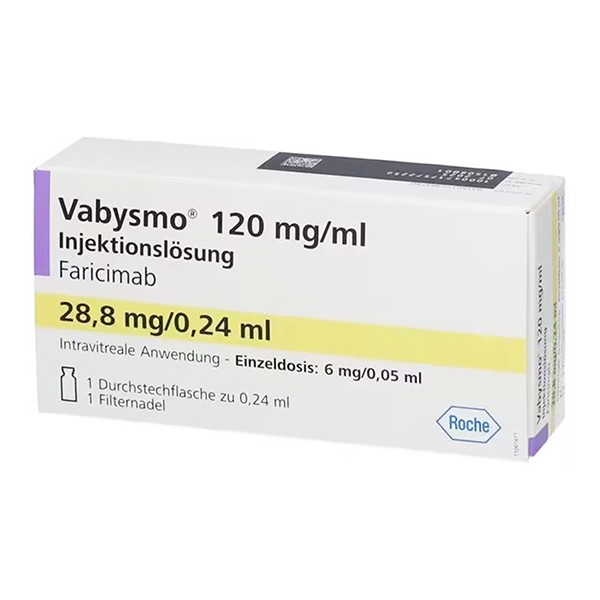
Faricimab-svoa(Vabysmo)
Treatment of neovascular age-related macular degeneration, diabetic macular...
Counselling Service
Global Drug Search
Clinical Research Recruitment
Overseas Medical Treatment
Remote Consultations
Note: Our medical consultant will contact you as soon as possible. We promise to strictly protect your privacy.
Submit
Business
  • Core products
  • Antitumor drugs
  • General drug
  • Antiviral drugs
  • Biological agents
Contact Us 
  • mailbox:info@lucius.la
Welcome to consult
ucius Pharmaceuticals (Lao) Co.,Ltd All rights reserved