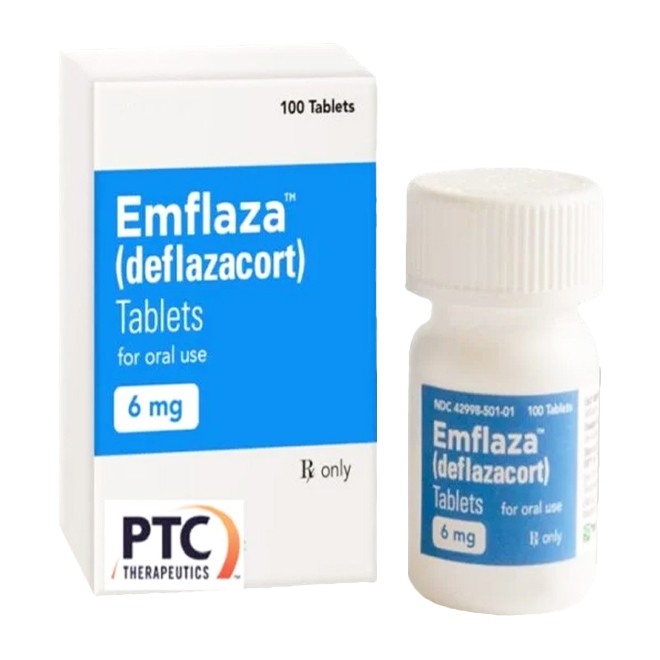


Vornorexant Tablets (Vornorexant) are a new type of medication for treating insomnia, classified as an orexin receptor antagonist. It helps patients transition naturally into sleep by blocking orexin neuropeptides in the brain that promote wakefulness.
Dosage and Administration of Vornorexant Tablets: Recommended Dosage
Standard Administration
Vornorexant Tablets should be taken orally immediately before bedtime every night.
To reduce the risk of delayed drug absorption, avoid taking the medication with food or immediately after a meal.
Recommended Dosage for Adults
For most adult patients with insomnia, the recommended starting dose and regular dose is 5 mg once daily.
Patients should use the lowest effective dose that achieves therapeutic benefits.
The dose can be adjusted appropriately based on the patient’s treatment response and tolerance, but the maximum daily dose should not exceed 10 mg.
Dosage Adjustment of Vornorexant Tablets
Dosage Adjustment When Used with Concomitant Medications
When Vornorexant Tablets are used in combination with moderate CYP3A inhibitors, the blood concentration of Vornorexant will increase significantly, raising the risk of side effects such as next-day drowsiness.
Such medications include fluconazole, erythromycin, verapamil, etc.
Adjustment recommendation: When co-administered with the above medications, the dose of Vornorexant Tablets should be reduced to 2.5 mg once daily.
Dosage Adjustment for Patients with Hepatic Impairment
The liver is the main organ for Vornorexant metabolism; hepatic impairment can affect its clearance.
Mild hepatic impairment (Child-Pugh Class A): Usually no dosage adjustment is required, but close monitoring is recommended.
Moderate hepatic impairment (Child-Pugh Class B): The blood concentration of Vornorexant will increase; for safety, a dose of 2.5 mg once daily is recommended.
Severe hepatic impairment (Child-Pugh Class C): Use of Vornorexant Tablets is contraindicated in such patients.
Administration of Vornorexant Tablets in Special Populations
Elderly Patients
Clinical studies have shown no significant difference in blood concentrations of Vornorexant between elderly patients and non-elderly patients.
The dosage and administration for elderly patients can be the same as for adults, but treatment should still start with a low dose, and close monitoring for adverse reactions such as drowsiness and dizziness is necessary.
Pregnant and Lactating Women
Pregnant women: Vornorexant Tablets may be considered only if the benefit to the pregnant woman outweighs the potential risk to the fetus.
Lactating women: It is unknown whether Vornorexant is excreted in human milk. When considering continuing breastfeeding or discontinuing the medication, the therapeutic benefit of the drug to the mother and the benefit of breastfeeding to the infant should be weighed.
Patients with Other Concurrent Diseases
Patients with narcolepsy/cataplexy: Vornorexant may exacerbate the condition and is contraindicated.
Patients with organic brain disorders: The drug may have a stronger effect, so cautious use is required.