info@seagull-health.com
SeagullHealth
语言:
search
new
How to Use Glasdegib Film-Coated Tablets
502
Article source: Seagull Pharmacy
Sep 15, 2025

Glasdegib film-coated tablets are a type of Smoothened (SMO) inhibitor. Approved in the United States in 2018, they are indicated for the treatment of newly diagnosed acute myeloid leukemia (AML) in combination with low-dose cytarabine. This therapeutic option is specifically intended for adult patients who are ≥ 75 years old or who cannot receive intensive induction chemotherapy due to comorbidities.

How to Use Glasdegib Film-Coated Tablets

Standard Dosing Regimen

Dose and Treatment Course: The recommended dose is 100 mg taken orally once daily, in combination with cytarabine (20 mg administered subcutaneously twice daily, on Days 1 to 10). One treatment cycle is 28 days. If there is no intolerable toxicity or disease progression, it is recommended to continue treatment for at least 6 cycles.

Administration Requirements: The tablets can be taken with or without food, and must be swallowed whole—they should not be split or crushed. Take the medication at the same fixed time every day. If vomiting occurs after administration or a dose is missed, do not make up for the missed dose; take the next dose as scheduled.

Precautions for Combined Medication

Avoid concurrent use with strong CYP3A4 inducers (e.g., rifampicin), as this may reduce the blood concentration of glasdegib.

Strong CYP3A4 inhibitors (e.g., ketoconazole) may increase the risk of QT interval prolongation, requiring close monitoring.

Dose Adjustment of Glasdegib Film-Coated Tablets

Dose Adjustment for QT Interval Prolongation

QTc interval > 480 ms to 500 ms: Correct electrolyte imbalances, discontinue concurrent use of drugs that prolong the QT interval, and monitor the electrocardiogram (ECG) weekly until the QT interval returns to normal.

QTc interval > 500 ms: Discontinue glasdegib temporarily. Once the QT interval recovers, resume treatment at a reduced dose of 50 mg per day. In case of life-threatening arrhythmias, discontinue the drug permanently.

Dose Adjustment for Hematological Toxicity

If platelets < 10 × 10⁹/L or neutrophils < 0.5 × 10⁹/L persist for more than 42 days: Discontinue glasdegib and cytarabine permanently.

Dose Adjustment for Non-Hematological Toxicity

Grade 3 toxicity: Discontinue the drug temporarily until symptoms resolve to Grade ≤ 1. After recovery, resume treatment at the original dose or a reduced dose of 50 mg per day.

Grade 4 toxicity: Discontinue the drug permanently.

Medication Use in Special Populations for Glasdegib Film-Coated Tablets

Patients with Hepatic or Renal Impairment

Hepatic Function: No dose adjustment is required for patients with mild to moderate hepatic impairment (Child-Pugh Class A/B); use is contraindicated in patients with severe hepatic impairment (Child-Pugh Class C) due to insufficient data.

Renal Function: No dose adjustment is needed for patients with mild to moderate renal impairment (eGFR ≥ 30 mL/min); caution is advised in patients with severe renal impairment (eGFR 15–29 mL/min).

Pregnancy and Lactation

Pregnancy: Glasdegib has embryo-fetal toxicity, so it is contraindicated in pregnant women. Before starting treatment, confirm that the patient is not pregnant. Effective contraception (non-hormonal or barrier methods) must be used during treatment and for 30 days after the last dose.

Lactation: Breastfeeding is prohibited during treatment and for 30 days after discontinuing the drug.

Pediatric and Geriatric Patients

Pediatric Patients: The efficacy of glasdegib has not been established in pediatric patients, and it is contraindicated in those under 18 years of age. Animal studies have shown toxic effects on bone, tooth, and testicular development.

Geriatric Patients: In clinical studies, 98% of patients were ≥ 65 years old. No additional dose adjustment is required, but enhanced monitoring for adverse reactions is recommended.

Other Precautions

Male Patients: Male patients must use condoms during treatment and for 30 days after discontinuing the drug to avoid exposure through semen.

Impact on Fertility: Glasdegib may impair male fertility. It is recommended that male patients consult a healthcare provider about fertility preservation measures before starting treatment.

Note: For internal discussion among medical personnel only. For specific medication, please consult the attending physician. Drug information may change over time. For the latest information, we recommend adding a medical consultant or consulting for free online.
Recommended Articles
How Effective is Elafibranor in Treatment?
Elafibranor is a peroxisome proliferator-activated receptor (PPAR) agonist, providing a new treatment option for patients with an inadequate response to or intolerance of ursodeoxycholic acid (UDCA).H...
Precautions for Administration of Elafibranor (Elafibranor)
Elafibranor is a peroxisome proliferator-activated receptor (PPAR) agonist that improves liver function parameters by activating PPAR receptors.Precautions for Administration of Elafibranor (Elafibran...
How to Use Elafibranor
Elafibranor is a peroxisome proliferator-activated receptor (PPAR) agonist. Approved in the United States in 2024 for the treatment of primary biliary cholangitis (PBC), it is indicated for use in com...
How Effective is Vibegron in Treatment?
Vibegron is a selective β-3 adrenergic receptor agonist that was first approved for marketing in the United States in 2020. As an innovative drug for the treatment of overactive bladder (OAB), it prov...
How Effective is Glasdegib Film-Coated Tablets in Treatment?
Glasdegib Film-Coated Tablets are an innovative Hedgehog signaling pathway inhibitor, first approved in the United States in 2018. As a targeted therapy drug, it provides a new treatment option for pa...
What Are the Side Effects of Glasdegib Film-Coated Tablets?
Glasdegib Film-Coated Tablets are a type of Smoothened (SMO) inhibitor. In 2018, they were approved by the U.S. FDA for combination use with low-dose cytarabine in the treatment of newly diagnosed acu...
What Are the Side Effects of Vibegron Tablets?
Vibegron is an important therapeutic drug whose efficacy has been verified through clinical trials. However, patients still need to be aware of its potential side effects and medication precautions.Wh...
Indications of Elafibranor
Elafibranor is a peroxisome proliferator-activated receptor (PPAR) agonist, which was first approved for marketing in the United States in 2024. As an innovative drug, it provides a new treatment opti...
Related Articles
Dosage and Administration, Recommended Dosage of Capmatinib (Tabrecta)
Capmatinib (Tabrecta) is a highly selective MET inhibitor, offering a precision treatment option for patients with metastatic non-small cell lung cancer (NSCLC) harboring MET exon 14 skipping mutation...
What Are the Indications for Capmatinib (Tabrecta)?
Capmatinib (Tabrecta) is a targeted therapy medication that plays an important role in the treatment of non-small cell lung cancer associated with specific gene mutations. As a MET kinase inhibitor, i...
What Are the Purchase Channels for Capmatinib (Tabrecta)?
Capmatinib (Tabrecta) is a highly selective MET inhibitor that has demonstrated significant efficacy in patients with metastatic non-small cell lung cancer (NSCLC) harboring MET exon 14 skipping mutat...
Adverse Reactions of Ivosidenib (Tibsovo)
Ivosidenib (Tibsovo) is an isocitrate dehydrogenase 1 (IDH1) inhibitor, primarily indicated for the treatment of patients with acute myeloid leukemia, myelodysplastic syndromes, and cholangiocarcinoma...
What Are the Precautions for Using Ivosidenib (Tibsovo)?
Ivosidenib (Tibsovo) is a targeted therapy medication primarily indicated for the treatment of patients with malignant hematologic diseases harboring specific gene mutations.What Are the Precautions f...
Dosage and Administration, Recommended Dosage of Ivosidenib (Tibsovo)
Ivosidenib (Tibsovo) is a targeted isocitrate dehydrogenase 1 (IDH1) inhibitor that demonstrates significant value in the treatment of malignant tumors with specific gene mutations.Dosage and Administ...
What Are the Indications for Ivosidenib (Tibsovo)?
Ivosidenib (Tibsovo) is an oral isocitrate dehydrogenase-1 (IDH1) inhibitor indicated for patients with various malignant tumors harboring specific IDH1 gene mutations. By inhibiting the activity of m...
What Are the Purchase Channels for Ivosidenib (Tibsovo)?
Ivosidenib (Tibsovo) is an important targeted therapy drug against IDH1 mutations, demonstrating significant efficacy in diseases such as acute myeloid leukemia and cholangiocarcinoma. For patients in...
New Drugs
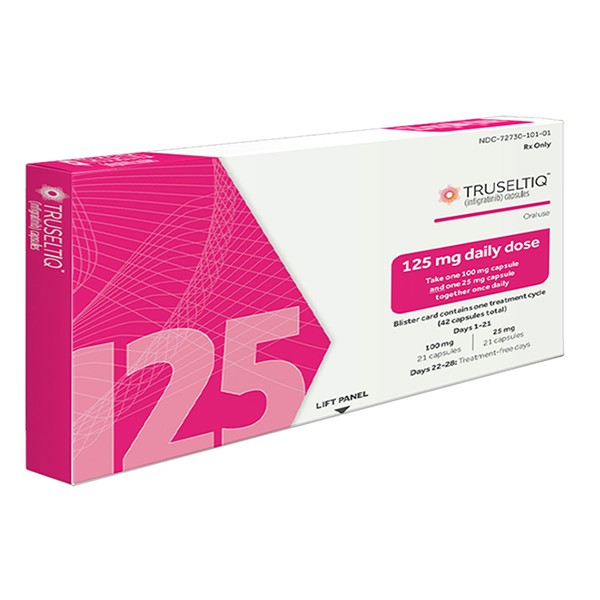
Infigratinib(Truseltiq)
Treatment of previously treated, unresectable locally advanced or metastatic...
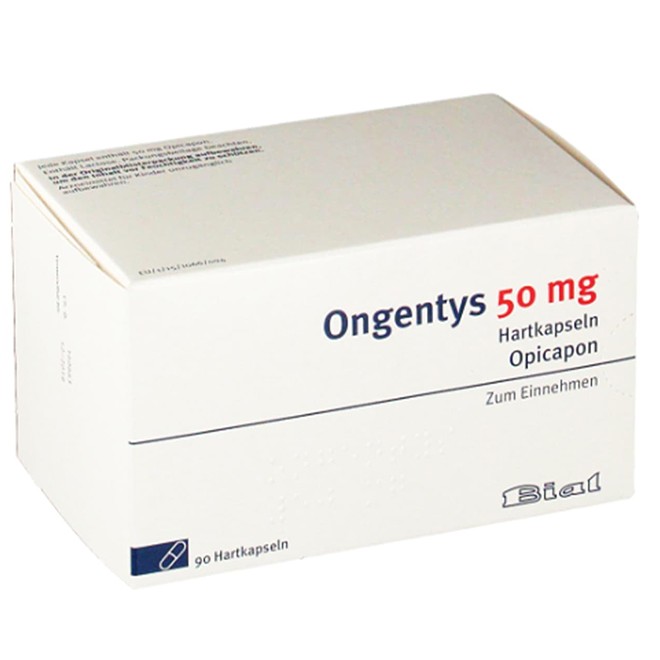
Opicapone(Ongentys)
Opicapone(Ongentys)
Adjunctive treatment to levodopa/carbidopa for reducing "off" episodes in...
Deflazacort(Emflaza)
Treatment of Duchenne muscular dystrophy (DMD) in patients aged 2 years and...
Faricimab-svoa(Vabysmo)
Treatment of neovascular age-related macular degeneration, diabetic macular...
Counselling Service
Global Drug Search
Clinical Research Recruitment
Overseas Medical Treatment
Remote Consultations
Note: Our medical consultant will contact you as soon as possible. We promise to strictly protect your privacy.
Submit
Business
  • Core products
  • Antitumor drugs
  • General drug
  • Antiviral drugs
  • Biological agents
Contact Us 
  • mailbox:info@lucius.la
Welcome to consult
ucius Pharmaceuticals (Lao) Co.,Ltd All rights reserved