info@seagull-health.com
SeagullHealth
语言:
search
new
Precautions for Seladelpar Administration
502
Article source: Seagull Pharmacy
Oct 09, 2025

Seladelpar is a peroxisome proliferator-activated receptor (PPAR)-δ agonist. It is indicated for combination therapy with ursodeoxycholic acid (UDCA) in adult patients who have an inadequate response to UDCA, or as monotherapy in patients who are intolerant to UDCA.

Precautions for Seladelpar Administration

Administration in Special Populations

Patients with renal impairment: No dose adjustment is required for patients with mild to severe renal impairment. However, data on patients with end-stage renal disease (ESRD) are limited, so cautious use is recommended.

Elderly patients: No dose adjustment is needed for patients aged 65 years and older. However, clinical experience with patients aged over 75 years is limited, and enhanced monitoring for adverse reactions is advised.

Pregnancy and lactation: Women of childbearing age should use effective contraceptive measures during treatment and for at least 5 months after the last dose. Lactating women should discontinue breastfeeding.

Dosage Regimen

The recommended dose is 10 mg of seladelpar capsules taken orally once daily, which can be administered with or without food.

The capsules are opaque hard gelatin capsules with a specification of 10 mg, featuring an opaque light gray body and an opaque dark blue cap.

Hepatic Dysfunction

Seladelpar may cause elevations in serum transaminases.

Baseline clinical and laboratory liver assessments should be obtained before treatment, and regular monitoring should be conducted during treatment.

If hepatic function deteriorates or clinical symptoms of hepatitis occur, consideration should be given to interrupting or permanently discontinuing treatment.

Drug Interactions

Special attention should be paid to interactions with OAT3 inhibitors, strong CYP2C9 inhibitors, rifampicin, dual moderate CYP2C9 and moderate-to-strong CYP3A4 inhibitors, BCRP inhibitors, and bile acid sequestrants.

Seladelpar and bile acid sequestrants should be administered at an interval of at least 4 hours.

Treatment Monitoring for Seladelpar

Routine Monitoring Items

Baseline assessment: Includes a comprehensive medical history, physical examination, liver function tests (ALT, AST, total bilirubin), thyroid function tests, renal function tests (creatinine, eGFR), and complete blood count.

Monitoring during treatment: Clinical symptoms and signs should be evaluated every 3–4 weeks, and liver function, renal function, and thyroid function should be rechecked regularly. Special attention should be paid to monitoring changes in ALP levels, as this is a key indicator for assessing therapeutic efficacy.

Adverse Reaction Monitoring

Common adverse reactions: Include headache (8%), abdominal pain (7%), nausea (6%), abdominal distension (6%), and dizziness (5%). Most are mild to moderate and usually do not require treatment discontinuation.

Laboratory abnormalities: Attention should be paid to eGFR decrease (10% of patients experience a decrease of ≥25%), hemoglobin reduction (37%), lymphopenia (32%), AST elevation (30%), ALT elevation (26%), and hyponatremia (24%).

Monitoring for serious adverse reactions: Be alert to immune-mediated adverse reactions such as pneumonia, colitis, hepatitis, endocrinopathies, nephritis, and myocarditis. Relevant symptoms should be promptly evaluated and managed.

Patient Education and Follow-Up

Inform patients to take the medication strictly as prescribed by the doctor and not to adjust the dose on their own. Emphasize the requirement for an interval when using seladelpar with bile acid sequestrants. Remind patients to report any new symptoms or worsening of existing symptoms.

Advise patients to maintain adequate fluid intake and pay attention to personal hygiene to reduce the risk of infection. Recommend regular self-examination for changes in the skin and mucous membranes.

For patients with poor CYP2C9 metabolism who are co-administered with moderate-to-strong CYP3A4 inhibitors, the frequency of adverse reaction monitoring should be increased.

Note: For internal discussion among medical personnel only. For specific medication, please consult the attending physician. Drug information may change over time. For the latest information, we recommend adding a medical consultant or consulting for free online.
Recommended Articles
What Are the Side Effects of Seladelpar?
Seladelpar is a peroxisome proliferator-activated receptor (PPAR)-δ agonist, primarily used for the treatment of adult patients with primary biliary cholangitis (PBC) who have an inadequate response t...
Indications for Losartan Potassium and Hydrochlorothiazide Tablets (Hyzaar)
Losartan Potassium and Hydrochlorothiazide Tablets (Hyzaar) is a compound antihypertensive medication composed of losartan potassium (an angiotensin II receptor blocker, ARB) and hydrochlorothiazide (...
How to Purchase Infigratinib
Infigratinib is a targeted medication used for the treatment of previously treated, unresectable locally advanced or metastatic cholangiocarcinoma. Its indication is limited to patients confirmed to h...
Precautions for Administration of Canagliflozin Hydrochloride (Canaglu)
Canagliflozin Hydrochloride (Canaglu) is a selective sodium-glucose cotransporter 2 (SGLT2) inhibitor, mainly used for the treatment of patients with type 2 diabetes mellitus and those with diabetes m...
How to Use Seladelpar
Seladelpar is a peroxisome proliferator-activated receptor (PPAR)-δ agonist, which was approved in the United States in 2024 for the treatment of primary biliary cholangitis (PBC).How to Use Seladelpa...
Indications for Seladelpar
Seladelpar is a new-type therapeutic drug for primary biliary cholangitis (PBC), which exerts its effects by activating peroxisome proliferator-activated receptor delta (PPARδ).Indications for Seladel...
How to Purchase Seladelpar
Seladelpar is a novel PPAR-δ agonist, indicated for the treatment of adult patients with primary biliary cholangitis (PBC) who have an inadequate response to ursodeoxycholic acid (UDCA) or cannot tole...
What Are the Side Effects of Opdualag?
Opdualag is a fixed-dose combination medication consisting of nivolumab and relatlimab-rmbw. It is indicated for the treatment of patients aged 12 years and older with unresectable or metastatic melan...
Related Articles
Dosage and Administration, Recommended Dosage of Capmatinib (Tabrecta)
Capmatinib (Tabrecta) is a highly selective MET inhibitor, offering a precision treatment option for patients with metastatic non-small cell lung cancer (NSCLC) harboring MET exon 14 skipping mutation...
What Are the Indications for Capmatinib (Tabrecta)?
Capmatinib (Tabrecta) is a targeted therapy medication that plays an important role in the treatment of non-small cell lung cancer associated with specific gene mutations. As a MET kinase inhibitor, i...
What Are the Purchase Channels for Capmatinib (Tabrecta)?
Capmatinib (Tabrecta) is a highly selective MET inhibitor that has demonstrated significant efficacy in patients with metastatic non-small cell lung cancer (NSCLC) harboring MET exon 14 skipping mutat...
Adverse Reactions of Ivosidenib (Tibsovo)
Ivosidenib (Tibsovo) is an isocitrate dehydrogenase 1 (IDH1) inhibitor, primarily indicated for the treatment of patients with acute myeloid leukemia, myelodysplastic syndromes, and cholangiocarcinoma...
What Are the Precautions for Using Ivosidenib (Tibsovo)?
Ivosidenib (Tibsovo) is a targeted therapy medication primarily indicated for the treatment of patients with malignant hematologic diseases harboring specific gene mutations.What Are the Precautions f...
Dosage and Administration, Recommended Dosage of Ivosidenib (Tibsovo)
Ivosidenib (Tibsovo) is a targeted isocitrate dehydrogenase 1 (IDH1) inhibitor that demonstrates significant value in the treatment of malignant tumors with specific gene mutations.Dosage and Administ...
What Are the Indications for Ivosidenib (Tibsovo)?
Ivosidenib (Tibsovo) is an oral isocitrate dehydrogenase-1 (IDH1) inhibitor indicated for patients with various malignant tumors harboring specific IDH1 gene mutations. By inhibiting the activity of m...
What Are the Purchase Channels for Ivosidenib (Tibsovo)?
Ivosidenib (Tibsovo) is an important targeted therapy drug against IDH1 mutations, demonstrating significant efficacy in diseases such as acute myeloid leukemia and cholangiocarcinoma. For patients in...
New Drugs
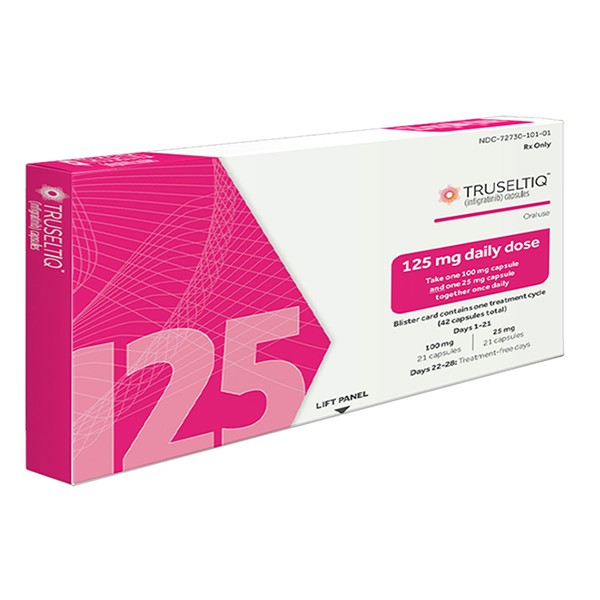
Infigratinib(Truseltiq)
Treatment of previously treated, unresectable locally advanced or metastatic...
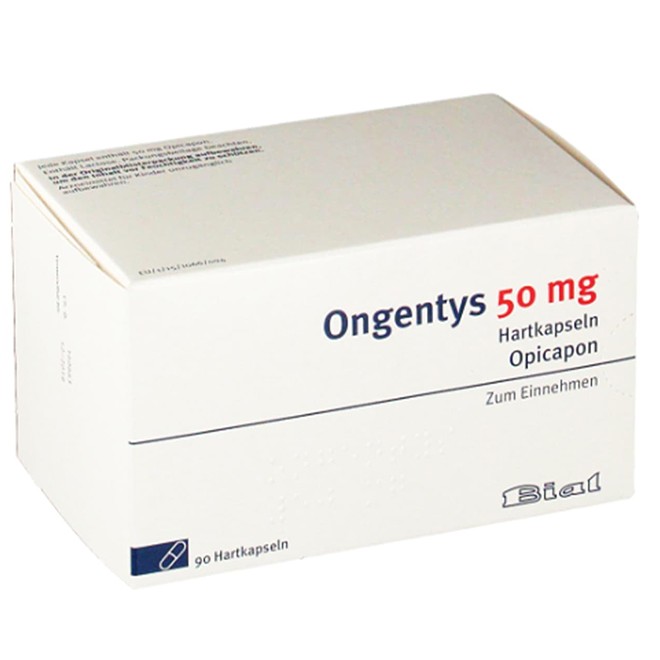
Opicapone(Ongentys)
Opicapone(Ongentys)
Adjunctive treatment to levodopa/carbidopa for reducing "off" episodes in...
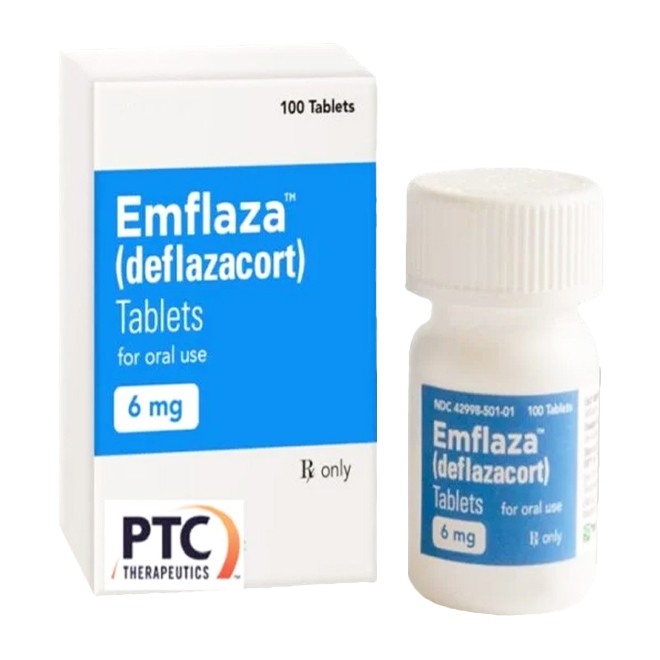
Deflazacort(Emflaza)
Treatment of Duchenne muscular dystrophy (DMD) in patients aged 2 years and...
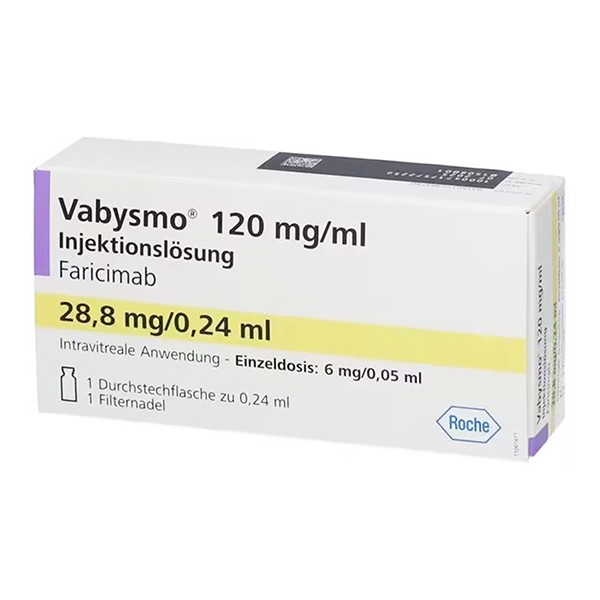
Faricimab-svoa(Vabysmo)
Treatment of neovascular age-related macular degeneration, diabetic macular...
Counselling Service
Global Drug Search
Clinical Research Recruitment
Overseas Medical Treatment
Remote Consultations
Note: Our medical consultant will contact you as soon as possible. We promise to strictly protect your privacy.
Submit
Business
  • Core products
  • Antitumor drugs
  • General drug
  • Antiviral drugs
  • Biological agents
Contact Us 
  • mailbox:info@lucius.la
Welcome to consult
ucius Pharmaceuticals (Lao) Co.,Ltd All rights reserved