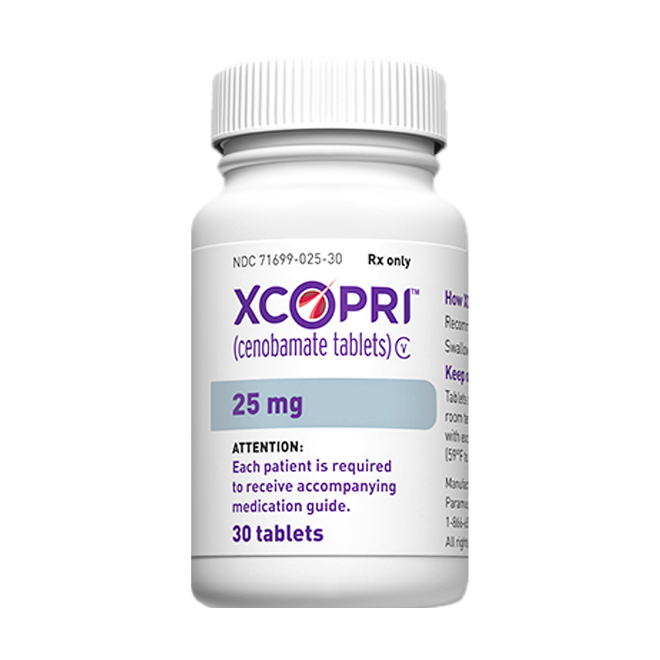
Trifluridine and Tipiracil Tablets (TrifluridineTipiracil) is a combined preparation of a nucleoside metabolism inhibitor and a thymidine phosphorylase inhibitor. It has been approved for the treatment of previously treated metastatic colorectal cancer (as monotherapy or in combination with bevacizumab) and metastatic gastric cancer/gastroesophageal junction adenocarcinoma. This drug inhibits tumor proliferation by interfering with DNA synthesis; however, in clinical application, focus should be placed on risks such as myelosuppression and gastrointestinal reactions.
Precautions for Administration of Trifluridine and Tipiracil Tablets (TrifluridineTipiracil)
Special Populations
Administration to pregnant women may cause embryonic toxicity, so strict contraception is required.
Lactating patients need to suspend breastfeeding during the medication period.
Standard Dosage
Adult patients: 35 mg/m² twice daily (maximum single dose of 80 mg).
Administration cycle: Administer on Days 1-5 and Days 8-12 of each 28-day cycle, taken after meals.
Special Adjustments
Renal Impairment: For patients with severe renal impairment, the initial dose is 20 mg/m² twice daily; if the dose is not tolerated, it can be further reduced to 15 mg/m².
Hematological Toxicity:
When febrile neutropenia or Grade 4 neutropenia occurs, the dose needs to be reduced by 5 mg/m².
If platelets are < 50,000/mm³ or Grade 3-4 non-hematological toxicity occurs, medication administration must be suspended.
Administration Instructions
Swallow the tablets whole; chewing or crushing is not allowed.
If a dose is missed or vomiting occurs after administration, there is no need to make up the dose; continue medication according to the original schedule.
Myelosuppression (Incidence Rate: 38%)
Monitoring Requirements: Conduct a complete blood cell count test on Day 1 and Day 15 of each cycle.
Intervention Measures: Delay the treatment cycle if neutrophils are < 1,500/mm³ or platelets are < 75,000/mm³.
Gastrointestinal Reactions
Symptom Spectrum: Nausea (48%), diarrhea (32%), vomiting (28%), abdominal pain (21%).
Management Strategy: For diarrhea of Grade 3 or above, antidiarrheal drugs must be used for intervention.
Medication Monitoring of Trifluridine and Tipiracil Tablets (TrifluridineTipiracil)
Laboratory Monitoring Matrix
Basic Hematology: Dynamic monitoring of neutrophils, hemoglobin, and platelets.
Biochemical Indicators: Liver function, renal function, and electrolytes (incidence rate of hyponatremia: 25%).
Inflammatory Markers: Regular assessment of indicators such as C-reactive protein.
Clinical Manifestation Tracking
Tumor Markers: Evaluate specific markers such as CEA every 2-3 cycles.
Symptom Burden: Use standardized scales to record the severity of fatigue, pain, and decreased appetite.
Elderly Patients (≥ 65 Years Old)
The frequency of blood routine testing needs to be increased (weekly testing is recommended).
Pay attention to weight changes (10% of patients experience a 5-10% weight loss).