info@seagull-health.com
SeagullHealth
语言:
search
new
Dosage and Administration, Recommended Dose of Cevimeline (Saligren)
502
Article source: Seagull Pharmacy
Jan 29, 2026

Cevimeline (Saligren) is a medication used to relieve xerostomia in patients with Sjögren's syndrome. As a cholinergic agonist, it promotes salivary secretion by stimulating the M-type muscarinic receptors of the salivary glands.

Dosage and Administration, Recommended Dose of Cevimeline (Saligren)

Recommended Dose and Dosing Regimen

The standard adult treatment regimen for cevimeline is: 30 mg (calculated as cevimeline hydrochloride) orally three times a day, preferably taken after meals.

Administration Method

This product is a hard capsule formulation and must be swallowed whole; it should not be opened or chewed.

For the medication packaged in PTP (press-through pack) blisters, patients must be instructed to remove the capsule from the aluminum foil blister before taking it, to avoid accidental ingestion of the entire PTP blister which may cause severe complications such as esophageal mucosal injury or even perforation.

Dose Adjustment of Cevimeline (Saligren)

Adjustment Based on Adverse Reactions

If a patient experiences intolerable adverse reactions during treatment, especially common gastrointestinal reactions (e.g., nausea, abdominal pain, diarrhea) or adverse reactions involving other systems.

The primary measure is to assess the necessity of continued medication use, rather than simply reducing the dose.

In most cases, if adverse reactions are significant, discontinuation of the medication should be considered and managed under the guidance of a physician.

Effect of Co-administration with Food

Studies have shown that taking the medication after meals significantly delays the time to reach the peak plasma drug concentration compared with fasting administration, but has little effect on the overall extent of absorption (AUC).

Administration after meals is recommended to reduce gastrointestinal irritation and potentially improve tolerability.

Use in Special Populations of Cevimeline (Saligren)

Patients with Hepatic Impairment

The liver is the main site of cevimeline metabolism (primarily via CYP2D6 and CYP3A4 enzymes).

Hepatic impairment may slow down drug metabolism, leading to a sustained increase in plasma drug concentration and thus an elevated incidence of adverse reactions.

This medication should be used with caution in such patients, with enhanced monitoring.

Patients with Renal Impairment

The drug and its metabolites are mainly excreted via the kidneys.

Decreased renal function may cause drug accumulation in the body, which also increases plasma drug concentration and the risk of adverse reactions.

Caution is also required when using this medication in patients with renal impairment.

Geriatric Patients

Geriatric patients are often accompanied by age-related physiological decline in hepatic and renal function to varying degrees, with reduced drug clearance capacity, which may result in higher plasma drug concentrations and a longer duration of action.

Close monitoring for adverse reactions is required in geriatric patients.

Pregnant and Lactating Women

Pregnant women: This medication may be used only if the therapeutic benefit to the mother is judged to outweigh the potential risk to the fetus. Effects on fetal body weight have been observed in animal studies (rats).

Lactating women: The drug is excreted in rat milk, and whether it is excreted in human milk is unclear. The necessity of drug treatment should be weighed against the benefits of breastfeeding, and a careful decision should be made whether to continue breastfeeding or suspend medication.

Note: For internal discussion among medical personnel only. For specific medication, please consult the attending physician. Drug information may change over time. For the latest information, we recommend adding a medical consultant or consulting for free online.
Recommended Articles
What are the indications for Cevimeline (Saligren)?
Cevimeline (Saligren) is an oral dryness-relieving medication approved in Japan for specific patient populations. It is particularly indicated for patients with Sjögren's syndrome, who experience ...
What are the purchase channels for Cevimeline (Saligren)?
Cevimeline (Saligren) is a medication used to relieve xerostomia (dry mouth) in patients with Sjögren's syndrome. For patients who need long-term treatment with this drug, understanding the legiti...
Dosage and Administration of Futibatinib
Futibatinib is a kinase inhibitor indicated for the treatment of adult patients with previously treated, unresectable, locally advanced or metastatic intrahepatic cholangiocarcinoma who harbor fibrobl...
What are the Indications of Futibatinib?
Futibatinib is an oral kinase inhibitor that was first approved for marketing in the United States in 2022. As a targeted therapy, it is mainly indicated for the treatment of advanced cholangiocarcino...
What are the Precautions for Cevimeline (Saligren) Administration?
Cevimeline (Saligren) is a medication used to alleviate xerostomia in patients with Sjögren's syndrome. As a cholinergic agonist, it promotes salivary secretion by stimulating the M-type muscarini...
Adverse Reactions of Cevimeline (Saligren)
Cevimeline (Saligren) is a prescription medication indicated for relieving xerostomia in patients with Sjögren's syndrome. It alleviates dry mouth discomfort by stimulating the M-type muscarinic r...
What Are the Purchase Channels for Cabergoline?
Cabergoline is a dopamine receptor agonist primarily indicated for the treatment of hyperprolactinemia and associated disorders. As a prescription medication, its purchase and administration must be s...
What are the indications for Cabergoline?
Cabergoline is a dopamine receptor agonist belonging to the class of ergot derivatives. First approved for medical use in the United States in 1996, it is primarily indicated for the treatment of spec...
Related Articles
Dosage and Administration, Precautions, and Healthy Lifestyle for Cenobamate
Cenobamate is a novel once-daily oral antiepileptic drug. Correct dosage and administration, strict adherence to precautions, and a healthy lifestyle are critical to ensuring its efficacy and safety.I...
Side Effects of Cenobamate and Management Strategies
Cenobamate is an effective novel antiepileptic drug, but it is associated with a range of side effects.I. Side Effects of Cenobamate1. Most Common Side Effects (Incidence ≥10% and higher than placebo)...
Safinamide (Xadago): Domestic Launch and Purchase Guide in China
As an adjunctive treatment for Parkinson’s disease, the accessibility of safinamide in China is a major concern for patients.I. Domestic Launch Status1. Not Yet Launched in Chinese Mainland(1) As of A...
Analysis of the Therapeutic Value and Accessibility of Safinamide (Xadago)
As an adjunctive treatment for "off" episodes in Parkinson’s disease, safinamide’s clinical efficacy, medical insurance coverage, and pricing are common concerns for patients and their famil...
Dosage and Administration, Precautions, and Healthy Living Guidelines for Anagrelide (Agrylin)
Anagrelide is a prescription platelet-lowering medication that must be used precisely under the guidance of a physician.I. Dosage and Administration1. Adult Starting Dose(1) The recommended starting d...
Anagrelide (Agrylin): Side Effects, Management Strategies and Storage Guidelines
Anagrelide is a platelet-lowering agent with well-established efficacy, yet it is associated with a variety of adverse reactions.I. Common Side Effects1. Adverse Reactions with an Incidence Rate ≥ 5%T...
Drug Overview and Administration Guidance for Topiroxostat
Topiroxostat is a non-purine selective xanthine oxidase inhibitor indicated for the treatment of gout and hyperuricemia.I. Pharmaceutical Properties and Mechanism of Action1. Active Ingredient and Dos...
Key Clinical Application Guidelines for Topiroxostat
Topiroxostat is a non-purine selective xanthine oxidase inhibitor that exerts a uric acid-lowering effect by inhibiting uric acid production.I. Indications and Target Population1. Approved Indications...
New Drugs
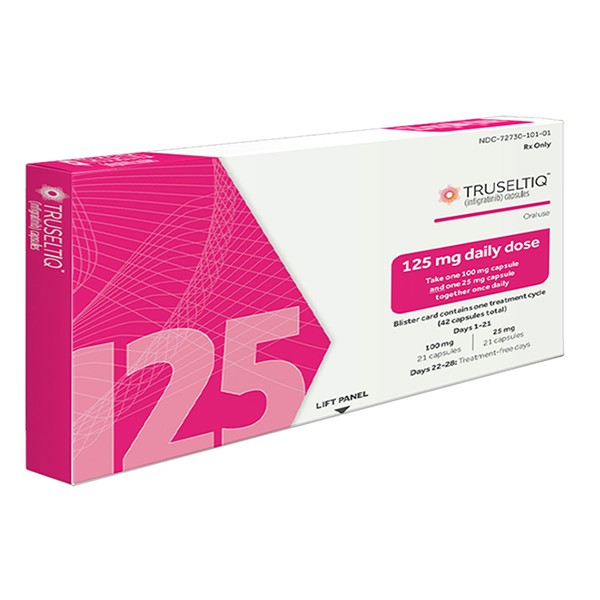
Infigratinib(Truseltiq)
Treatment of previously treated, unresectable locally advanced or metastatic...
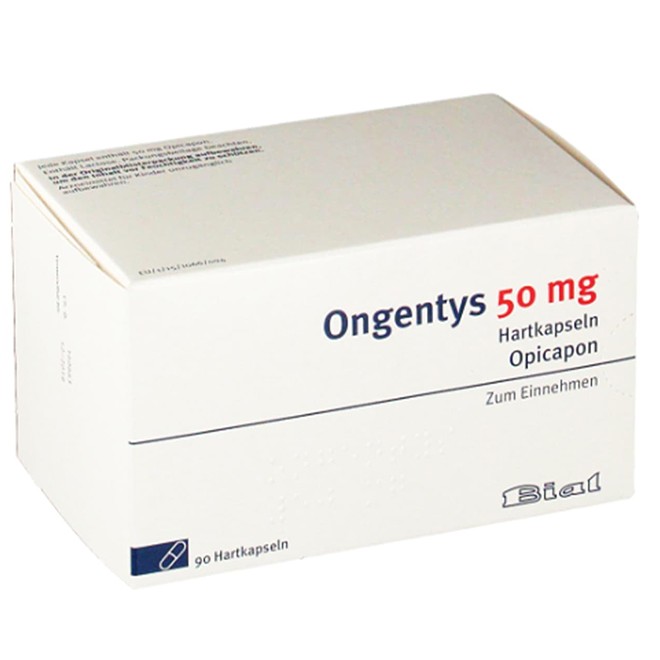
Opicapone(Ongentys)
Opicapone(Ongentys)
Adjunctive treatment to levodopa/carbidopa for reducing "off" episodes in...
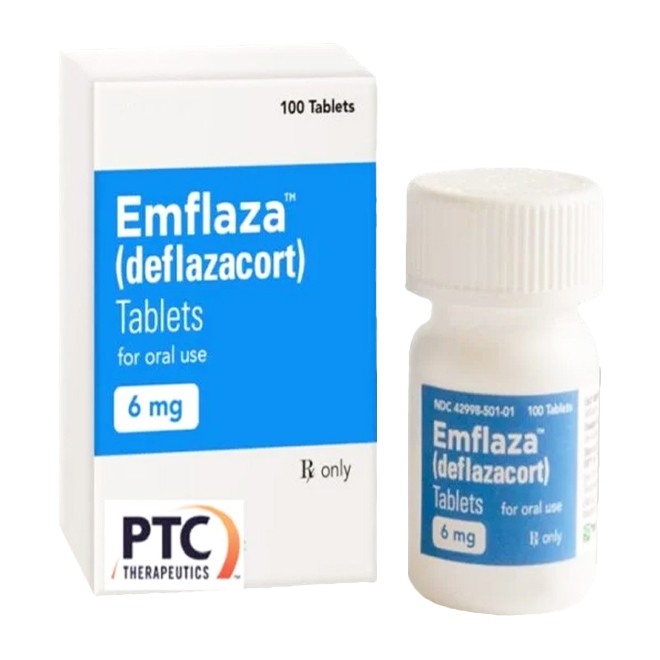
Deflazacort(Emflaza)
Treatment of Duchenne muscular dystrophy (DMD) in patients aged 2 years and...
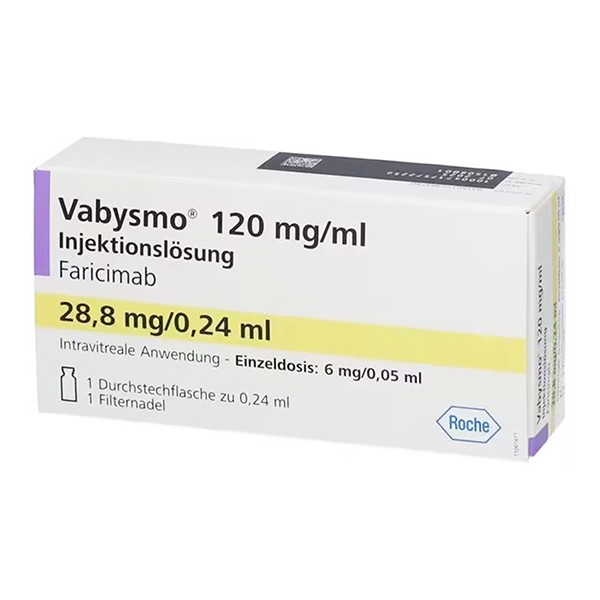
Faricimab-svoa(Vabysmo)
Treatment of neovascular age-related macular degeneration, diabetic macular...
Counselling Service
Global Drug Search
Clinical Research Recruitment
Overseas Medical Treatment
Remote Consultations
Note: Our medical consultant will contact you as soon as possible. We promise to strictly protect your privacy.
Submit
Business
  • Core products
  • Antitumor drugs
  • General drug
  • Antiviral drugs
  • Biological agents
Contact Us 
  • haiousales@gmail.com
Welcome to consult
Seagull Pharmacy.,Ltd All rights reserved