info@seagull-health.com
SeagullHealth
语言:
search
new
Indications and Precautions for Use of Cecleclidine Eye Drops (Vizz)
502
Article source: Seagull Pharmacy
Jul 07, 2026

Aceclidine ophthalmic solution offers a pharmacological option for improving near vision in adults with presbyopia, but clarifying its indications and key precautions before and after administration is essential for safe and effective use.

I. Clear Indications

1. Target Population: Adult Patients with Presbyopia

(1) Aceclidine ophthalmic solution is approved for the treatment of presbyopia in adults.

(2) Presbyopia results from the age‑related decline in crystalline lens accommodation, typically beginning after age 40 with difficulty in near reading.

(3) This product improves uncorrected or corrected near vision by inducing miosis, which creates a “pinhole effect” that increases depth of field. It does not replace reading glasses but serves as an adjunctive, on‑demand daytime option.

2. Scope Includes Refractive Status

Simple presbyopia within the refractive range can be considered for use, provided the above refractive conditions are met.

3. Not for Use in Children or Adolescents

Since presbyopia is not a physiological phenomenon in this age group, this product has no paediatric indication. If individuals under 18 years present with similar visual complaints, refractive errors, accommodative spasm, or organic ocular diseases should be investigated; this medication should not be used.

II. Key Pre‑treatment Assessment and Preparation

1. Mandatory Comprehensive Ophthalmic Baseline Examination

A thorough eye examination by an ophthalmologist is required before use. This evaluation helps identify potential risk factors and provides a basis for treatment decisions.

2. History Taking and Allergy Inquiry

(1) The physician should carefully inquire about: ① history of iritis (anterior uveitis); ② history of retinal detachment, diabetic retinopathy, or maculopathy; ③ history of allergy to miotics, aceclidine, or any excipient of this product.

(2) In the presence of any of these conditions, the benefit‑risk ratio must be carefully assessed.

3. Pre‑operation for Contact Lens Wearers

(1) For those who habitually wear soft or rigid contact lenses, it should be clearly stated: remove the lenses before instillation, and wait at least 10 minutes after instillation before reinserting them.

(2) It is advisable to complete the instillation in the morning, allowing sufficient time for the solution to be absorbed before wearing the lenses, so as to avoid the viscous matrix affecting lens cleanliness and comfort.

III. Core Precautions During Administration

1. Strictly Follow the Two‑Drop, Two‑Step Method

(1) Instil one drop into each eye, wait 2 minutes, then instil the second drop.

(2) This interval reduces drug loss due to tear washout, ensuring that the active ingredient adequately contacts the iris sphincter.

(3) Do not instil the two drops consecutively without pause; otherwise, the first drop will be washed away by the second before it can adhere, compromising efficacy.

2. Visual Changes After Administration and How to Manage Them

(1) Transient dimming of vision or difficulty in switching focus between near and far may occur after instillation.

(2) This is due to miosis reducing the amount of light entering the eye, and the accommodative system needing time to readjust.

(3) During this period: ① avoid driving or operating precision machinery until vision is clear; ② exercise extra caution when going out at night or in low‑light conditions, and consider wearing light‑tinted sunglasses to reduce glare; ③ if prolonged reading is needed, supplement with additional lighting.

3. Watch for Sudden Visual Symptoms

(1) If during use you suddenly experience flashes of light, a sudden increase in floaters (many more than usual), visual field defects, or a “curtain”‑like shadow, seek immediate ophthalmic emergency care.

(2) These may be prodromal signs of retinal tears or detachment; although rare, early intervention is crucial for visual function preservation.

(3) Do not wait for a routine follow‑up or self‑observation.

4. Interval Requirements with Other Ophthalmic Drugs

(1) If using artificial tears, anti‑glaucoma, or anti‑allergy eye drops concurrently, allow at least 5 minutes between instillations.

(2) It is recommended to instil the more irritating or deeply penetrating drug (e.g., this product) first, followed by lubricating formulations.

(3) Insufficient intervals may cause dilution of the drugs and impair their respective efficacy.

Note: For internal discussion among medical personnel only. For specific medication, please consult the attending physician. Drug information may change over time. For the latest information, we recommend adding a medical consultant or consulting for free online.
Recommended Articles
Contraindications and Use in Special Populations of Zaynich (Cefepime and Zidebactam)
Clarifying the contraindications and special population considerations for Zaynich is essential to avoid serious risks and ensure individualized treatment safety.I. Absolute Contraindications1. Contra...
Indications and Precautions for Zaynich (Cefepime and Zidebactam)
Zaynich is a novel intravenous compound antibacterial agent. Precisely grasping its indications and key precautions during administration is the core of ensuring efficacy and safety. Rational use not ...
Indications and Precautions for Loargys (Pegzilarginase)
Loargys is an enzyme replacement therapy for arginase 1 deficiency (ARG1-D). Understanding its indication scope and the full-process precautions for medication is the foundation for safe and effective...
Storage of Loargys (Pegzilarginase)
Loargys, as a protein-based enzyme replacement therapy, has strict storage requirements. Proper storage and handling directly affect the stability and efficacy of the drug, and are also critical to en...
Storage of Cecleclidine Eye Drops (Vizz)
Proper storage is the key to maintaining the efficacy and sterility of Vizz. The following explains three aspects: refrigeration guidelines, management after removal from the cold chain, and packaging...
Indications and Precautions for Use of Meloxicam Injection
Meloxicam injection is a nonsteroidal anti-inflammatory drug (NSAID) indicated for the management of moderate to severe pain in adults. Understanding its indications and the key precautions throughout...
Dosage and Administration of Inclisiran Sodium Injection
The dosage and administration of inclisiran sodium injection are based on a fixed dosing schedule and strict subcutaneous injection operation specifications.Recommended DoseFor adult and pediatric pat...
Dosage and Administration of Epoetin alfa
The dosage and administration of epoetin alfa must be individualized, based on the indication, patient age, and treatment response. The core goal is to maintain hemoglobin levels at the lowest effecti...
Related Articles
Drug Precautions for Tebipenem Pivoxil (Utebzi)
Tebipenem pivoxil (Utebzi) is an oral antibiotic used to treat specific complicated urinary tract infections.I. Correct Administration and Dose Management1. Take strictly on time and at the prescribed...
Dosage and Administration of Epoetin alfa
The dosage and administration of epoetin alfa must be individualized, based on the indication, patient age, and treatment response. The core goal is to maintain hemoglobin levels at the lowest effecti...
Dosage and Administration of Inclisiran Sodium Injection
The dosage and administration of inclisiran sodium injection are based on a fixed dosing schedule and strict subcutaneous injection operation specifications.Recommended DoseFor adult and pediatric pat...
Indications and Precautions for Use of Meloxicam Injection
Meloxicam injection is a nonsteroidal anti-inflammatory drug (NSAID) indicated for the management of moderate to severe pain in adults. Understanding its indications and the key precautions throughout...
Storage of Cecleclidine Eye Drops (Vizz)
Proper storage is the key to maintaining the efficacy and sterility of Vizz. The following explains three aspects: refrigeration guidelines, management after removal from the cold chain, and packaging...
Indications and Precautions for Use of Cecleclidine Eye Drops (Vizz)
Aceclidine ophthalmic solution offers a pharmacological option for improving near vision in adults with presbyopia, but clarifying its indications and key precautions before and after administration i...
Contraindications and Use in Special Populations of Zaynich (Cefepime and Zidebactam)
Clarifying the contraindications and special population considerations for Zaynich is essential to avoid serious risks and ensure individualized treatment safety.I. Absolute Contraindications1. Contra...
Indications and Precautions for Zaynich (Cefepime and Zidebactam)
Zaynich is a novel intravenous compound antibacterial agent. Precisely grasping its indications and key precautions during administration is the core of ensuring efficacy and safety. Rational use not ...
New Drugs
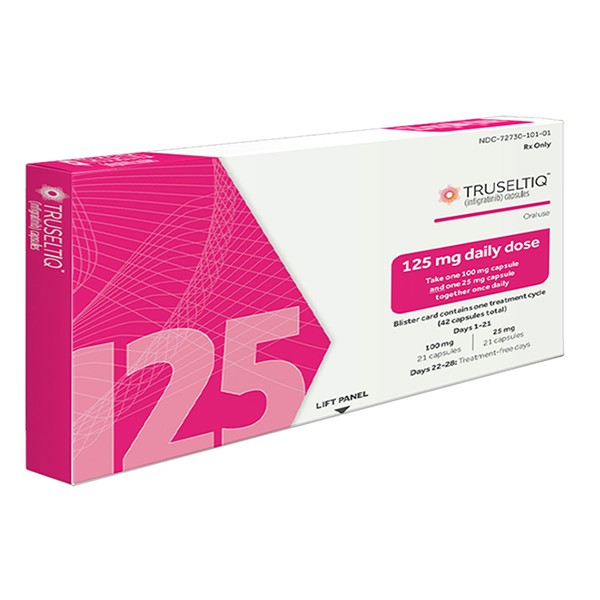
Infigratinib(Truseltiq)
Treatment of previously treated, unresectable locally advanced or metastatic...
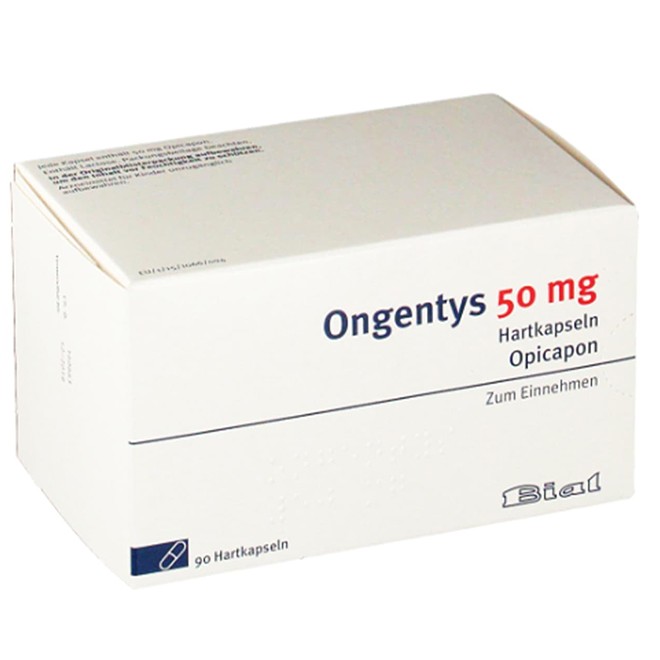
Opicapone(Ongentys)
Opicapone(Ongentys)
Adjunctive treatment to levodopa/carbidopa for reducing "off" episodes in...
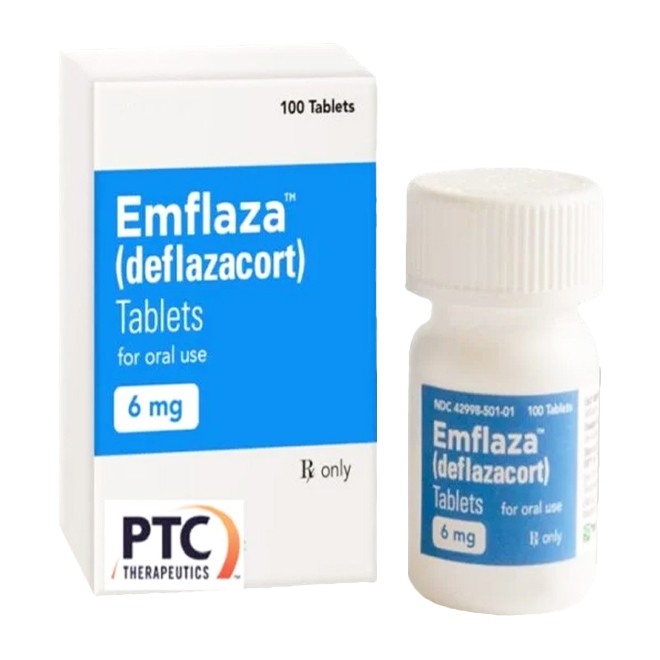
Deflazacort(Emflaza)
Treatment of Duchenne muscular dystrophy (DMD) in patients aged 2 years and...
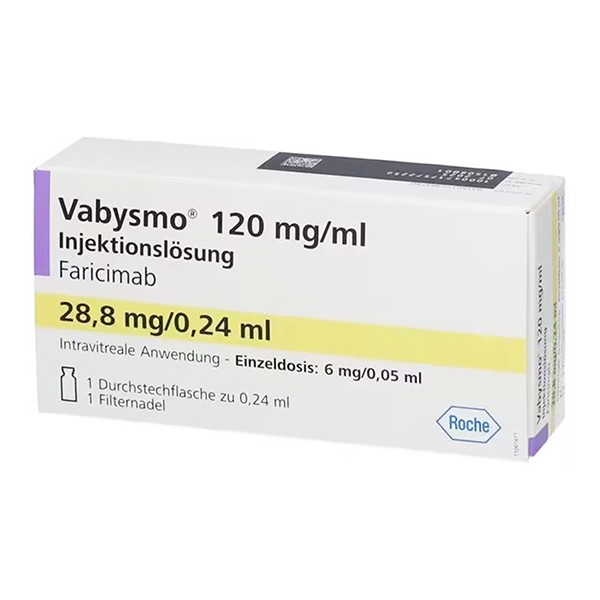
Faricimab-svoa(Vabysmo)
Treatment of neovascular age-related macular degeneration, diabetic macular...
Counselling Service
Global Drug Search
Clinical Research Recruitment
Overseas Medical Treatment
Remote Consultations
Note: Our medical consultant will contact you as soon as possible. We promise to strictly protect your privacy.
Submit
Business
  • Core products
  • Antitumor drugs
  • General drug
  • Antiviral drugs
  • Biological agents
Contact Us 
  • haiousales@gmail.com
Welcome to consult
Seagull Pharmacy.,Ltd All rights reserved