info@seagull-health.com
SeagullHealth
语言:
search
new
Storage of Loargys (Pegzilarginase)
505
Article source: Seagull Pharmacy
Jul 03, 2026

Loargys, as a protein-based enzyme replacement therapy, has strict storage requirements. Proper storage and handling directly affect the stability and efficacy of the drug, and are also critical to ensuring medication safety.

I. Storage Requirements for Unopened Vials

1. Refrigerated Temperature Range

(1) Unopened vials must be stored in a refrigerated environment at 2°C to 8°C.

(2) This temperature range is essential for maintaining drug activity; exceeding this range may lead to protein degradation or aggregation, compromising efficacy.

2. Store in Original Carton to Protect from Light

(1) Vials should always be kept in the original carton to protect from direct light exposure.

(2) Light exposure may accelerate oxidation and degradation of the protein components in the drug; the original carton provides light-shielding protection.

3. Do Not Freeze

(1) Freezing of Loargys is strictly prohibited.

(2) Freezing causes irreversible changes to the protein structure. After thawing, the drug not only loses activity but may also develop particulates or aggregates, and must not be used.

4. Do Not Shake

(1) Avoid vigorous shaking of the vial during storage and handling.

(2) Protein drugs are sensitive to mechanical stress; excessive shaking may cause protein aggregation, affecting solution appearance and biological activity.

II. Storage Duration After Preparation

1. Storage of Diluted Solution for Intravenous Administration

(1) After diluting Loargys with 0.9% sodium chloride injection, the solution in the intravenous infusion bag should be used as soon as possible.

(2) If immediate use is not possible, it may be stored temporarily under the following conditions:

(2.1) At room temperature (20°C to 25°C) for no more than 2 hours, or under refrigeration (2°C to 8°C) for no more than 4 hours.

(2.2) Beyond these time limits, the solution must be discarded and not used.

(3) This time frame includes the duration of the intravenous infusion itself, i.e., the total time from preparation to completion of infusion must not exceed the respective limit.

2. Storage of Undiluted Solution for Subcutaneous Administration

(1) Undiluted original solution drawn into a syringe should also be injected as soon as possible.

(2) If temporary storage is necessary, the time limits are the same as for diluted solution: no more than 2 hours at room temperature, or no more than 4 hours under refrigeration.

(3) The original solution for subcutaneous injection must not be diluted; after drawing, if not used within the specified time, it must be discarded.

III. Routine Handling Precautions and Withdrawal Guidelines

1. Allow to Reach Room Temperature Before Withdrawal

(1) After removing the vial from the refrigerator, allow it to reach room temperature before preparing or withdrawing the dose.

(2) Withdrawing or diluting when the solution is too cold may affect the accuracy of operation and mixing uniformity.

(3) Use as soon as possible after removal; do not leave at room temperature for extended periods.

2. Visual Inspection Before Administration

(1) Before each use, carefully inspect the solution appearance. Normal Loargys should be a clear to slightly opalescent, colorless to slightly yellow or slightly pink solution.

(2) If any of the following conditions are observed, do not use and discard:

(2.1) Visible particulates or precipitate.

(2.2) Color markedly outside the normal range.

(2.3) Turbidity or stratification.

3. Single-Dose Vial – Discard After Use

(1) Loargys is supplied as a single-dose vial without preservatives.

(2) After withdrawing the required dose, any remaining solution in the vial must be discarded and not kept for subsequent administration.

(3) Each vial is for one-time use only.

4. Disposal of Unused Solution

Unused solution generated during preparation or withdrawal, solution that has exceeded the storage time limits, and solution that fails visual inspection must all be disposed of in accordance with the healthcare facility's biological hazardous waste management protocols; do not pour down the drain.

Note: For internal discussion among medical personnel only. For specific medication, please consult the attending physician. Drug information may change over time. For the latest information, we recommend adding a medical consultant or consulting for free online.
Recommended Articles
Dosage and Administration of Bulevirtide (Hepcludex)
Mastering the correct usage and dosage of bulevirtide is fundamental to ensuring antiviral efficacy and medication safety. Patients must strictly adhere to the standard dose, follow standardized proce...
Drug Interactions of Meloxicam Injection
Meloxicam has clinically significant interactions with multiple drugs, primarily increasing risks of bleeding, renal injury, and attenuated antihypertensive effects. Close monitoring is required durin...
Contraindications and Special Populations of Zoliflodacin
Correctly identifying contraindications and adjusting medication strategies based on different physiological states are key to ensuring the safe use of Zoliflodacin.I. Absolute Contraindications1. Hyp...
Indications and Precautions for Zoliflodacin
Zoliflodacin is a novel oral antibacterial agent, with its indications precisely focused on specific types of infections.I. Indication Scope1. Applicable Infection Types(1) Zoliflodacin is approved fo...
Indications and Precautions for Loargys (Pegzilarginase)
Loargys is an enzyme replacement therapy for arginase 1 deficiency (ARG1-D). Understanding its indication scope and the full-process precautions for medication is the foundation for safe and effective...
Indications and Precautions for Zaynich (Cefepime and Zidebactam)
Zaynich is a novel intravenous compound antibacterial agent. Precisely grasping its indications and key precautions during administration is the core of ensuring efficacy and safety. Rational use not ...
Contraindications and Use in Special Populations of Zaynich (Cefepime and Zidebactam)
Clarifying the contraindications and special population considerations for Zaynich is essential to avoid serious risks and ensure individualized treatment safety.I. Absolute Contraindications1. Contra...
Indications and Precautions for Use of Cecleclidine Eye Drops (Vizz)
Aceclidine ophthalmic solution offers a pharmacological option for improving near vision in adults with presbyopia, but clarifying its indications and key precautions before and after administration i...
Related Articles
Drug Precautions for Tebipenem Pivoxil (Utebzi)
Tebipenem pivoxil (Utebzi) is an oral antibiotic used to treat specific complicated urinary tract infections.I. Correct Administration and Dose Management1. Take strictly on time and at the prescribed...
Dosage and Administration of Epoetin alfa
The dosage and administration of epoetin alfa must be individualized, based on the indication, patient age, and treatment response. The core goal is to maintain hemoglobin levels at the lowest effecti...
Dosage and Administration of Inclisiran Sodium Injection
The dosage and administration of inclisiran sodium injection are based on a fixed dosing schedule and strict subcutaneous injection operation specifications.Recommended DoseFor adult and pediatric pat...
Indications and Precautions for Use of Meloxicam Injection
Meloxicam injection is a nonsteroidal anti-inflammatory drug (NSAID) indicated for the management of moderate to severe pain in adults. Understanding its indications and the key precautions throughout...
Storage of Cecleclidine Eye Drops (Vizz)
Proper storage is the key to maintaining the efficacy and sterility of Vizz. The following explains three aspects: refrigeration guidelines, management after removal from the cold chain, and packaging...
Indications and Precautions for Use of Cecleclidine Eye Drops (Vizz)
Aceclidine ophthalmic solution offers a pharmacological option for improving near vision in adults with presbyopia, but clarifying its indications and key precautions before and after administration i...
Contraindications and Use in Special Populations of Zaynich (Cefepime and Zidebactam)
Clarifying the contraindications and special population considerations for Zaynich is essential to avoid serious risks and ensure individualized treatment safety.I. Absolute Contraindications1. Contra...
Indications and Precautions for Zaynich (Cefepime and Zidebactam)
Zaynich is a novel intravenous compound antibacterial agent. Precisely grasping its indications and key precautions during administration is the core of ensuring efficacy and safety. Rational use not ...
New Drugs
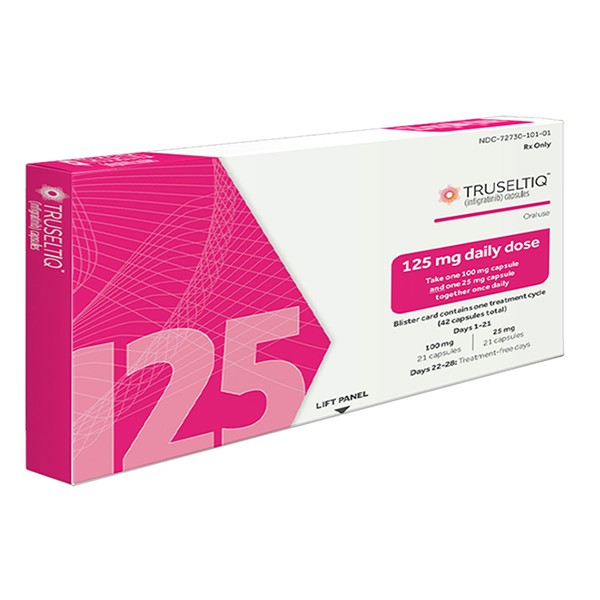
Infigratinib(Truseltiq)
Treatment of previously treated, unresectable locally advanced or metastatic...
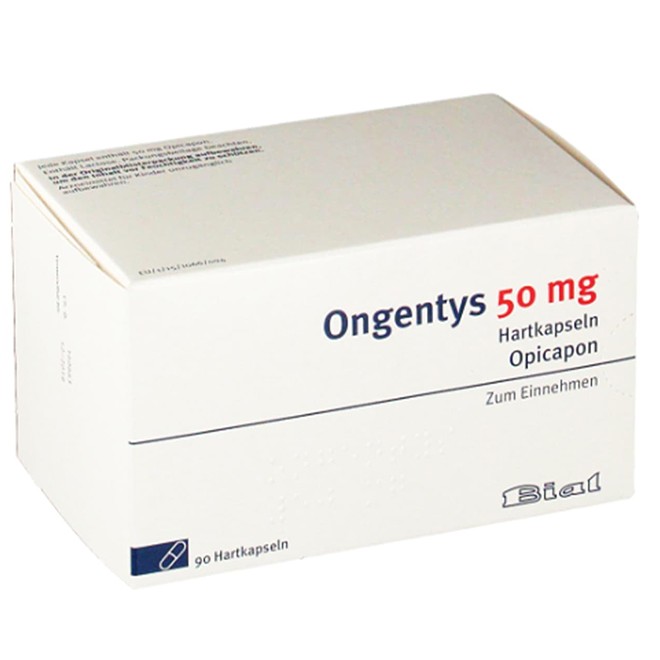
Opicapone(Ongentys)
Opicapone(Ongentys)
Adjunctive treatment to levodopa/carbidopa for reducing "off" episodes in...
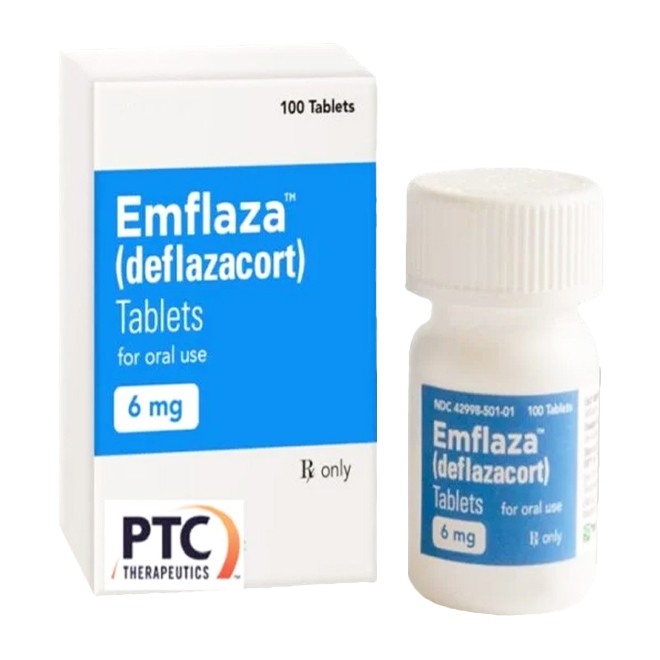
Deflazacort(Emflaza)
Treatment of Duchenne muscular dystrophy (DMD) in patients aged 2 years and...
Faricimab-svoa(Vabysmo)
Treatment of neovascular age-related macular degeneration, diabetic macular...
Counselling Service
Global Drug Search
Clinical Research Recruitment
Overseas Medical Treatment
Remote Consultations
Note: Our medical consultant will contact you as soon as possible. We promise to strictly protect your privacy.
Submit
Business
  • Core products
  • Antitumor drugs
  • General drug
  • Antiviral drugs
  • Biological agents
Contact Us 
  • haiousales@gmail.com
Welcome to consult
Seagull Pharmacy.,Ltd All rights reserved