info@seagull-health.com
SeagullHealth
语言:
search
new
Common Adverse Reactions and Clinical Manifestations
511
Article source: Seagull Pharmacy
Feb 03, 2026

Entrectinib (Rozlytrek) is a targeted drug indicated for the treatment of tumors with specific gene mutations.

Common Adverse Reactions and Clinical Manifestations

1. Systemic Reactions

(1) Fatigue is one of the most common adverse reactions, affecting nearly half of patients.

(2) In addition, edema, fever and weight gain are also frequently reported.

2. Gastrointestinal Reactions

Many patients experience constipation, diarrhea, nausea, vomiting and abdominal pain. Taste alterations (dysgeusia) are also commonly reported.

3. Neurological Effects

Adverse reactions include dizziness, paresthesia (e.g., tingling or numbness), cognitive impairment (e.g., memory loss, inattention, confusion), mood disorders (e.g., anxiety, depression) and sleep disturbances (insomnia or somnolence).

4. Musculoskeletal Disorders

(1) Patients may experience myalgia, arthralgia, muscle weakness and limb pain.

(2) Special attention should be paid to the increased risk of fractures associated with this drug, which is particularly prominent in pediatric patients.

5. Effects on Other Systems

(1) Ocular: Blurred vision, photophobia, diplopia, floaters and other symptoms may occur.

(2) Cardiac: May lead to congestive heart failure and QT interval prolongation.

(3) Metabolic: May induce hyperuricemia.

(4) Hepatic: May cause elevated transaminase levels and hepatic injury.

Strategies for Alleviation and Management of Adverse Reactions

1. Routine Supportive Care

(1) For fatigue, rational scheduling of rest and activity is recommended.

(2) Nausea and vomiting can be relieved by dietary adjustments (small and frequent meals, avoidance of greasy foods) or the use of prescription antiemetics.

(3) For constipation, increase dietary fiber intake and water consumption; mild laxatives may be used if necessary.

(4) For diarrhea, attention should be paid to fluid and electrolyte replacement.

2. Medical Interventions for Specific Adverse Reactions

(1) Hepatic function monitoring: If signs of hepatic injury appear, physicians will adjust the dosage or temporarily discontinue the drug based on the severity.

(2) Cardiac function monitoring: Patients with cardiac risk factors need cardiac function assessment prior to medication administration. Any symptoms of heart failure (e.g., shortness of breath, edema) should be reported to physicians immediately.

(3) Fracture risk prevention: Patients should be alert to bone pain or abnormal movement and inform physicians promptly for evaluation.

(4) Hyperuricemia management: Monitor serum uric acid levels regularly; physicians may prescribe urate-lowering drugs if needed.

(5) QT interval prolongation: Conduct regular electrocardiograms and electrolyte tests; avoid concomitant use of other drugs that may prolong the QT interval.

(6) Ocular disorders: Any visual changes should be referred to an ophthalmologist promptly; physicians may recommend temporary discontinuation of the drug.

3. Dosage Adjustment and Medication Guidance

(1) For most adverse reactions, physicians may adopt strategies such as temporary drug discontinuation, dosage reduction or permanent discontinuation.

(2) Do not adjust the dosage on your own. If a dose is missed, take the missed dose as soon as you remember; however, if it is within 12 hours of the next scheduled dose, skip the missed dose.

(3) If vomiting occurs immediately after administration, a single supplementary dose may be taken.

Proper Storage and Environmental Requirements for the Drug

1. Storage Conditions

(1) Both capsules and oral granules should be stored in their original packaging at room temperature between 20°C and 25°C (68°F and 77°F).

(2) Short-term storage within a temperature range of 15°C to 30°C (59°F to 86°F) is permitted.

(3) The drug must be kept in a dry place and protected from moisture.

2. Safety Warning

Keep Entrectinib and all medications out of the reach of children to ensure safe medication use.

Note: For internal discussion among medical personnel only. For specific medication, please consult the attending physician. Drug information may change over time. For the latest information, we recommend adding a medical consultant or consulting for free online.
Recommended Articles
What are the Precautions for Mavacamten (Camzyos) Administration?
Mavacamten (Camzyos) is a novel cardiac myosin inhibitor indicated for the treatment of adult patients with symptomatic obstructive hypertrophic cardiomyopathy (HCM) of New York Heart Association (NYH...
Adverse Effects of Mavacamten (Camzyos)
Mavacamten (Camzyos) is a cardiac myosin inhibitor indicated for the treatment of adult patients with symptomatic New York Heart Association (NYHA) Class II-III obstructive hypertrophic cardiomyopathy...
What are the indications for Cabergoline?
Cabergoline is a dopamine receptor agonist belonging to the class of ergot derivatives. First approved for medical use in the United States in 1996, it is primarily indicated for the treatment of spec...
What Are the Purchase Channels for Cabergoline?
Cabergoline is a dopamine receptor agonist primarily indicated for the treatment of hyperprolactinemia and associated disorders. As a prescription medication, its purchase and administration must be s...
Indications of Entrectinib (Rozlytrek)
Entrectinib (Rozlytrek) is a targeted anticancer agent indicated for patients with tumors harboring specific gene mutations. IndicationsEntrectinib is primarily indicated for the treatment of the...
Administration and Dosage of Teplizumab
Teplizumab, the first immunomodulator to delay the onset of type 1 diabetes, requires standardized use and comprehensive management to ensure its efficacy.Administration and Dosage of Teplizumab1...
Common and Serious Adverse Reactions of Teplizumab​
Teplizumab, as an innovative immunomodulator, can delay the onset of type 1 diabetes while potentially causing a range of manageable adverse effects.Common and Serious Adverse Reactions of Tepliz...
Precautions for Taking Ixazomib (Ninlaro)
Ixazomib (Ninlaro) is an oral proteasome inhibitor used in combination with lenalidomide and dexamethasone for the treatment of multiple myeloma patients who have received at least one prior therapy.P...
Related Articles
Side Effects and Adverse Reaction Management of Imetelstat
Imetelstat, as an innovative telomerase inhibitor, offers a new therapeutic option for patients with specific myelodysplastic syndromes.I. Hematologic Adverse Reactions1. Recognition and Prevention of...
Contraindications and Precautions for Special Populations of Imetelstat
Imetelstat, as a novel targeted agent, has no absolute contraindications, but special populations require extra caution.I. Contraindications and General Warnings1. No Absolute Contraindications(1) The...
Drug Precautions for Tebipenem Pivoxil (Utebzi)
Tebipenem pivoxil (Utebzi) is an oral antibiotic used to treat specific complicated urinary tract infections.I. Correct Administration and Dose Management1. Take strictly on time and at the prescribed...
Dosage and Administration of Epoetin alfa
The dosage and administration of epoetin alfa must be individualized, based on the indication, patient age, and treatment response. The core goal is to maintain hemoglobin levels at the lowest effecti...
Dosage and Administration of Inclisiran Sodium Injection
The dosage and administration of inclisiran sodium injection are based on a fixed dosing schedule and strict subcutaneous injection operation specifications.Recommended DoseFor adult and pediatric pat...
Indications and Precautions for Use of Meloxicam Injection
Meloxicam injection is a nonsteroidal anti-inflammatory drug (NSAID) indicated for the management of moderate to severe pain in adults. Understanding its indications and the key precautions throughout...
Storage of Cecleclidine Eye Drops (Vizz)
Proper storage is the key to maintaining the efficacy and sterility of Vizz. The following explains three aspects: refrigeration guidelines, management after removal from the cold chain, and packaging...
Indications and Precautions for Use of Cecleclidine Eye Drops (Vizz)
Aceclidine ophthalmic solution offers a pharmacological option for improving near vision in adults with presbyopia, but clarifying its indications and key precautions before and after administration i...
New Drugs
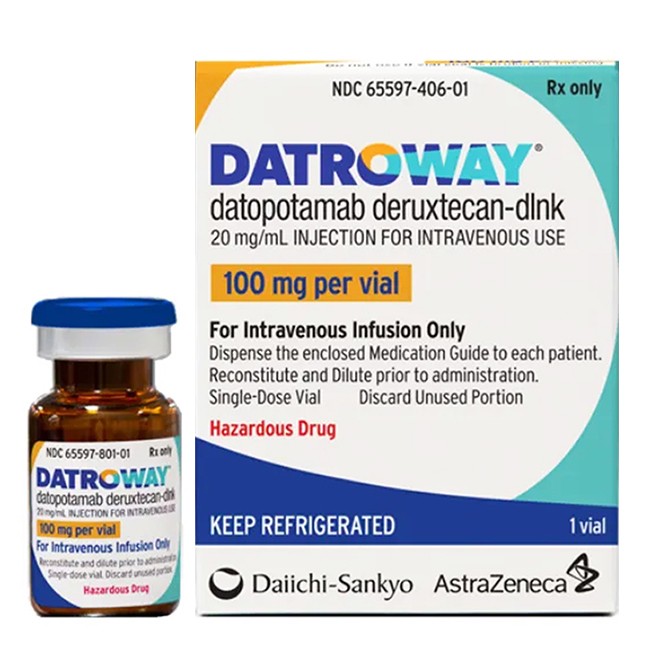
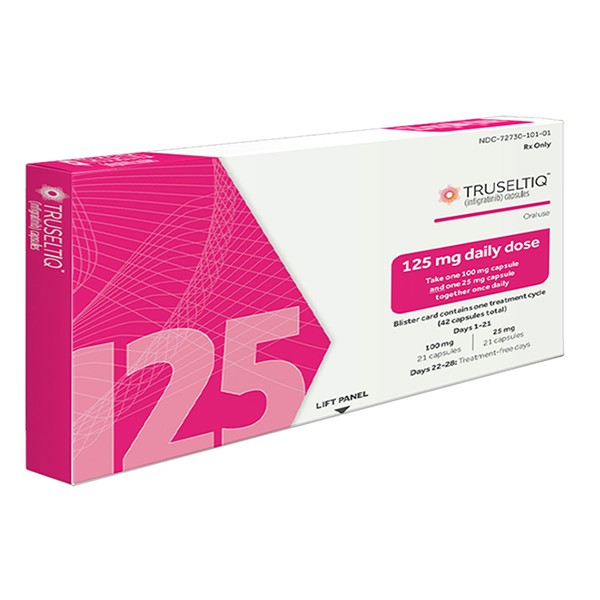
Infigratinib(Truseltiq)
Treatment of previously treated, unresectable locally advanced or metastatic...
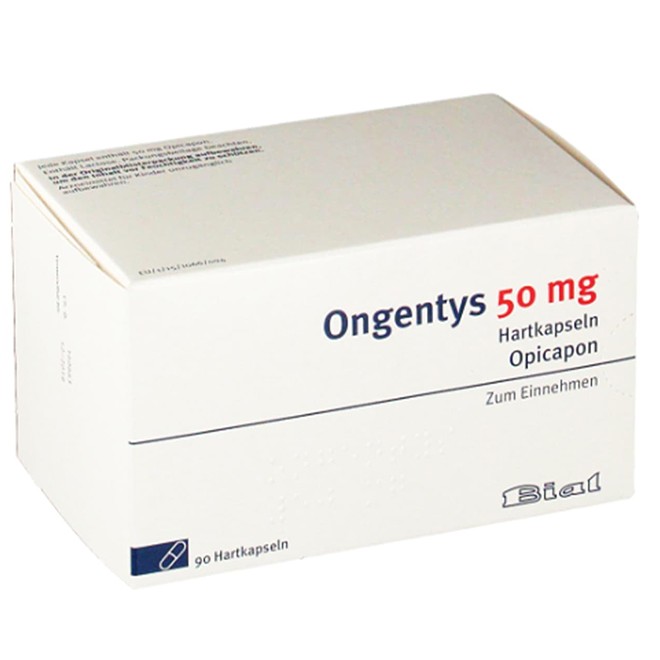
Opicapone(Ongentys)
Opicapone(Ongentys)
Adjunctive treatment to levodopa/carbidopa for reducing "off" episodes in...
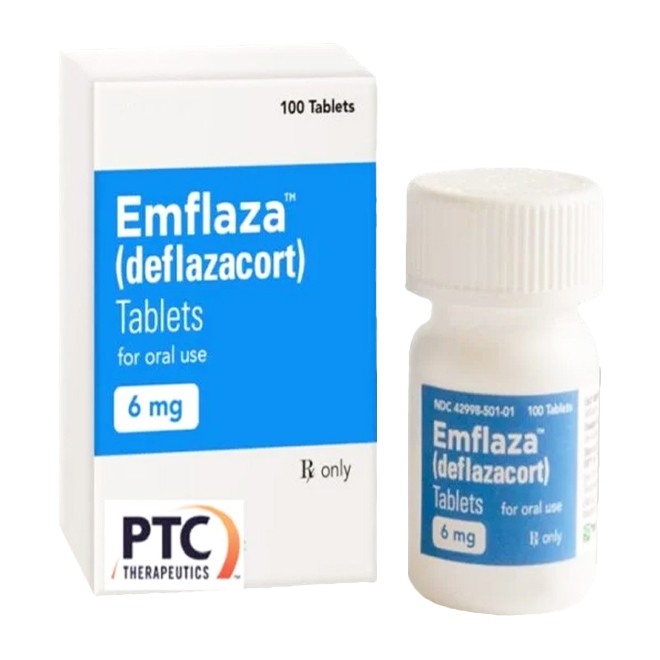
Deflazacort(Emflaza)
Treatment of Duchenne muscular dystrophy (DMD) in patients aged 2 years and...
Faricimab-svoa(Vabysmo)
Treatment of neovascular age-related macular degeneration, diabetic macular...
Counselling Service
Global Drug Search
Clinical Research Recruitment
Overseas Medical Treatment
Remote Consultations
Note: Our medical consultant will contact you as soon as possible. We promise to strictly protect your privacy.
Submit
Business
  • Core products
  • Antitumor drugs
  • General drug
  • Antiviral drugs
  • Biological agents
Contact Us 
  • haiousales@gmail.com
Welcome to consult
Seagull Pharmacy.,Ltd All rights reserved