info@seagull-health.com
SeagullHealth
语言:
search
new
How to Use Camatinib (Tabrecta)
509
Article source: Seagull Pharmacy
Sep 22, 2025

Camatinib (Tabrecta) is a targeted therapeutic drug for metastatic non-small cell lung cancer (NSCLC) harboring MET exon 14 skipping mutations.

How to Use Camatinib (Tabrecta)

Standard Dosage Regimen

The recommended dose of camatinib is 400 mg taken orally twice daily (approximately every 12 hours), which can be administered with or without food.

Administration Method

Patients should swallow camatinib tablets whole; do not break, crush, or chew the tablets.

This requirement stems from the drug's special formulation process—damaging the tablet structure may affect the drug's release characteristics and bioavailability.

If a dose is missed or vomiting occurs after administration, the patient should not make up for the missed dose. Instead, the next dose should be taken at the originally scheduled time to avoid an increased risk of adverse reactions due to dose accumulation.

Dose Adjustment of Camatinib (Tabrecta)

Dose Adjustment for Adverse Reactions

When patients experience specific adverse reactions, appropriate measures should be taken based on the severity of the reactions.

For the first dose reduction, adjust to 300 mg twice daily; for the second dose reduction, adjust to 200 mg twice daily.

If the patient still cannot tolerate the dose of 200 mg twice daily, camatinib should be permanently discontinued.

Interstitial Lung Disease (ILD)/Pneumonitis

Regardless of the grade, camatinib should be permanently discontinued once ILD/pneumonitis is diagnosed.

Such pulmonary complications may be life-threatening and require high vigilance.

In clinical practice, close monitoring should be conducted to check whether patients develop new or worsening pulmonary symptoms (such as dyspnea, cough, or fever). Once ILD/pneumonitis is suspected, drug administration should be immediately stopped and an assessment performed.

Hepatic Toxicity

For elevated ALT/AST without elevated bilirubin:

For grade 3 elevation, suspend drug administration until liver function returns to baseline. If recovery occurs within 7 days, treatment can be resumed at the original dose; otherwise, a dose reduction is required.

For grade 4 elevated ALT/AST, permanent discontinuation of the drug is necessary. When elevated ALT/AST is accompanied by elevated bilirubin (without cholestasis or hemolysis), the drug should be permanently discontinued.

For isolated bilirubin elevation, different measures should be taken based on the severity.

Precautions for Camatinib (Tabrecta) Use in Special Populations

Pregnant Women

Based on animal study data and its mechanism of action, this drug can cause fetal harm.

In animal experiments, pregnant rats and rabbits exposed to camatinib during the organogenesis period had fetuses with malformations, and the exposure level at which malformations occurred was lower than the exposure level in humans at the clinical dose.

Female patients of childbearing age should be informed of the potential fetal risks, and effective contraceptive measures should be taken during treatment and for 1 week after drug discontinuation.

Lactating Women

Currently, there is no data on whether the drug is excreted in human milk. However, considering the potential risk of serious adverse reactions to breastfed infants, it is recommended that breastfeeding be avoided during treatment and for 1 week after the last dose.

This recommendation is based on the drug's properties and the known risks of similar molecules, and preventive protective measures are adopted.

Patients with Renal Impairment

Patients with mild to moderate renal impairment (CLcr 30-89 mL/min) do not require dose adjustment.

No studies have been conducted in patients with severe renal impairment (CLcr 15-29 mL/min), so special caution should be exercised when using the drug in such patients.

Patients with Hepatic Impairment

Patients with mild, moderate, or severe hepatic impairment (Child-Pugh classification) do not require dose adjustment, which indicates that camatinib has good tolerability in patients with hepatic impairment.

Close monitoring of liver function is still necessary in clinical practice, especially for patients with a pre-existing liver disease.

Note: For internal discussion among medical personnel only. For specific medication, please consult the attending physician. Drug information may change over time. For the latest information, we recommend adding a medical consultant or consulting for free online.
Recommended Articles
Precautions for Administration of Truvada
Truvada is a combination antiretroviral medication used for the treatment of HIV-1 infection. It contains two active ingredients: emtricitabine (FTC) and tenofovir alafenamide (TAF).Precautions for Ad...
What Are the Side Effects of Biktarvy?
Biktarvy is a triple-combination antiretroviral drug containing bictegravir, emtricitabine, and tenofovir alafenamide. It is used for the treatment of HIV-1 infection in adults. As a complete treatmen...
How to Use Biktarvy
Biktarvy is a triple-combination anti-HIV-1 drug developed by Gilead Sciences, Inc., containing bictegravir, emtricitabine, and tenofovir alafenamide. As a complete antiviral treatment regimen, Biktar...
How to Use Qlosi Eye Drops
Qlosi Eye Drops is a cholinergic agonist used for the treatment of presbyopia in adults.How to Use Qlosi Eye DropsRoutine UsageSingle Dose: Instill 1 drop of Qlosi into each eye. The maximum frequency...
Precautions for Camatinib (Tabrecta) Administration
Camatinib (Tabrecta) is a kinase inhibitor targeting metastatic non-small cell lung cancer (NSCLC) with METex14 skipping mutation. Its efficacy has been verified in clinical trials. However, during th...
How Effective is Camatinib (Tabrecta) in Treatment?
Camatinib (Tabrecta) is a targeted therapeutic drug that has shown good efficacy in the treatment of specific types of non-small cell lung cancer (NSCLC) in recent years. As a kinase inhibitor, it exe...
What Are the Side Effects of Camatinib (Tabrecta)?
Camatinib (Tabrecta) is a targeted MET kinase inhibitor indicated for the treatment of adult patients with metastatic non-small cell lung cancer (NSCLC) harboring MET exon 14 skipping mutations. As a ...
How to Use Anagrelide (Agrylin)
Anagrelide (Agrylin) is a selective antiplatelet agent primarily used for the treatment of thrombocythemia secondary to myeloproliferative neoplasms. It reduces the risk of thrombosis and improves rel...
Related Articles
Dosage and Administration, Precautions, and Healthy Lifestyle for Cenobamate
Cenobamate is a novel once-daily oral antiepileptic drug. Correct dosage and administration, strict adherence to precautions, and a healthy lifestyle are critical to ensuring its efficacy and safety.I...
Side Effects of Cenobamate and Management Strategies
Cenobamate is an effective novel antiepileptic drug, but it is associated with a range of side effects.I. Side Effects of Cenobamate1. Most Common Side Effects (Incidence ≥10% and higher than placebo)...
Safinamide (Xadago): Domestic Launch and Purchase Guide in China
As an adjunctive treatment for Parkinson’s disease, the accessibility of safinamide in China is a major concern for patients.I. Domestic Launch Status1. Not Yet Launched in Chinese Mainland(1) As of A...
Analysis of the Therapeutic Value and Accessibility of Safinamide (Xadago)
As an adjunctive treatment for "off" episodes in Parkinson’s disease, safinamide’s clinical efficacy, medical insurance coverage, and pricing are common concerns for patients and their famil...
Dosage and Administration, Precautions, and Healthy Living Guidelines for Anagrelide (Agrylin)
Anagrelide is a prescription platelet-lowering medication that must be used precisely under the guidance of a physician.I. Dosage and Administration1. Adult Starting Dose(1) The recommended starting d...
Anagrelide (Agrylin): Side Effects, Management Strategies and Storage Guidelines
Anagrelide is a platelet-lowering agent with well-established efficacy, yet it is associated with a variety of adverse reactions.I. Common Side Effects1. Adverse Reactions with an Incidence Rate ≥ 5%T...
Drug Overview and Administration Guidance for Topiroxostat
Topiroxostat is a non-purine selective xanthine oxidase inhibitor indicated for the treatment of gout and hyperuricemia.I. Pharmaceutical Properties and Mechanism of Action1. Active Ingredient and Dos...
Key Clinical Application Guidelines for Topiroxostat
Topiroxostat is a non-purine selective xanthine oxidase inhibitor that exerts a uric acid-lowering effect by inhibiting uric acid production.I. Indications and Target Population1. Approved Indications...
New Drugs
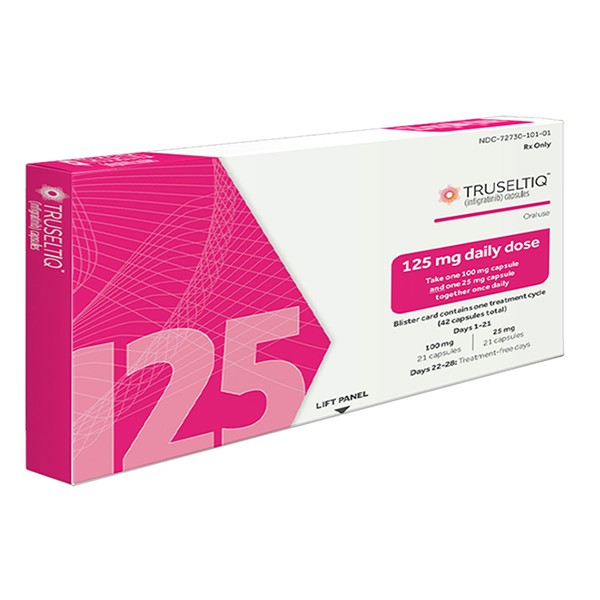
Infigratinib(Truseltiq)
Treatment of previously treated, unresectable locally advanced or metastatic...
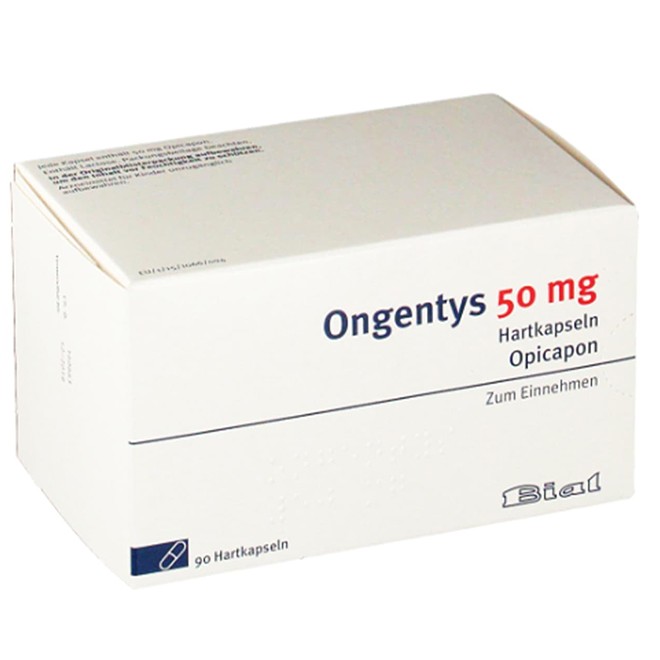
Opicapone(Ongentys)
Opicapone(Ongentys)
Adjunctive treatment to levodopa/carbidopa for reducing "off" episodes in...
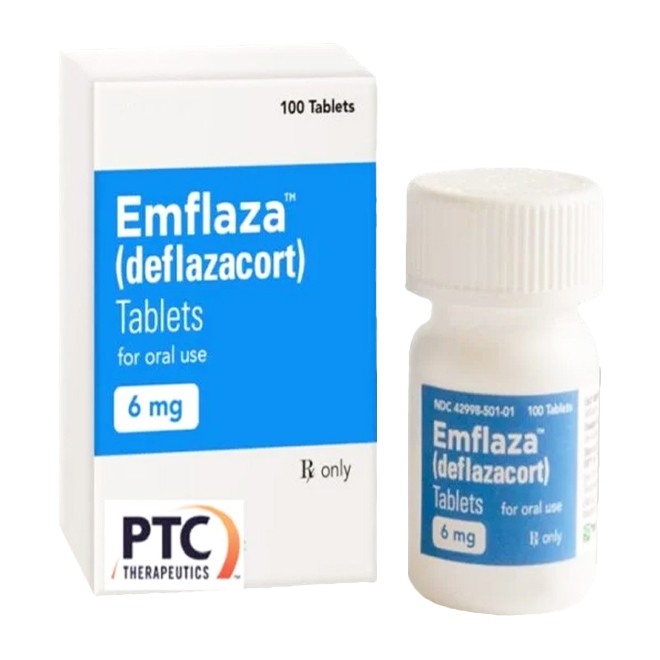
Deflazacort(Emflaza)
Treatment of Duchenne muscular dystrophy (DMD) in patients aged 2 years and...
Faricimab-svoa(Vabysmo)
Treatment of neovascular age-related macular degeneration, diabetic macular...
Counselling Service
Global Drug Search
Clinical Research Recruitment
Overseas Medical Treatment
Remote Consultations
Note: Our medical consultant will contact you as soon as possible. We promise to strictly protect your privacy.
Submit
Business
  • Core products
  • Antitumor drugs
  • General drug
  • Antiviral drugs
  • Biological agents
Contact Us 
  • haiousales@gmail.com
Welcome to consult
Seagull Pharmacy.,Ltd All rights reserved