info@seagull-health.com
SeagullHealth
语言:
search
new
The dosage and administration of Iwilfin
510
Article source: Seagull Pharmacy
Oct 28, 2025

Eflornithine is an oral medication used to reduce the risk of recurrence in high-risk neuroblastoma. To ensure therapeutic efficacy and minimize adverse reactions, its clinical use requires precise dose calculation based on individual patient conditions, standardized administration, and timely dose adjustments when toxic reactions occur.

1. Recommended Pre-Treatment Tests

Before initiating treatment with eflornithine tablets, three key tests must be completed: a complete blood count (CBC), liver function tests (LFTs), and a baseline hearing test. These provide foundational data for subsequent treatment monitoring.

2. Recommended Dosage

The recommended dosage of eflornithine tablets is determined based on the patient’s body surface area (BSA), with specific dosage breakdowns as follows:

When BSA > 1.5 m²: 768 mg (4 tablets) orally, twice daily.

When BSA is between 0.75–1.5 m²: 576 mg (3 tablets) orally, twice daily.

When BSA ranges from 0.5–<0.75 m²: 384 mg (2 tablets) orally, twice daily.

When BSA is 0.25–<0.5 m²: 192 mg (1 tablet) orally, twice daily.

During treatment, the patient’s BSA must be recalculated every 3 months, and the dosage adjusted accordingly based on the results.

3. Dosage Adjustments for Adverse Reactions

Dosage Reduction Gradient

If the current dosage is 768 mg (4 tablets) twice daily, the first dose reduction is to 576 mg (3 tablets) twice daily.

If the current dosage is 576 mg (3 tablets) twice daily, reduce to 384 mg (2 tablets) twice daily.

If the current dosage is 384 mg (2 tablets) twice daily, adjust to 192 mg (1 tablet) twice daily.

If the current dosage is 192 mg (1 tablet) twice daily, further reduce to 192 mg (1 tablet) once daily.

If adverse reactions persist after subsequent adjustments, continue reducing the dosage until reaching the minimum dose of 192 mg (1 tablet) once daily. If the patient cannot tolerate this minimum dose, permanent discontinuation of eflornithine tablets is required.

Dosage Adjustments for Specific Adverse Reactions

Myelosuppression

Neutropenia: If the neutrophil count < 500/mm³, suspend treatment until the count recovers to ≥ 500/mm³. If recovery occurs within 7 days, resume treatment at the original dose; if recovery takes more than 7 days, treat at the next lower dose level.

Thrombocytopenia: If the platelet count < 25,000/mm³, suspend treatment until the count recovers to ≥ 25,000/mm³. If recovery occurs within 7 days, resume at the original dose; if recovery takes 7–14 days, use the next lower dose; if no recovery occurs within 14 days, discontinue permanently.

Anemia: If hemoglobin < 8 g/dL, suspend treatment until hemoglobin ≥ 8 g/dL, then resume at the original dose. If anemia recurs (hemoglobin < 8 g/dL again), suspend treatment until indicators return to normal, then treat at the next lower dose.

Hepatotoxicity

If aspartate aminotransferase (AST) or alanine aminotransferase (ALT) ≥ 10 times the upper limit of normal (ULN), suspend treatment until indicators decrease to < 10 × ULN. If recovery occurs within 7 days, resume at the original dose; if recovery takes more than 7 days, use the next lower dose.

Hearing Loss

If clinically significant new-onset or worsening hearing loss occurs (compared to baseline hearing tests), continue treatment and recheck hearing after 3 weeks. If hearing improves, maintain the original dose; if clinically significant hearing changes persist, suspend treatment for up to 30 days and recheck. Once hearing stabilizes or improves, treat at the next lower dose.

Other Adverse Reactions

For grade 3 nausea, vomiting, or diarrhea: If symptoms resolve with supportive care (e.g., antiemetics, antidiarrheals), maintain the original dose. If symptoms do not improve, suspend treatment until symptoms decrease to ≤ grade 2, then use the next lower dose.

For other grade 3 or 4 adverse reactions: Suspend treatment until symptoms decrease to ≤ grade 2, then use the next lower dose. If grade 4 adverse reactions recur, discontinue permanently.

4. Administration Method, Crushed Formulations, and Missed Dose Instructions

Administration Method

Eflornithine tablets are taken orally twice daily, either with food or on an empty stomach. The duration of treatment is 2 years, or until disease recurrence or unacceptable toxicity occurs. Tablets may be swallowed whole, chewed, or crushed before administration.

Crushed Formulations

For patients with swallowing difficulties, tablets may be chewed or crushed and mixed with 2 tablespoons of soft food or liquid. Visually confirm that the entire mixture is consumed. If crushed tablet particles remain in the container, add a small amount (no more than 1 ounce, or 30 mL) of additional soft food or liquid, mix, and administer. Crushed formulations must be taken within 1 hour of preparation; discard any unused portion after 1 hour.

Note: For internal discussion among medical personnel only. For specific medication, please consult the attending physician. Drug information may change over time. For the latest information, we recommend adding a medical consultant or consulting for free online.
Recommended Articles
Indications for Datopotamab Deruxtecan (Datroway)
Datopotamab Deruxtecan (Datroway) is a novel Trop-2-directed antibody-drug conjugate (ADC) linked to a topoisomerase inhibitor. It has demonstrated favorable efficacy in the treatment of specific type...
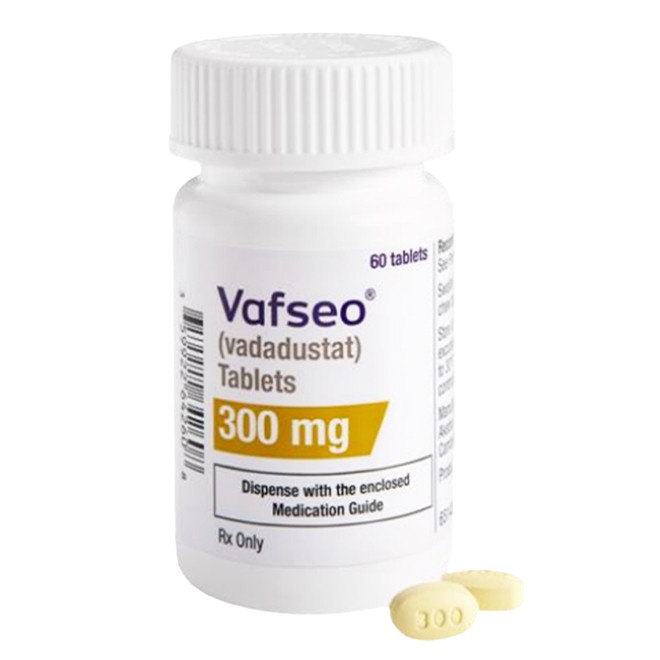
How to Use Vadadustat (Vafseo)
Vadadustat (Vafseo) is a hypoxia-inducible factor prolyl hydroxylase (HIFPH) inhibitor, indicated for the treatment of anemia associated with chronic kidney disease (CKD) in adults who have been recei...
Indications for Vadadustat (Vafseo)
Vadadustat (Vafseo) is a hypoxia-inducible factor prolyl hydroxylase (HIFPH) inhibitor, used for the treatment of anemia caused by chronic kidney disease (CKD).Indications for Vadadustat (Vafseo)Indic...
How to Purchase Vadadustat (Vafseo)
Vadadustat (Vafseo) is an oral medication used to treat anemia in dialysis patients with chronic kidney disease (CKD), and must be used strictly as directed by a doctor.How to Purchase Vadadustat (Vaf...
How to Purchase Voranidini (Voranigo)
Voranidini (Voranigo) is a targeted therapeutic drug for IDH1/2-mutant lower-grade gliomas, with the brand name VORANIGO®. As a prescription medication, its purchase and use must strictly comply with ...
Indications for Voranigo
Voranigo is a new targeted drug approved by the U.S. FDA in 2024, indicated for the treatment of gliomas associated with specific gene mutations. As an IDH1/IDH2 inhibitor, it exerts therapeutic effec...
How to Use Voranigo
Voranigo is an isocitrate dehydrogenase-1/2 (IDH1/2) inhibitor, indicated for the treatment of patients aged 12 years and older with IDH1/2-mutant grade 2 astrocytoma or oligodendroglioma.How to Use V...
Precautions for Voranigo Administration
Voranigo is a new type of isocitrate dehydrogenase-1/2 (IDH1/2) inhibitor, indicated for the treatment of patients aged over 12 years with IDH1/2-mutant grade 2 astrocytoma or oligodendroglioma.Precau...
Related Articles
Side Effects and Adverse Reaction Management of Imetelstat
Imetelstat, as an innovative telomerase inhibitor, offers a new therapeutic option for patients with specific myelodysplastic syndromes.I. Hematologic Adverse Reactions1. Recognition and Prevention of...
Contraindications and Precautions for Special Populations of Imetelstat
Imetelstat, as a novel targeted agent, has no absolute contraindications, but special populations require extra caution.I. Contraindications and General Warnings1. No Absolute Contraindications(1) The...
Drug Precautions for Tebipenem Pivoxil (Utebzi)
Tebipenem pivoxil (Utebzi) is an oral antibiotic used to treat specific complicated urinary tract infections.I. Correct Administration and Dose Management1. Take strictly on time and at the prescribed...
Dosage and Administration of Epoetin alfa
The dosage and administration of epoetin alfa must be individualized, based on the indication, patient age, and treatment response. The core goal is to maintain hemoglobin levels at the lowest effecti...
Dosage and Administration of Inclisiran Sodium Injection
The dosage and administration of inclisiran sodium injection are based on a fixed dosing schedule and strict subcutaneous injection operation specifications.Recommended DoseFor adult and pediatric pat...
Indications and Precautions for Use of Meloxicam Injection
Meloxicam injection is a nonsteroidal anti-inflammatory drug (NSAID) indicated for the management of moderate to severe pain in adults. Understanding its indications and the key precautions throughout...
Storage of Cecleclidine Eye Drops (Vizz)
Proper storage is the key to maintaining the efficacy and sterility of Vizz. The following explains three aspects: refrigeration guidelines, management after removal from the cold chain, and packaging...
Indications and Precautions for Use of Cecleclidine Eye Drops (Vizz)
Aceclidine ophthalmic solution offers a pharmacological option for improving near vision in adults with presbyopia, but clarifying its indications and key precautions before and after administration i...
New Drugs
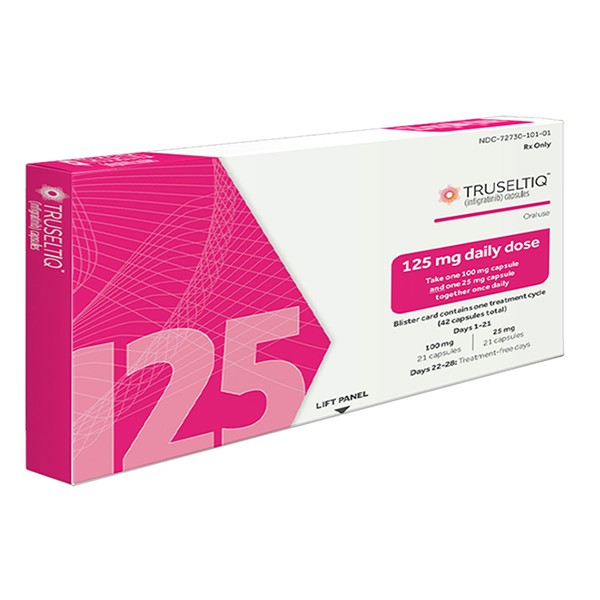
Infigratinib(Truseltiq)
Treatment of previously treated, unresectable locally advanced or metastatic...
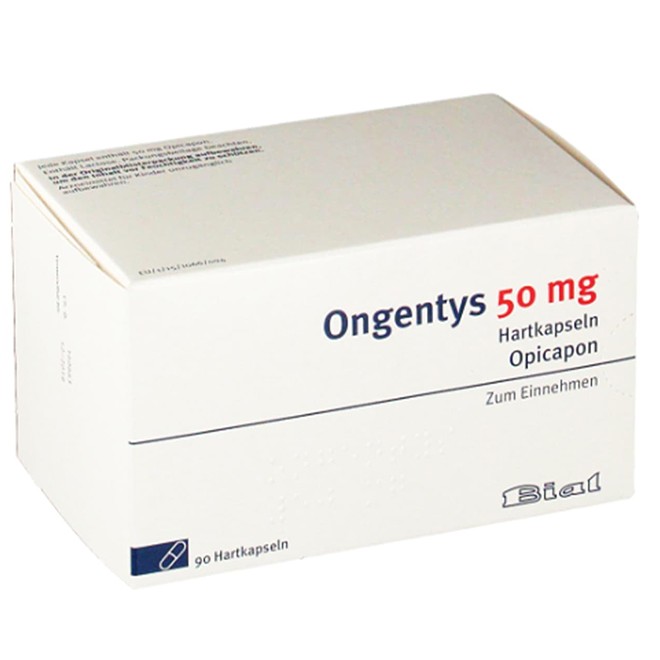
Opicapone(Ongentys)
Opicapone(Ongentys)
Adjunctive treatment to levodopa/carbidopa for reducing "off" episodes in...
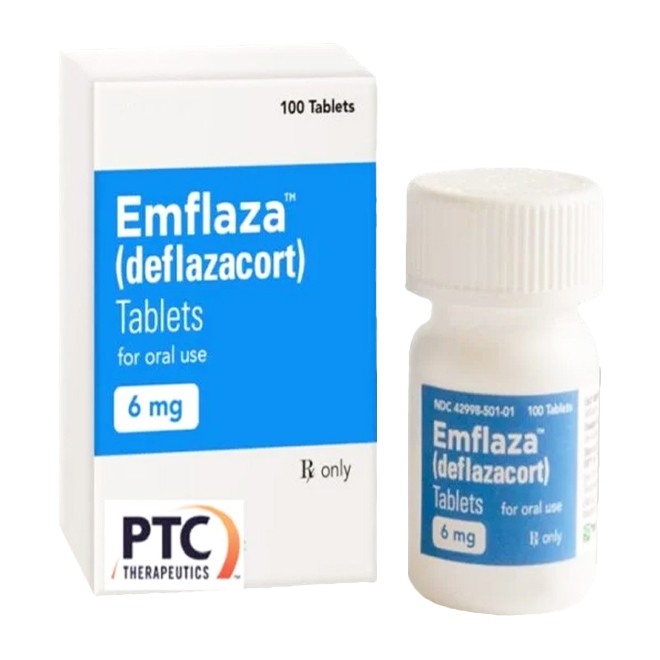
Deflazacort(Emflaza)
Treatment of Duchenne muscular dystrophy (DMD) in patients aged 2 years and...
Faricimab-svoa(Vabysmo)
Treatment of neovascular age-related macular degeneration, diabetic macular...
Counselling Service
Global Drug Search
Clinical Research Recruitment
Overseas Medical Treatment
Remote Consultations
Note: Our medical consultant will contact you as soon as possible. We promise to strictly protect your privacy.
Submit
Business
  • Core products
  • Antitumor drugs
  • General drug
  • Antiviral drugs
  • Biological agents
Contact Us 
  • haiousales@gmail.com
Welcome to consult
Seagull Pharmacy.,Ltd All rights reserved