info@seagull-health.com
SeagullHealth
语言:
search
new
Indications for Clofazimine
505
Article source: Seagull Pharmacy
Oct 30, 2025

Clofazimine is an antimycobacterial agent. Since its approval in the United States in 1986, it has been mainly used for the treatment of leprosy and its complications.

Indications for Clofazimine

Treatment of Leprosy

Lepromatous Leprosy: Including dapsone-sensitive lepromatous leprosy, dapsone-resistant lepromatous leprosy, and lepromatous leprosy accompanied by erythema nodosum reactions.

Principle of Combined Medication: To prevent drug resistance, clofazimine must be used in combination with other anti-leprosy drugs and should not be used alone for initial treatment.

Dose Adjustment for Special Cases

Dapsone-sensitive type: A daily dose of 100mg is recommended, combined with two other drugs for at least 2 years.

Dapsone-resistant type: Combination with one or more other drugs is required, and the treatment should last for 3 years.

Erythema nodosum reaction: The dose can be increased to 100–200mg per day, but it should be reduced to 100mg per day as soon as possible to lower the risk of adverse reactions.

Dosage Form, Strength and Properties of Clofazimine

Dosage Form and Strength

Clofazimine is available as soft capsules, with each capsule containing 50mg of the active ingredient.

The capsules are brown and spherical, and the contents consist of micronized clofazimine suspended in an oil-wax base.

Chemical Properties

Chemical Name: 3-(p-Chlorophenylamino)-10-(p-chlorophenyl)-2,10-dihydro-2-isopropyliminophenazine.

Molecular Formula and Molecular Weight: C₂₇H₂₂Cl₂N₄, with a molecular weight of 473.4.

Solubility: It is easily soluble in benzene and chloroform, poorly soluble in water, and slightly soluble in methanol and ethanol.

Excipient Ingredients

The capsule shell contains sodium ethyl parahydroxybenzoate, sodium propyl parahydroxybenzoate, gelatin, etc. The contents include inactive ingredients such as beeswax, lecithin, and vegetable oils.

Storage Methods for Clofazimine

Storage Conditions

Temperature Requirement: It should be stored below 25°C (77°F) to avoid exposure to high temperatures.

Moisture-proof Measure: It must be placed in a sealed container to prevent moisture from affecting the stability of the drug.

Note: For internal discussion among medical personnel only. For specific medication, please consult the attending physician. Drug information may change over time. For the latest information, we recommend adding a medical consultant or consulting for free online.
Recommended Articles
How to Purchase Clofazimine
Clofazimine is a prescription medication used for the treatment of leprosy and certain mycobacterial infections. Due to its specific uses and pharmacological properties, its purchase must strictly com...
Precautions for Administration of Isavuconazonium Sulfate Capsules (Cresemba)
Isavuconazonium Sulfate Capsules (Cresemba) are a triazole antifungal agent primarily indicated for the treatment of invasive aspergillosis and mucormycosis.Precautions for Administration of Isavucona...
How to Use Siponimod (Mayzent)
Siponimod (Mayzent) is a sphingosine 1-phosphate (S1P) receptor modulator used for the treatment of relapsing forms of multiple sclerosis (MS) in adults, including clinically isolated syndrome, relaps...
Indications for Siponimod (Mayzent)
Siponimod (Mayzent) is a sphingosine 1-phosphate (S1P) receptor modulator used for the treatment of relapsing forms of multiple sclerosis (MS).Indications for Siponimod (Mayzent)Primary IndicationsSip...
Precautions for Clofazimine Administration
Clofazimine is an antimycobacterial agent primarily used for the treatment of leprosy, including dapsone-resistant leprosy and leprosy accompanied by erythema nodosum.Precautions for Clofazimine Admin...
What are the Side Effects of Clofazimine?
Clofazimine is an antimycobacterial drug primarily used for the treatment of leprosy (especially lepromatous leprosy) and erythema nodosum leprosum reactions. Despite its significant efficacy, potenti...
How to Purchase Aprepitant
Aprepitant is a prescription medication used to prevent chemotherapy-induced nausea and vomiting, belonging to the class of neurokinin-1 (NK1) receptor antagonists. Due to its specific use and pharmac...
How to Use Aprepitant
Aprepitant is an antiemetic belonging to the class of substance P/neurokinin 1 (NK1) receptor antagonists, primarily used for preventing chemotherapy-induced nausea and vomiting (CINV).How to Use Apre...
Related Articles
Dosage and Administration, Precautions, and Healthy Lifestyle for Cenobamate
Cenobamate is a novel once-daily oral antiepileptic drug. Correct dosage and administration, strict adherence to precautions, and a healthy lifestyle are critical to ensuring its efficacy and safety.I...
Side Effects of Cenobamate and Management Strategies
Cenobamate is an effective novel antiepileptic drug, but it is associated with a range of side effects.I. Side Effects of Cenobamate1. Most Common Side Effects (Incidence ≥10% and higher than placebo)...
Safinamide (Xadago): Domestic Launch and Purchase Guide in China
As an adjunctive treatment for Parkinson’s disease, the accessibility of safinamide in China is a major concern for patients.I. Domestic Launch Status1. Not Yet Launched in Chinese Mainland(1) As of A...
Analysis of the Therapeutic Value and Accessibility of Safinamide (Xadago)
As an adjunctive treatment for "off" episodes in Parkinson’s disease, safinamide’s clinical efficacy, medical insurance coverage, and pricing are common concerns for patients and their famil...
Dosage and Administration, Precautions, and Healthy Living Guidelines for Anagrelide (Agrylin)
Anagrelide is a prescription platelet-lowering medication that must be used precisely under the guidance of a physician.I. Dosage and Administration1. Adult Starting Dose(1) The recommended starting d...
Anagrelide (Agrylin): Side Effects, Management Strategies and Storage Guidelines
Anagrelide is a platelet-lowering agent with well-established efficacy, yet it is associated with a variety of adverse reactions.I. Common Side Effects1. Adverse Reactions with an Incidence Rate ≥ 5%T...
Drug Overview and Administration Guidance for Topiroxostat
Topiroxostat is a non-purine selective xanthine oxidase inhibitor indicated for the treatment of gout and hyperuricemia.I. Pharmaceutical Properties and Mechanism of Action1. Active Ingredient and Dos...
Key Clinical Application Guidelines for Topiroxostat
Topiroxostat is a non-purine selective xanthine oxidase inhibitor that exerts a uric acid-lowering effect by inhibiting uric acid production.I. Indications and Target Population1. Approved Indications...
New Drugs
Infigratinib(Truseltiq)
Treatment of previously treated, unresectable locally advanced or metastatic...
Opicapone(Ongentys)
Opicapone(Ongentys)
Adjunctive treatment to levodopa/carbidopa for reducing "off" episodes in...
Deflazacort(Emflaza)
Treatment of Duchenne muscular dystrophy (DMD) in patients aged 2 years and...
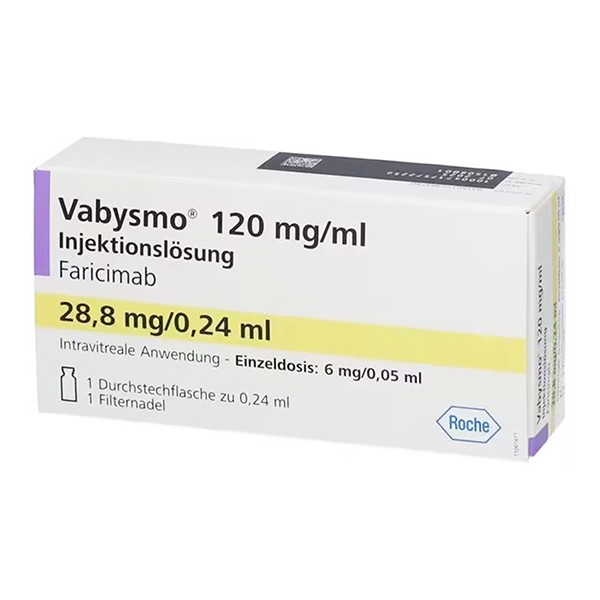
Faricimab-svoa(Vabysmo)
Treatment of neovascular age-related macular degeneration, diabetic macular...
Counselling Service
Global Drug Search
Clinical Research Recruitment
Overseas Medical Treatment
Remote Consultations
Note: Our medical consultant will contact you as soon as possible. We promise to strictly protect your privacy.
Submit
Business
  • Core products
  • Antitumor drugs
  • General drug
  • Antiviral drugs
  • Biological agents
Contact Us 
  • haiousales@gmail.com
Welcome to consult
Seagull Pharmacy.,Ltd All rights reserved