info@seagull-health.com
SeagullHealth
语言:
search
new
What Are the Precautions for Using Qutenza (Capsaicin Patch)?
507
Article source: Seagull Pharmacy
Nov 17, 2025

Qutenza (Capsaicin Patch) is a transdermal drug delivery system containing 8% capsaicin (640 micrograms per square centimeter), which was first approved in the United States in 2009. As a TRPV1 channel agonist, it exerts an analgesic effect by acting on sensory nerve endings and is currently approved for the treatment of neuropathic pain associated with postherpetic neuralgia (PHN) and diabetic peripheral neuropathy (DPN).

What Are the Precautions for Using Qutenza (Capsaicin Patch)?

Requirements for Administrators and Environment

Qutenza must be administered by a physician or professional healthcare provider; self-administration or handling by patients is prohibited.

Administration must be conducted in a well-ventilated treatment area. Operators must wear nitrile gloves (latex gloves are not allowed), and it is recommended to use masks and goggles to prevent the risk of accidental exposure to capsaicin.

All used materials must be disposed of in accordance with biomedical waste standards.

Dosage and Applicable Conditions

For PHN patients: A maximum of 4 patches can be used each time, with an application duration of 60 minutes.

For DPN patients: A maximum of 4 patches can be used on the feet each time, with an application duration of 30 minutes.

Treatment interval: Repeat treatment once every 3 months, or as determined based on pain recurrence (the minimum interval shall not be less than 3 months).

Skin condition: The patch can only be applied to dry, intact skin and must not be used on damaged skin. Before using the patch, DPN patients need to check their feet for skin lesions related to neuropathy or vascular insufficiency.

Medication Management for Special Populations

Pregnancy: Animal studies have shown no teratogenicity, but human data are limited, so the benefits and risks must be weighed.

Lactation: The amount of capsaicin excreted in breast milk is extremely low, but the patch should not be applied directly to the nipple and areolar areas.

Elderly patients: In clinical studies, patients aged 75 and above accounted for 43% of the total, and there was no significant difference in safety between this group and younger populations, so no dosage adjustment is required.

Medication Monitoring for Qutenza (Capsaicin Patch)

Real-Time Monitoring During Treatment

Dynamic blood pressure monitoring: Blood pressure must be monitored regularly during and after treatment. Clinical studies have shown that some patients may experience transient increases in blood pressure (average increase < 10 mmHg, lasting approximately 2 hours). Special attention should be paid to patients with unstable hypertension or a recent history of cardiovascular and cerebrovascular events.

Acute pain management: Even if a local anesthetic is used in advance, patients may still experience significant pain or a burning sensation during patch application and removal. Preparations should be made for local cold compresses or analgesic intervention.

Neurological Function Assessment

Sensory function (focusing on changes in temperature sensation and sharpness sensation) must be checked before each treatment.

If sensory deterioration or loss occurs, the feasibility of continuing treatment needs to be re-evaluated.

Skin Reaction Monitoring

Common adverse reactions include erythema (63%), pain (42%), and pruritus (6%) at the application site.

Special vigilance must be paid to the risk of severe burns, including full-thickness (third-degree) and deep partial-thickness (second-degree) burns. There have been cases requiring hospitalization and skin grafting.

Note: For internal discussion among medical personnel only. For specific medication, please consult the attending physician. Drug information may change over time. For the latest information, we recommend adding a medical consultant or consulting for free online.
Recommended Articles
Dosage and Administration of Qutenza (Capsaicin Patch)
Qutenza (Capsaicin Patch) is an FDA-approved topical medication for the treatment of postherpetic neuralgia (PHN) and neuropathic pain associated with diabetic peripheral neuropathy (DPN). Its unique ...
What Are the Indications for Qutenza (Capsaicin Patch)?
Qutenza (Capsaicin Patch) is a therapeutic medication approved by the U.S. Food and Drug Administration (FDA), providing an innovative treatment option for patients with specific types of neuropathic ...
Purchase Channels for Qutenza (Capsaicin Patch)
Qutenza (Capsaicin Patch) is a topical patch containing 8% capsaicin, classified as a TRPV1 channel agonist. In July 2020, this medication was approved by the U.S. FDA for the treatment of foot neural...
What Are the Side Effects of Epalrestat?
Epalrestat is a selective aldose reductase inhibitor. Since its approval in Japan in 1992, it has been mainly used for the treatment of diabetic peripheral neuropathy. Similar to other medications, Ep...
Side Effects of Qutenza (Capsaicin Patch)
Qutenza (Capsaicin Patch) is a topical patch system containing 8% capsaicin, indicated for the treatment of neuropathic pain associated with postherpetic neuralgia (PHN) and diabetic peripheral neurop...
Purchase Channels for Xphozah (Tenapanor)
Xphozah (Tenapanor) is a sodium-hydrogen exchanger 3 (NHE3) inhibitor with tenapanor hydrochloride as the active ingredient. First approved in the United States in 2019, this medication is primarily u...
What Are the Indications for Xphozah (Tenapanor)?
Xphozah (Tenapanor) is an innovative medication approved by the U.S. Food and Drug Administration (FDA), providing a new treatment option for serum phosphorus control in patients with chronic kidney d...
Dosage and Administration of Xphozah (Tenapanor)
Xphozah (Tenapanor) is an FDA-approved sodium-hydrogen exchanger 3 (NHE3) inhibitor specifically indicated for the treatment of hyperphosphatemia in patients with chronic kidney disease (CKD) undergoi...
Related Articles
Dosage and Administration, Precautions, and Healthy Lifestyle for Cenobamate
Cenobamate is a novel once-daily oral antiepileptic drug. Correct dosage and administration, strict adherence to precautions, and a healthy lifestyle are critical to ensuring its efficacy and safety.I...
Side Effects of Cenobamate and Management Strategies
Cenobamate is an effective novel antiepileptic drug, but it is associated with a range of side effects.I. Side Effects of Cenobamate1. Most Common Side Effects (Incidence ≥10% and higher than placebo)...
Safinamide (Xadago): Domestic Launch and Purchase Guide in China
As an adjunctive treatment for Parkinson’s disease, the accessibility of safinamide in China is a major concern for patients.I. Domestic Launch Status1. Not Yet Launched in Chinese Mainland(1) As of A...
Analysis of the Therapeutic Value and Accessibility of Safinamide (Xadago)
As an adjunctive treatment for "off" episodes in Parkinson’s disease, safinamide’s clinical efficacy, medical insurance coverage, and pricing are common concerns for patients and their famil...
Dosage and Administration, Precautions, and Healthy Living Guidelines for Anagrelide (Agrylin)
Anagrelide is a prescription platelet-lowering medication that must be used precisely under the guidance of a physician.I. Dosage and Administration1. Adult Starting Dose(1) The recommended starting d...
Anagrelide (Agrylin): Side Effects, Management Strategies and Storage Guidelines
Anagrelide is a platelet-lowering agent with well-established efficacy, yet it is associated with a variety of adverse reactions.I. Common Side Effects1. Adverse Reactions with an Incidence Rate ≥ 5%T...
Drug Overview and Administration Guidance for Topiroxostat
Topiroxostat is a non-purine selective xanthine oxidase inhibitor indicated for the treatment of gout and hyperuricemia.I. Pharmaceutical Properties and Mechanism of Action1. Active Ingredient and Dos...
Key Clinical Application Guidelines for Topiroxostat
Topiroxostat is a non-purine selective xanthine oxidase inhibitor that exerts a uric acid-lowering effect by inhibiting uric acid production.I. Indications and Target Population1. Approved Indications...
New Drugs
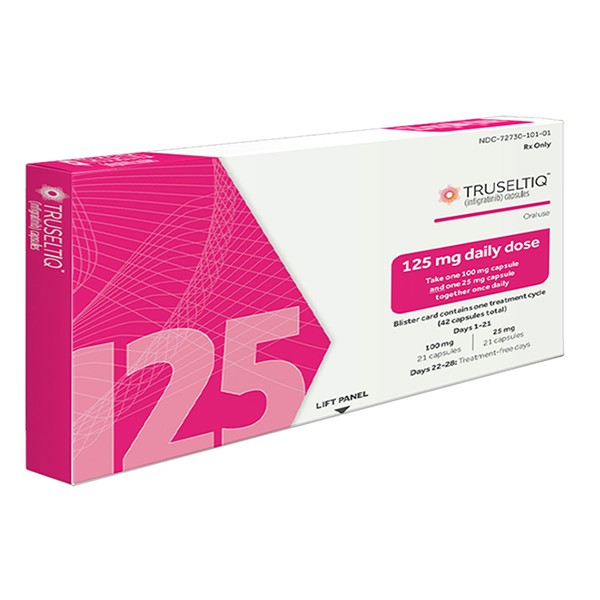
Infigratinib(Truseltiq)
Treatment of previously treated, unresectable locally advanced or metastatic...
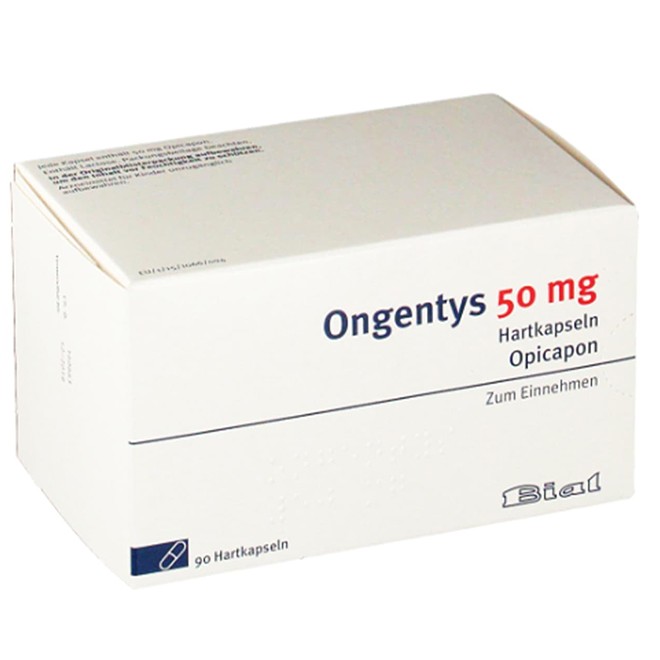
Opicapone(Ongentys)
Opicapone(Ongentys)
Adjunctive treatment to levodopa/carbidopa for reducing "off" episodes in...
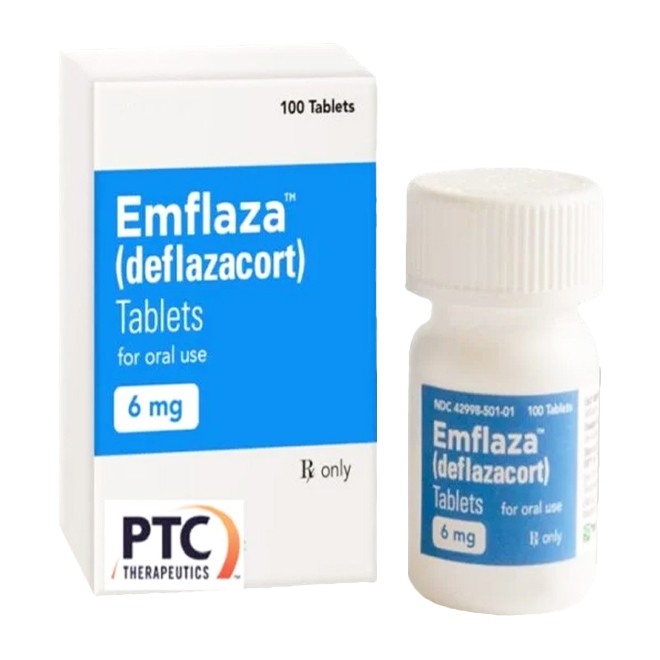
Deflazacort(Emflaza)
Treatment of Duchenne muscular dystrophy (DMD) in patients aged 2 years and...
Faricimab-svoa(Vabysmo)
Treatment of neovascular age-related macular degeneration, diabetic macular...
Counselling Service
Global Drug Search
Clinical Research Recruitment
Overseas Medical Treatment
Remote Consultations
Note: Our medical consultant will contact you as soon as possible. We promise to strictly protect your privacy.
Submit
Business
  • Core products
  • Antitumor drugs
  • General drug
  • Antiviral drugs
  • Biological agents
Contact Us 
  • haiousales@gmail.com
Welcome to consult
Seagull Pharmacy.,Ltd All rights reserved