info@seagull-health.com
SeagullHealth
语言:
search
new
Dosage and Administration of Voranidenib (Voranigo)
503
Article source: Seagull Pharmacy
Dec 30, 2025
Voranidenib (Voranigo) is an oral inhibitor of isocitrate dehydrogenase-1 (IDH1) and isocitrate dehydrogenase-2 (IDH2). It is indicated for the treatment of adult patients and pediatric patients aged 12 years and older with grade 2 astrocytoma or oligodendroglioma harboring IDH1 or IDH2 mutations following surgery (including biopsy, subtotal resection, or gross total resection).

Dosage and Administration of Voranidenib (Voranigo)

Recommended Dosage

Adult Patients

The recommended dosage is 40 mg once daily, to be administered continuously until disease progression or unacceptable toxicity occurs.

Pediatric Patients Aged 12 Years and Older

Dosage should be adjusted based on body weight:

For patients with body weight ≥ 40 kg: 40 mg once daily.

For patients with body weight < 40 kg: 20 mg once daily.

Treatment should also continue until disease progression or unacceptable toxicity occurs.

Administration Precautions

The tablets should be swallowed whole with water, and must not be split, crushed, or chewed.

If a dose is missed by less than 6 hours, it should be taken immediately. If the delay exceeds 6 hours, the missed dose should be skipped, and the next dose should be taken at the regularly scheduled time.

If vomiting occurs after administration, no additional dose is needed. Resume dosing the next day at the original scheduled time.

Dose Modification of Voranidenib (Voranigo)

Dose Reduction Schedule

For adult and pediatric patients with body weight ≥ 40 kg: Reduce the dose to 20 mg once daily for the first dose reduction.

If further dose reduction is required, decrease to 10 mg once daily.

For pediatric patients with body weight < 40 kg: Reduce the dose to 10 mg once daily for the first dose reduction.

If the patient is unable to tolerate the 10 mg once daily dose, permanent discontinuation of treatment is required.

Dose Modifications for Adverse Reactions

Grade 1 elevation: Continue the original dose, and monitor weekly until recovery.

Grade 2 elevation: Withhold treatment for the first occurrence; resume at the original or reduced dose after recovery. For recurrence, resume at a reduced dose.

Grade 3 elevation: Withhold treatment for the first occurrence; resume at a reduced dose if recovery occurs within 28 days, otherwise discontinue treatment permanently. For recurrence, discontinue treatment permanently.

Grade 4 elevation or evidence of hepatocellular injury (e.g., ALT/AST > 3 times the upper limit of normal accompanied by increased bilirubin): Permanent treatment discontinuation is required.

For other grade 3 non-hematologic adverse reactions: Withhold treatment for the first occurrence; resume at a reduced dose after recovery. For recurrence, discontinue treatment permanently. Grade 4 adverse reactions require permanent treatment discontinuation.

Use in Special Populations

Patients with Hepatic or Renal Impairment

Patients with mild or moderate hepatic impairment (Child-Pugh Class A or B) do not require dosage adjustment.

Limited data are available for patients with severe hepatic impairment (Child-Pugh Class C); close monitoring is recommended during use, and dosage adjustment should be made based on adverse reactions.

Patients with a creatinine clearance (CLcr) > 40 mL/min do not require dosage adjustment.

The pharmacokinetics of voranidenib have not been studied in patients with CLcr ≤ 40 mL/min or those requiring dialysis; close monitoring for adverse reactions is necessary, and dosage adjustment should be performed as appropriate.

Pregnant, Lactating Patients and Patients with Reproductive Potential

Voranidenib has embryo-fetal toxicity and is contraindicated in pregnant women.

Females of reproductive potential should undergo pregnancy testing prior to initiating treatment, and use effective non-hormonal contraception during treatment and for 3 months after the last dose (as this product may reduce the efficacy of hormonal contraceptives).

Male partners of females of reproductive potential should also use effective contraception during treatment and for 3 months after the last dose.

Breastfeeding should be discontinued during treatment and for 2 months after the last dose.

Note: For internal discussion among medical personnel only. For specific medication, please consult the attending physician. Drug information may change over time. For the latest information, we recommend adding a medical consultant or consulting for free online.
Recommended Articles
Adverse Reactions of Pretomanid
Pretomanid is an oral nitroimidazooxazine antimycobacterial agent indicated for the treatment of pulmonary tuberculosis (TB) in adults with extensively drug-resistant (XDR) or multidrug-resistant (MDR...
What are the Precautions for Pretomanid Administration?
Pretomanid is an oral nitroimidazooxazine antimycobacterial agent. As part of a combination therapeutic regimen with bedaquiline and linezolid, it is specifically indicated for the treatment of specif...
Where to Purchase Lazertinib
Lazertinib is an oral kinase inhibitor for combined use with Amivantamab, offering a novel treatment option for patients with advanced non-small cell lung cancer (NSCLC) harboring specific epidermal g...
What are the Indications for Lazertinib?
Lazertinib is an oral kinase inhibitor that received its first approval in the United States in 2024. In combination with Amivantamab, another medicinal product, it provides a novel treatment option f...
What are the Indications of Voranidenib (Voranigo)?
Voranidenib (Voranigo) is a novel oral targeted therapy, which was first approved for marketing in the United States in 2024. As a dual inhibitor of isocitrate dehydrogenase-1 (IDH1) and isocitrate de...
What Are the Purchase Channels for Voranidenib (Voranigo)?
Voranidenib (Voranigo) is a novel targeted therapy approved for marketing by the U.S. Food and Drug Administration (FDA) in 2024. It is indicated for the treatment of grade 2 gliomas (astrocytoma or o...
Adverse Reactions of Sladelpar
Sladelpar is a novel peroxisome proliferator-activated receptor delta (PPARδ) agonist. Approved in the United States in 2024, it is indicated for the treatment of adult patients with primary biliary c...
What are the Precautions for Using Seladelpar?
Seladelpar is a novel peroxisome proliferator-activated receptor delta (PPAR-δ) agonist indicated for the treatment of adult patients with primary biliary cholangitis (PBC) who have an inadequate resp...
Related Articles
How to relieve the side effects of Gilteritinib (Xospata)?
Side effect management of Lazertinib requires targeted measures based on specific reaction types, with key focus on the prevention and control of venous thromboembolism, skin reactions, and ocular tox...
What are the side effects of Gilteritinib (Xospata)?
Gilteritinib (Xospata) is a FLT3 inhibitor. Its adverse reactions mainly involve the hematological system, cardiovascular system, digestive system, etc. Different management measures should be taken a...
Where to Buy Venetoclax Tablets
Venetoclax is a targeted medication used for the treatment of chronic lymphocytic leukemia/small lymphocytic lymphoma (CLL/SLL) and acute myeloid leukemia (AML). As a prescription drug, its purchase a...
Indications of Venetoclax Tablets
Venetoclax is an innovative BCL‑2 inhibitor that plays an important role in the treatment of hematologic malignancies.Indications of Venetoclax TabletsMain Indications(1) Chronic Lymphocytic Leukemia ...
Side Effects of Mavacamten (Camzyos)
Mavacamten (Camzyos) is a cardiac myosin inhibitor indicated for the treatment of adults with symptomatic obstructive hypertrophic cardiomyopathy (HCM), New York Heart Association (NYHA) functional cl...
What are the precautions for mavacamten (Camzyos)?
Mavacamten (Camzyos) is a novel cardiac myosin inhibitor indicated for the treatment of adults with symptomatic obstructive hypertrophic cardiomyopathy (HCM) of New York Heart Association (NYHA) funct...
Mechanism of Action of Valsartan Tablets (Diovan)
Valsartan Tablets (Diovan) is a widely used angiotensin II receptor antagonist (ARB) in clinical practice, indicated mainly for the treatment of hypertension, heart failure, and reduction of cardiovas...
Important Dosage and Administration Information
As an angiotensin II receptor antagonist, valsartan is widely used in the treatment of hypertension, heart failure, and post-myocardial infarction. Appropriate selection of dosage form, dose adjustmen...
New Drugs
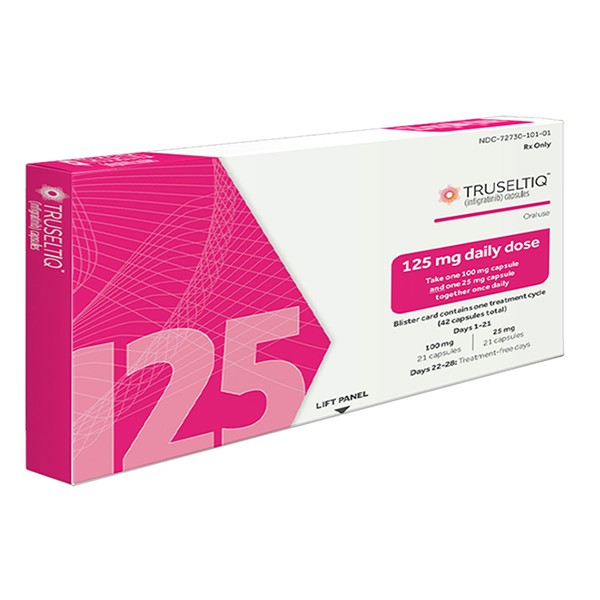
Infigratinib(Truseltiq)
Treatment of previously treated, unresectable locally advanced or metastatic...
Opicapone(Ongentys)
Opicapone(Ongentys)
Adjunctive treatment to levodopa/carbidopa for reducing "off" episodes in...
Deflazacort(Emflaza)
Treatment of Duchenne muscular dystrophy (DMD) in patients aged 2 years and...
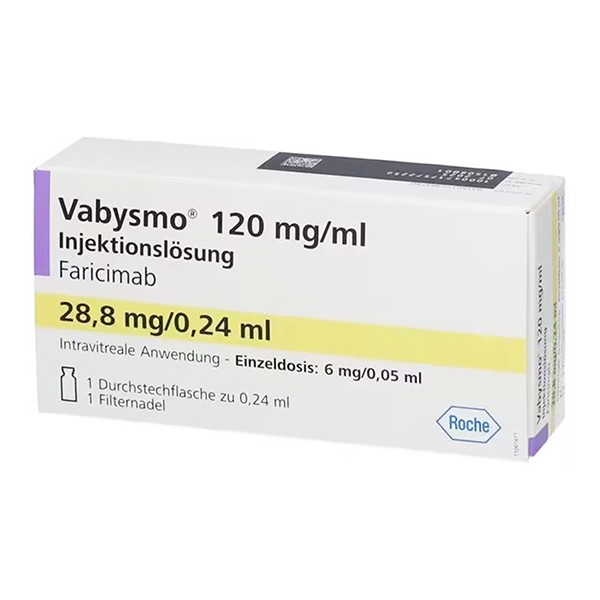
Faricimab-svoa(Vabysmo)
Treatment of neovascular age-related macular degeneration, diabetic macular...
Counselling Service
Global Drug Search
Clinical Research Recruitment
Overseas Medical Treatment
Remote Consultations
Note: Our medical consultant will contact you as soon as possible. We promise to strictly protect your privacy.
Submit
Business
  • Core products
  • Antitumor drugs
  • General drug
  • Antiviral drugs
  • Biological agents
Contact Us 
  • haiousales@gmail.com
Welcome to consult
Seagull Pharmacy.,Ltd All rights reserved