info@seagull-health.com
SeagullHealth
语言:
search
new
Precautions for the Use of Alemtuzumab Injection (Lemtrada)
502
Article source: Seagull Pharmacy
Oct 22, 2025

Alemtuzumab Injection (Lemtrada) is a CD52-directed cytolytic monoclonal antibody used for the treatment of relapsing forms of multiple sclerosis (MS). Due to its unique pharmacological effects and potential risks, strict adherence to medication guidelines and systematic monitoring are required during its use.

Precautions for the Use of Alemtuzumab Injection (Lemtrada)

1. Prevention of Severe Autoimmune Risks

(1) Alemtuzumab may induce a variety of severe autoimmune diseases, including immune thrombocytopenia (ITP), anti-glomerular basement membrane disease, and others.

(2) After receiving the medication, patients should be closely monitored for signs of bleeding tendency (such as abnormal bruising, epistaxis, hematuria) and manifestations of renal dysfunction (such as edema, decreased urine output).

(3) If any relevant symptoms occur, patients must seek medical attention immediately. Early intervention can significantly improve the prognosis.

2. Management of Infusion Reactions

(1) Severe reactions may occur during the infusion and within 24 hours after the infusion, including allergic reactions, myocardial ischemia, and even stroke.

(2) All infusions must be performed in a medical institution equipped with emergency equipment and under the supervision of professional personnel.

(3) Patients should be observed for at least 2 hours after the infusion. Medical staff should inform patients of the possible manifestations of delayed reactions and the corresponding emergency treatment measures.

3. Usage Restrictions in Special Populations

(1) Alemtuzumab is contraindicated in the following populations: patients allergic to the active ingredient or excipients, patients with human immunodeficiency virus (HIV) infection, and patients with active infections.

(2) Women of childbearing age must take effective contraceptive measures during the medication period and within 4 months after the last dose, as the drug may cause harm to the fetus.

(3) Lactating women should weigh the necessity of continued treatment to decide whether to discontinue the medication or stop breastfeeding.

4. Essential Pretreatment Measures

(1) Three days before the start of each treatment course, high-dose corticosteroids (such as 1000 mg methylprednisolone or an equivalent drug) should be administered in advance to reduce the risk of infusion reactions.

(2) Prophylactic treatment against herpes viruses should be initiated simultaneously from the first day of drug administration and continued for at least 2 months or until the CD4+ lymphocyte count recovers to more than 200 cells/μL, whichever is later.

5. Standards for Drug Preparation and Infusion

(1) Before use, visually inspect the drug solution to ensure it is clear and free of particles. Strict aseptic technique must be followed during dilution: inject 1.2 mL of the drug solution into 100 mL of normal saline or 5% glucose solution and mix gently.

(2) The diluted drug solution should be stored away from light and used within 8 hours.

(3) Sharing the infusion line with other drugs is strictly prohibited. Intravenous push or rapid infusion is also forbidden.

Medication Monitoring for Alemtuzumab Injection (Lemtrada)

1. Laboratory Monitoring

(1) Baseline examinations must be completed before medication administration, including complete blood count (CBC) with differential, serum creatinine, routine urinalysis and urine cell count, thyroid function, liver function, and coagulation function.

(2) Post-medication monitoring is divided into three phases: monthly monitoring of blood and urine routines until 48 months after the last dose; thyroid function testing every 3 months; and annual skin examinations to screen for melanoma.

2. Key Monitoring Items

(1) Hematological System Monitoring: Focus on thrombocytopenia (ITP). Monthly CBC monitoring enables early detection. Emergency intervention is required if the platelet count is ≤ 20,000/μL.(2) Renal Monitoring: Abnormal urine protein/creatinine ratio or hematuria indicates a possible occurrence of anti-GBM disease, which requires immediate evaluation.

(3) Thyroid Monitoring: 36.8% of patients develop thyroid diseases, including Graves' disease and thyroiditis, which require long-term follow-up.

Note: For internal discussion among medical personnel only. For specific medication, please consult the attending physician. Drug information may change over time. For the latest information, we recommend adding a medical consultant or consulting for free online.
Recommended Articles
How to Purchase Pacritinib (Vonjo)
Pacritinib (Vonjo) is a kinase inhibitor indicated for the treatment of intermediate- or high-risk primary or secondary myelofibrosis in patients with a platelet count below 50×10⁹/L. Due to its speci...
How to Use Lemtrada (Alemtuzumab Injection)
Lemtrada (Alemtuzumab Injection) is a CD52-directed cytolytic monoclonal antibody indicated for the treatment of relapsing multiple sclerosis (MS) in adults, including relapsing-remitting disease and ...
What Are the Side Effects of Fampyra (Dalfampridine Extended-Release Tablets)?
Fampyra (Dalfampridine Extended-Release Tablets) is a potassium channel blocker. Its active ingredient, dalfampridine, can improve walking ability in adult patients with multiple sclerosis (MS), and c...
Indications for Lemtrada (Alemtuzumab Injection)
Lemtrada (Alemtuzumab Injection) is a CD52-directed cytolytic monoclonal antibody, primarily indicated for the treatment of relapsing forms of multiple sclerosis (MS). As a therapeutic drug with speci...
Indications for Pacritinib (Vonjo)
Pacritinib (Vonjo) is a kinase inhibitor primarily indicated for the treatment of patients with specific types of myelofibrosis. As a therapeutic drug with special safety risks, its use must strictly ...
What Are the Side Effects of Pacritinib (Vonjo)?
Pacritinib (Vonjo) is a kinase inhibitor indicated for the treatment of intermediate- or high-risk primary or secondary myelofibrosis in patients with a platelet count below 50×10⁹/L. Although it demo...
How to Purchase Risdiplam Tablets (Evrysdi)
Risdiplam Tablets (Evrysdi) are an oral SMN2 splicing modifier indicated for the treatment of spinal muscular atrophy (SMA). Due to its specificity and potential risks, strict regulations must be foll...
Precautions for Pacritinib (Vonjo) Administration
Pacritinib (Vonjo) is a kinase inhibitor indicated for the treatment of intermediate- or high-risk primary or secondary (post-polycythemia vera or post-essential thrombocythemia) myelofibrosis in pati...
Related Articles
Dosage and Administration, Recommended Dosage of Capmatinib (Tabrecta)
Capmatinib (Tabrecta) is a highly selective MET inhibitor, offering a precision treatment option for patients with metastatic non-small cell lung cancer (NSCLC) harboring MET exon 14 skipping mutation...
What Are the Indications for Capmatinib (Tabrecta)?
Capmatinib (Tabrecta) is a targeted therapy medication that plays an important role in the treatment of non-small cell lung cancer associated with specific gene mutations. As a MET kinase inhibitor, i...
What Are the Purchase Channels for Capmatinib (Tabrecta)?
Capmatinib (Tabrecta) is a highly selective MET inhibitor that has demonstrated significant efficacy in patients with metastatic non-small cell lung cancer (NSCLC) harboring MET exon 14 skipping mutat...
Adverse Reactions of Ivosidenib (Tibsovo)
Ivosidenib (Tibsovo) is an isocitrate dehydrogenase 1 (IDH1) inhibitor, primarily indicated for the treatment of patients with acute myeloid leukemia, myelodysplastic syndromes, and cholangiocarcinoma...
What Are the Precautions for Using Ivosidenib (Tibsovo)?
Ivosidenib (Tibsovo) is a targeted therapy medication primarily indicated for the treatment of patients with malignant hematologic diseases harboring specific gene mutations.What Are the Precautions f...
Dosage and Administration, Recommended Dosage of Ivosidenib (Tibsovo)
Ivosidenib (Tibsovo) is a targeted isocitrate dehydrogenase 1 (IDH1) inhibitor that demonstrates significant value in the treatment of malignant tumors with specific gene mutations.Dosage and Administ...
What Are the Indications for Ivosidenib (Tibsovo)?
Ivosidenib (Tibsovo) is an oral isocitrate dehydrogenase-1 (IDH1) inhibitor indicated for patients with various malignant tumors harboring specific IDH1 gene mutations. By inhibiting the activity of m...
What Are the Purchase Channels for Ivosidenib (Tibsovo)?
Ivosidenib (Tibsovo) is an important targeted therapy drug against IDH1 mutations, demonstrating significant efficacy in diseases such as acute myeloid leukemia and cholangiocarcinoma. For patients in...
New Drugs
Infigratinib(Truseltiq)
Treatment of previously treated, unresectable locally advanced or metastatic...
Opicapone(Ongentys)
Opicapone(Ongentys)
Adjunctive treatment to levodopa/carbidopa for reducing "off" episodes in...
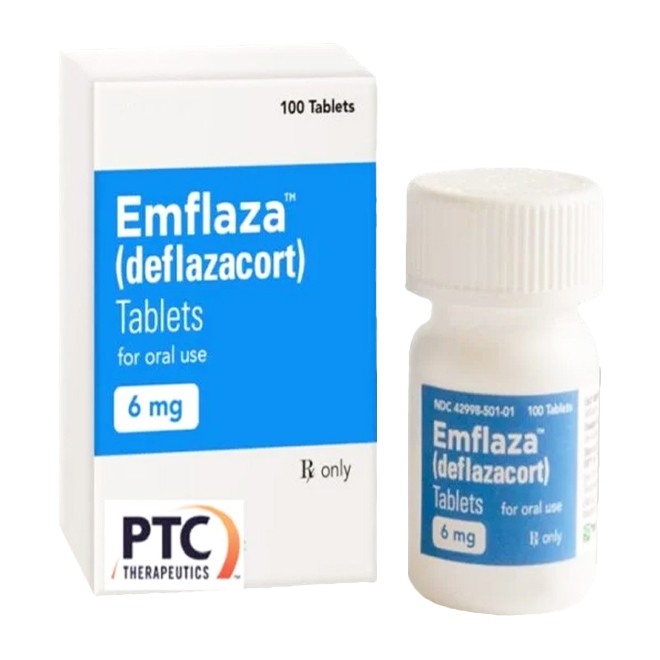
Deflazacort(Emflaza)
Treatment of Duchenne muscular dystrophy (DMD) in patients aged 2 years and...
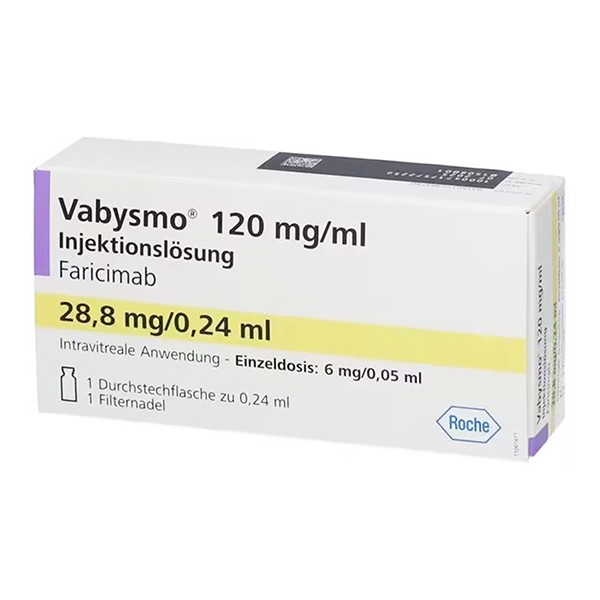
Faricimab-svoa(Vabysmo)
Treatment of neovascular age-related macular degeneration, diabetic macular...
Counselling Service
Global Drug Search
Clinical Research Recruitment
Overseas Medical Treatment
Remote Consultations
Note: Our medical consultant will contact you as soon as possible. We promise to strictly protect your privacy.
Submit
Business
  • Core products
  • Antitumor drugs
  • General drug
  • Antiviral drugs
  • Biological agents
Contact Us 
  • mailbox:info@lucius.la
Welcome to consult
ucius Pharmaceuticals (Lao) Co.,Ltd All rights reserved