info@seagull-health.com
SeagullHealth
语言:
search
new
How to Use Lemtrada (Alemtuzumab Injection)
503
Article source: Seagull Pharmacy
Oct 21, 2025

Lemtrada (Alemtuzumab Injection) is a CD52-directed cytolytic monoclonal antibody indicated for the treatment of relapsing multiple sclerosis (MS) in adults, including relapsing-remitting disease and active secondary progressive disease.

How to Use Lemtrada (Alemtuzumab Injection)

Standard Dosing Regimen

Alemtuzumab must be administered via intravenous infusion. The recommended dose is 12mg per day, following a treatment course model of "initial treatment + subsequent maintenance".

First treatment course: Intravenous infusion once daily for 5 consecutive days (total dose: 60mg).

Second treatment course: Intravenous infusion once daily for 3 consecutive days, 12 months after the first course (total dose: 36mg).

Subsequent treatment courses: If clinically necessary, administration may be given at least 12 months after the previous treatment, with intravenous infusion once daily for 3 consecutive days each time (total dose: 36mg).

Pretreatment Requirements

High-dose corticosteroids (1000mg methylprednisolone or equivalent) must be administered 3 days before the start of each treatment course.

Consider using antihistamines and/or antipyretics to prevent infusion reactions.

Drug Preparation

Withdraw 1.2mL (containing 12mg alemtuzumab) from a single-dose vial and inject it into 100mL of sterile 0.9% sodium chloride solution or 5% dextrose solution.

Gently invert to mix; shaking is not allowed.

After preparation, the solution can be stored protected from light at 15–25°C for no more than 8 hours, or refrigerated at 2–8°C.

Infusion Process

The infusion should last approximately 4 hours (no more than 8 hours from the completion of preparation).

The infusion must be performed under electrocardiographic (ECG) monitoring, with regular monitoring of vital signs.

Concurrent infusion with other drugs through the same intravenous access is prohibited.

Intravenous push or rapid infusion is not permitted.

Post-Infusion Observation

Observe the patient for at least 2 hours after each infusion (observation time may be extended based on clinical needs).

Inform the patient that infusion reactions may occur after the observation period and advise them to report symptoms promptly.

Dosage Adjustment of Lemtrada (Alemtuzumab Injection)

Hematological Monitoring

Perform complete blood count (CBC) with differential before treatment and monthly thereafter, continuing for 48 months after the last dose.

If immune thrombocytopenia (ITP) occurs, immediate intervention is required and discontinuation of the drug should be considered.

Renal Function Monitoring

Measure serum creatinine levels and perform urinalysis (including urine cell count) before treatment and monthly thereafter.

Further evaluation is needed if the urine protein/creatinine ratio exceeds 200mg/g.

Hepatic Function Monitoring

Assess alanine transaminase (ALT), aspartate transaminase (AST), and total bilirubin before treatment and at regular intervals.

Immediate evaluation is required if symptoms of hepatic dysfunction appear.

Thyroid Function Monitoring

Measure thyroid-stimulating hormone (TSH) levels before treatment and every 3 months thereafter, continuing for 48 months after the last dose.

Management of Infusion Reactions

Immediately stop the infusion if a severe infusion reaction occurs.

Determine whether to continue subsequent administrations based on the severity of the reaction.

Use of Lemtrada (Alemtuzumab Injection) in Special Populations

Pregnant and Lactating Women

Alemtuzumab may cause fetal harm, and cases of embryolethality have been reported.

Women of childbearing age should use effective contraception during treatment and for 4 months after the last dose.

Effects on Thyroid Function

Thyroid disease in pregnant women may increase the risk of miscarriage.

There have been cases where maternal antithyroid antibodies crossed the placenta, leading to neonatal Graves' disease.

Use During Lactation

It is unknown whether alemtuzumab is excreted into human milk.

A decision to discontinue the drug or stop breastfeeding should be made by weighing the benefits of breastfeeding against the potential risks.

Pediatric and Adolescent Patients

The efficacy of alemtuzumab in patients under 17 years of age has not been established.

Use in pediatric patients is not recommended (due to risks of autoimmunity, infusion reactions, stroke, and malignancy).

Note: For internal discussion among medical personnel only. For specific medication, please consult the attending physician. Drug information may change over time. For the latest information, we recommend adding a medical consultant or consulting for free online.
Recommended Articles
What Are the Side Effects of Fampyra (Dalfampridine Extended-Release Tablets)?
Fampyra (Dalfampridine Extended-Release Tablets) is a potassium channel blocker. Its active ingredient, dalfampridine, can improve walking ability in adult patients with multiple sclerosis (MS), and c...
Indications for Lemtrada (Alemtuzumab Injection)
Lemtrada (Alemtuzumab Injection) is a CD52-directed cytolytic monoclonal antibody, primarily indicated for the treatment of relapsing forms of multiple sclerosis (MS). As a therapeutic drug with speci...
How to Purchase Lemtrada (Alemtuzumab Injection)
Lemtrada (Alemtuzumab Injection) is a CD52-directed cytolytic monoclonal antibody used for the treatment of relapsing forms of multiple sclerosis (MS). Due to its specific safety and risk management r...
How to Use Therapeutic Agent for Vulgaris Vitiligo (Methoxsalen)
Therapeutic Agent for Vulgaris Vitiligo (Methoxsalen) is a photosensitive drug primarily used for treating skin diseases such as vulgaris vitiligo.How to Use Therapeutic Agent for Vulgaris Vitiligo (M...
How to Purchase Pacritinib (Vonjo)
Pacritinib (Vonjo) is a kinase inhibitor indicated for the treatment of intermediate- or high-risk primary or secondary myelofibrosis in patients with a platelet count below 50×10⁹/L. Due to its speci...
Precautions for the Use of Alemtuzumab Injection (Lemtrada)
Alemtuzumab Injection (Lemtrada) is a CD52-directed cytolytic monoclonal antibody used for the treatment of relapsing forms of multiple sclerosis (MS). Due to its unique pharmacological effects and po...
Indications for Pacritinib (Vonjo)
Pacritinib (Vonjo) is a kinase inhibitor primarily indicated for the treatment of patients with specific types of myelofibrosis. As a therapeutic drug with special safety risks, its use must strictly ...
What Are the Side Effects of Pacritinib (Vonjo)?
Pacritinib (Vonjo) is a kinase inhibitor indicated for the treatment of intermediate- or high-risk primary or secondary myelofibrosis in patients with a platelet count below 50×10⁹/L. Although it demo...
Related Articles
Dosage and Administration, Recommended Dosage of Capmatinib (Tabrecta)
Capmatinib (Tabrecta) is a highly selective MET inhibitor, offering a precision treatment option for patients with metastatic non-small cell lung cancer (NSCLC) harboring MET exon 14 skipping mutation...
What Are the Indications for Capmatinib (Tabrecta)?
Capmatinib (Tabrecta) is a targeted therapy medication that plays an important role in the treatment of non-small cell lung cancer associated with specific gene mutations. As a MET kinase inhibitor, i...
What Are the Purchase Channels for Capmatinib (Tabrecta)?
Capmatinib (Tabrecta) is a highly selective MET inhibitor that has demonstrated significant efficacy in patients with metastatic non-small cell lung cancer (NSCLC) harboring MET exon 14 skipping mutat...
Adverse Reactions of Ivosidenib (Tibsovo)
Ivosidenib (Tibsovo) is an isocitrate dehydrogenase 1 (IDH1) inhibitor, primarily indicated for the treatment of patients with acute myeloid leukemia, myelodysplastic syndromes, and cholangiocarcinoma...
What Are the Precautions for Using Ivosidenib (Tibsovo)?
Ivosidenib (Tibsovo) is a targeted therapy medication primarily indicated for the treatment of patients with malignant hematologic diseases harboring specific gene mutations.What Are the Precautions f...
Dosage and Administration, Recommended Dosage of Ivosidenib (Tibsovo)
Ivosidenib (Tibsovo) is a targeted isocitrate dehydrogenase 1 (IDH1) inhibitor that demonstrates significant value in the treatment of malignant tumors with specific gene mutations.Dosage and Administ...
What Are the Indications for Ivosidenib (Tibsovo)?
Ivosidenib (Tibsovo) is an oral isocitrate dehydrogenase-1 (IDH1) inhibitor indicated for patients with various malignant tumors harboring specific IDH1 gene mutations. By inhibiting the activity of m...
What Are the Purchase Channels for Ivosidenib (Tibsovo)?
Ivosidenib (Tibsovo) is an important targeted therapy drug against IDH1 mutations, demonstrating significant efficacy in diseases such as acute myeloid leukemia and cholangiocarcinoma. For patients in...
New Drugs
Infigratinib(Truseltiq)
Treatment of previously treated, unresectable locally advanced or metastatic...
Opicapone(Ongentys)
Opicapone(Ongentys)
Adjunctive treatment to levodopa/carbidopa for reducing "off" episodes in...
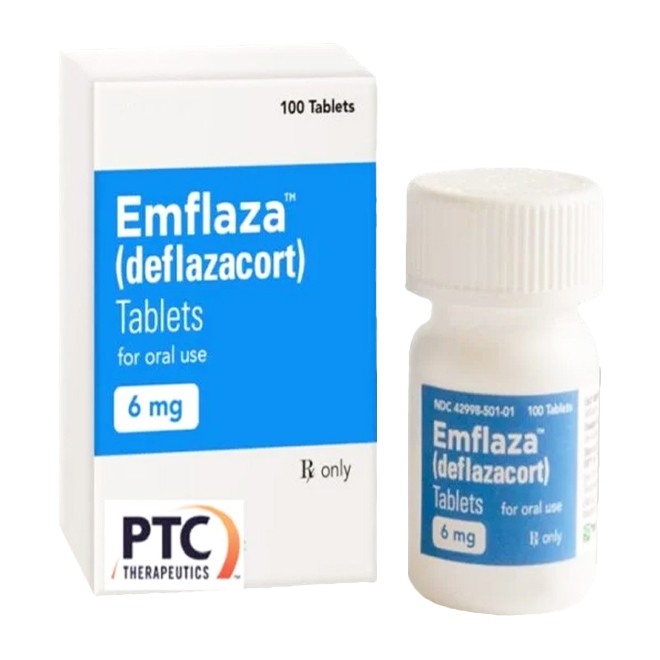
Deflazacort(Emflaza)
Treatment of Duchenne muscular dystrophy (DMD) in patients aged 2 years and...
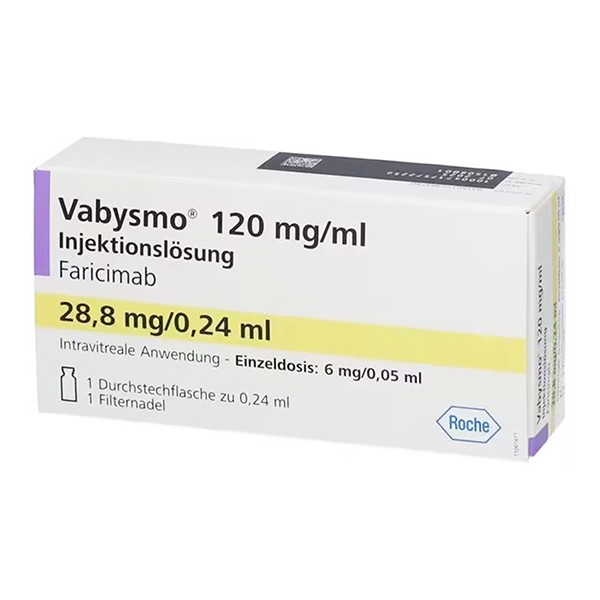
Faricimab-svoa(Vabysmo)
Treatment of neovascular age-related macular degeneration, diabetic macular...
Counselling Service
Global Drug Search
Clinical Research Recruitment
Overseas Medical Treatment
Remote Consultations
Note: Our medical consultant will contact you as soon as possible. We promise to strictly protect your privacy.
Submit
Business
  • Core products
  • Antitumor drugs
  • General drug
  • Antiviral drugs
  • Biological agents
Contact Us 
  • mailbox:info@lucius.la
Welcome to consult
ucius Pharmaceuticals (Lao) Co.,Ltd All rights reserved