

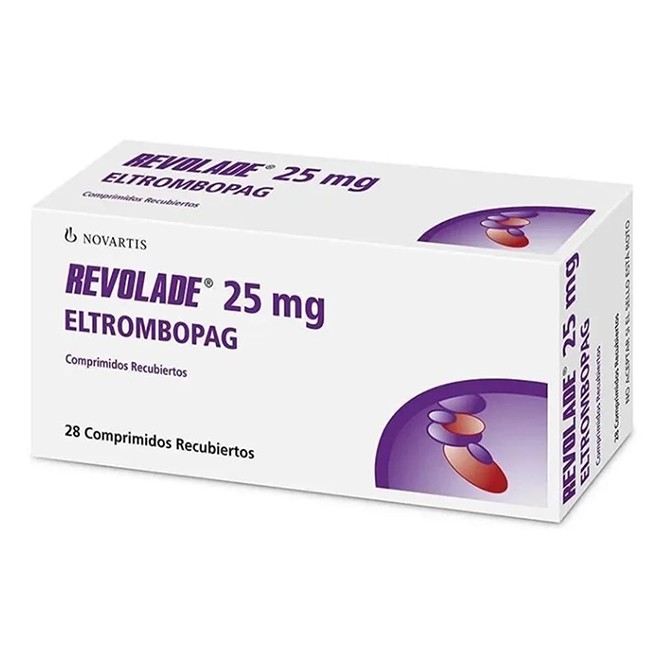
Although eltrombopag has no absolute contraindications, it has clear warnings and potential serious adverse reactions. Understanding these risks is a prerequisite for safe medication use.
I. Contraindications and Absolute Restrictions
1. No Traditional Contraindications
The eltrombopag prescribing information states "no contraindications," meaning there is no population absolutely prohibited from using it. However, this does not mean it can be used freely; strict restrictions are still required under certain disease states.
2. Myelodysplastic Syndromes (MDS)
Eltrombopag is not indicated for patients with MDS. Studies show that the drug may accelerate the progression of MDS to acute myeloid leukemia and increase the risk of death. MDS diagnosis must be clearly excluded before use.
3. Specific Restrictions for Chronic Hepatitis C
When used for thrombocytopenia associated with chronic hepatitis C, eltrombopag is only for scenarios that allow the initiation and maintenance of interferon therapy. If the patient has discontinued antiviral therapy, eltrombopag should also be discontinued at the same time.
II. Serious Adverse Reactions Requiring High Vigilance
1. Hepatotoxicity
Eltrombopag may cause severe or even life-threatening liver injury. ALT, AST, and bilirubin should be tested regularly before and during treatment. If transaminases are significantly elevated and persistent, accompanied by elevated bilirubin, or accompanied by symptoms of liver injury, treatment should be interrupted or permanently discontinued.
2. Thrombosis and Thromboembolic Complications
Excessive platelet counts increase the risk of arterial and venous thrombosis, including portal vein thrombosis. Patients with chronic liver disease, a history of thrombosis, or known thrombotic risk factors require particular caution. The treatment goal is to maintain platelets within a safe range, not to pursue normalization.
3. Hepatic Decompensation in Patients with Chronic Hepatitis C
When eltrombopag is combined with interferon and ribavirin for chronic hepatitis C, it may increase the risk of ascites and hepatic encephalopathy. Patients with low albumin or higher MELD scores are at greater risk and require close monitoring.
4. Cataracts
Cataracts may develop or worsen during treatment. A baseline ocular examination before treatment is recommended, and ocular symptoms should be monitored regularly during medication use.
III. Other Common and Noteworthy Adverse Reactions
1. Common Reactions in Adults
The most common adverse reactions in adults include anemia, nausea, fever, cough, fatigue, headache, and diarrhea. Some patients may experience elevated ALT/AST, myalgia, or sore throat.
2. Common Reactions in Children
In pediatric patients, upper respiratory tract infection, nasopharyngitis, cough, diarrhea, fever, and abdominal pain are relatively common. Some children may experience elevated ALT/AST or rash.
3. Special Risks in Patients with Chronic Liver Disease
In patients with chronic liver disease and thrombocytopenia, the use of eltrombopag may increase the risk of portal vein thrombosis. If abdominal pain, nausea, vomiting, or diarrhea occurs, portal vein thrombosis should be suspected and medical attention sought promptly.
4. Laboratory Test Interference
Eltrombopag is colored and may interfere with bilirubin and creatinine test results, causing false elevations or reductions. If test results are inconsistent with clinical findings, the laboratory should be informed and retesting by other methods should be considered.
5. Bleeding Risk After Discontinuation
After discontinuation, platelet counts may drop rapidly, and bleeding risk may rebound. Especially when anticoagulants or antiplatelet drugs are being used, discontinuation should be conducted under medical guidance, and activities that increase bleeding risk should continue to be avoided.

Free Inquiry