

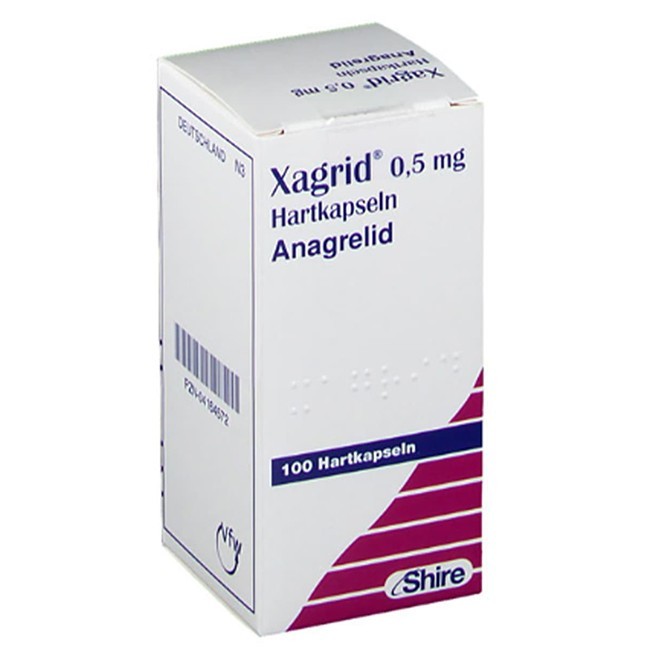
The use of anagrelide in special populations requires individualized assessment. The following explains key points by population category.
I. Pregnant and Breastfeeding Women
1. Use During Pregnancy
Available case reports have not identified an association between anagrelide and major birth defects, miscarriage, or adverse maternal or fetal outcomes. However, thrombocytosis during pregnancy itself increases the risk of miscarriage, stillbirth, and preeclampsia. Before use, the maternal thrombotic risk and potential fetal risk should be weighed, and the doctor should decide whether to continue treatment.
2. Use During Breastfeeding
Anagrelide and its metabolites can be secreted into rat milk, but whether they are secreted into human milk is unclear. Because of the potential for serious adverse reactions in a breastfed infant, including thrombocytopenia, breastfeeding is not recommended during treatment and for one week after the last dose.
3. Effects on Fertility
Animal studies suggest that anagrelide may impair female fertility. Women planning to become pregnant should discuss this with their doctor before use and consider adjusting the treatment plan if necessary.
II. Pediatric and Elderly Patients
1. Pediatric Patients
The safety and effectiveness of anagrelide have been established in children aged 7 years and older, but there are no data for children under 7 years. Pediatric dosing may refer to adult studies and pediatric pharmacokinetic data, with a starting dose of 0.5 mg daily. The types of adverse reactions in children are similar to those in adults, but heart rate, blood pressure, and bleeding tendency still need monitoring.
2. Elderly Patients
Elderly patients accounted for a relatively high proportion in clinical studies, and no overall differences in safety or effectiveness were observed compared with younger patients. However, older adults may have increased drug sensitivity, especially when cardiovascular disease or reduced liver and kidney function is present. Monitoring should be strengthened, and the dose adjusted if necessary.
3. Common Points for Pediatric and Elderly Patients
Both populations need regular checks of blood routine, liver and kidney function, and electrolytes. If palpitations, chest pain, difficulty breathing, or abnormal bleeding occur, medical attention should be sought promptly.
III. Patients with Hepatic or Renal Impairment
1. Hepatic Impairment
Anagrelide is mainly metabolized by the liver. In patients with moderate hepatic impairment (Child-Pugh 7-9), drug exposure is significantly increased, so the starting dose should be reduced to 0.5 mg daily, and cardiovascular events should be closely monitored. Dose escalation may be considered only after one week of tolerance, with weekly increments not exceeding 0.5 mg. Use should be avoided in patients with severe hepatic impairment.
2. Renal Impairment
Severe renal impairment (creatinine clearance below 30 mL/min) has no significant effect on the pharmacokinetics of anagrelide, and dose adjustment is usually not required. However, renal function should still be assessed regularly, and attention should be paid to possible nephrotoxic reactions caused by the drug.
3. Hepatic Function Monitoring Requirements
Hepatic function should be assessed before and during treatment. Patients with hepatic impairment have an increased risk of QT interval prolongation, so ECG changes should be monitored. If significant liver enzyme elevation or jaundice occurs, the drug should be stopped promptly and medical attention sought.

Free Inquiry