info@seagull-health.com
SeagullHealth
语言:
search
new
Adverse Reactions of Anagrelide (Agrylin)
502
Article source: Seagull Pharmacy
Jan 16, 2026

Anagrelide (Agrylin) is a medication indicated for the treatment of secondary thrombocytosis associated with myeloproliferative neoplasms. While demonstrating favorable clinical efficacy, its administration may be accompanied by a series of adverse reactions and potential risks.

Adverse Reactions of Anagrelide (Agrylin)

Common Reactions in Adult Patients (≥5%)

Nervous System: Headache (44%), dizziness (15%), paresthesia (6%).

Cardiovascular System: Palpitations (26%), tachycardia (8%), chest pain (8%).

Gastrointestinal System: Diarrhea (26%), nausea (17%), abdominal pain (16%), vomiting (10%), abdominal distension (10%), anorexia (8%).

General Disorders: Fatigue (23%), edema (21%), pain (15%), pyrexia (9%), peripheral edema (6%).

Respiratory System: Dyspnea (12%), cough (6%).

Pediatric Patients (Aged 7–16 Years)

The main adverse reactions include pyrexia, nasal congestion, headache, fatigue, palpitations, abdominal pain, back pain, anorexia, and muscle spasms.

Serious Adverse Reactions of Anagrelide (Agrylin)

Cardiovascular Toxicity

Anagrelide may prolong the QT interval and induce ventricular tachycardia.

All patients should undergo cardiovascular assessments, including electrocardiography (ECG), prior to treatment. Monitor patients for cardiovascular effects and conduct re-evaluation when necessary. Anagrelide has been shown to prolong the QT interval and increase heart rate in healthy volunteers.

Contraindications: Avoid use in patients with known risk factors for QT interval prolongation, such as congenital long QT syndrome, a history of documented QT interval prolongation, concomitant use of drugs that may prolong the QT interval, and hypokalemia.

Pulmonary Arterial Hypertension

Cases of pulmonary arterial hypertension associated with anagrelide use have been reported.

Prior to initiating treatment, evaluate patients for underlying cardiopulmonary diseases.

Bleeding Risk

Concomitant use of anagrelide with aspirin may increase the risk of bleeding.

Assess the potential risks and benefits of co-administering anagrelide with aspirin or other drugs that increase bleeding risk (e.g., anticoagulants, PDE3 inhibitors, NSAIDs, antiplatelet agents, SSRIs).

Other Serious Reactions

Hematologic System: Thrombocytopenia, anemia, ecchymosis.

Hepatobiliary System: Clinically significant hepatotoxicity (including symptomatic elevations of ALT/AST and elevations exceeding 3 times the upper limit of normal [ULN]).

Renal System: Tubulointerstitial nephritis.

Precautions for Anagrelide (Agrylin)

Use in Special Populations

Pregnancy: Available data have not identified drug-associated major birth defects, miscarriages, or adverse maternal-fetal outcomes.

Lactation: Breastfeeding is not recommended during treatment and for 1 week following the final dose.

Patients with Hepatic Impairment: Dose adjustment is required for patients with moderate to severe hepatic impairment; avoid use in patients with severe hepatic impairment.

Elderly Patients: No specific dose adjustment is required, but elderly patients may be more sensitive to the effects of the drug.

Drug Interactions

Other PDE3 Inhibitors: May potentiate positive inotropic effects.

Aspirin and Other Drugs Increasing Bleeding Risk: Concomitant use may elevate bleeding risk.

CYP1A2 Inhibitors (e.g., fluvoxamine, ciprofloxacin): May increase anagrelide exposure.

CYP1A2 Inducers (e.g., omeprazole): May decrease anagrelide exposure.

Monitoring Requirements

Prior to Treatment: Cardiovascular assessment, electrocardiography (ECG), baseline platelet count.

During Treatment: Platelet count (twice weekly for the first week, then at least once weekly), liver function, renal function, electrolytes.

Patients with Hepatic Impairment: Frequently monitor for QT interval prolongation and other cardiovascular adverse reactions.

Note: For internal discussion among medical personnel only. For specific medication, please consult the attending physician. Drug information may change over time. For the latest information, we recommend adding a medical consultant or consulting for free online.
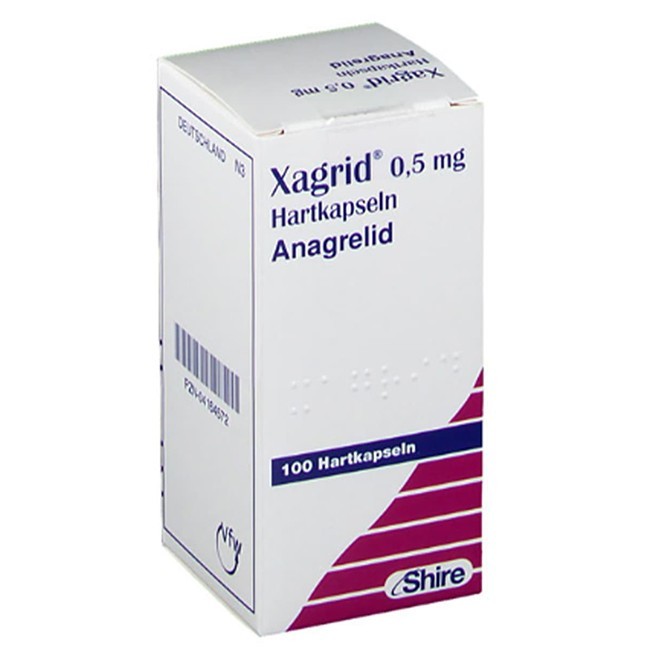
Anagrelide(Xagrid)
Anagrelide(Xagrid)
A platelet-reducing agent for treating thrombocythemia secondary to...
WeChat Scan
Free Inquiry
Recommended Articles
What are the Precautions for Anagrelide (Agrylin) Administration?
Anagrelide (Agrylin) is a prescription medication indicated for the treatment of thrombocythemia secondary to myeloproliferative neoplasms. It reduces the risk of thrombosis by lowering platelet count...
Dosage and Administration, Recommended Dosage of Anagrelide (Agrylin)
Anagrelide (Agrylin) is a prescription medication indicated for the treatment of thrombocytosis. Correct administration and dosage are crucial to its therapeutic efficacy and safety.Dosage and Adminis...
What Are the Indications for Anagrelide (Agrylin)?
Anagrelide (Agrylin) is an oral antiplatelet agent primarily indicated for the treatment of thrombocytosis caused by myeloproliferative neoplasms. By reducing platelet count, this medication lowers th...
Purchase Channels for Anagrelide (Agrylin)
Anagrelide (Agrylin) is a medication indicated for the treatment of secondary thrombocytosis associated with myeloproliferative neoplasms. It can effectively reduce platelet count, lower the risk of t...
What Are the Purchase Channels for Cabergoline?
Cabergoline is a dopamine receptor agonist primarily indicated for the treatment of hyperprolactinemia and its associated disorders.What Are the Purchase Channels for Cabergoline?Overseas PurchasePati...
What Are the Indications for Cabergoline?
Cabergoline is a prescription medication classified as an ergot derivative and dopamine receptor agonist.What Are the Indications for Cabergoline?Primary IndicationsCabergoline is approved in the Unit...
Cabergoline Dosage, Administration, and Recommended Doses
Cabergoline is a dopamine receptor agonist belonging to the class of ergot derivatives, primarily indicated for the treatment of hyperprolactinemia in adults. A clear understanding of its dosage and a...
What Are the Purchase Channels for Trabectedin (Yondelis)?
Trabectedin (Yondelis) is a prescription medication indicated for the treatment of specific types of soft tissue sarcomas (e.g., liposarcoma and leiomyosarcoma) in patients who have previously receive...
Related Articles
Adverse Reactions of Anagrelide (Agrylin)
Anagrelide (Agrylin) is a medication indicated for the treatment of secondary thrombocytosis associated with myeloproliferative neoplasms. While demonstrating favorable clinical efficacy, its administ...
What are the Precautions for Anagrelide (Agrylin) Administration?
Anagrelide (Agrylin) is a prescription medication indicated for the treatment of thrombocythemia secondary to myeloproliferative neoplasms. It reduces the risk of thrombosis by lowering platelet count...
Dosage and Administration, Recommended Dosage of Anagrelide (Agrylin)
Anagrelide (Agrylin) is a prescription medication indicated for the treatment of thrombocytosis. Correct administration and dosage are crucial to its therapeutic efficacy and safety.Dosage and Adminis...
What Are the Indications for Anagrelide (Agrylin)?
Anagrelide (Agrylin) is an oral antiplatelet agent primarily indicated for the treatment of thrombocytosis caused by myeloproliferative neoplasms. By reducing platelet count, this medication lowers th...
Purchase Channels for Anagrelide (Agrylin)
Anagrelide (Agrylin) is a medication indicated for the treatment of secondary thrombocytosis associated with myeloproliferative neoplasms. It can effectively reduce platelet count, lower the risk of t...
How Effective is Anagrelide (Agrylin) in Treatment?
Anagrelide (Agrylin) is a drug specifically used to treat thrombocythemia, and it is particularly suitable for secondary thrombocythemia associated with myeloproliferative neoplasms.How Effective is A...
What are the side effects of Anagrelide (Agrylin)?
Anagrelide (Agrylin) is a specific drug used to treat secondary thrombocythemia in myeloproliferative neoplasms. It reduces the risk of thrombosis by lowering platelet count. Its clinical use requires...
Indications for Anagrelide (Agrylin)
Anagrelide (Agrylin) is a thrombocytopenic agent primarily used to treat thrombocythemia caused by myeloproliferative neoplasms.Indications for Anagrelide (Agrylin)Reducing Elevated Platelet CountThis...
New Drugs
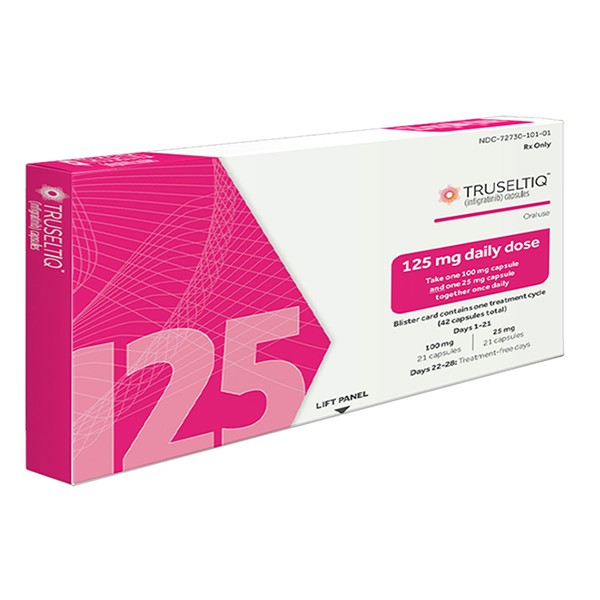
Infigratinib(Truseltiq)
Treatment of previously treated, unresectable locally advanced or metastatic...
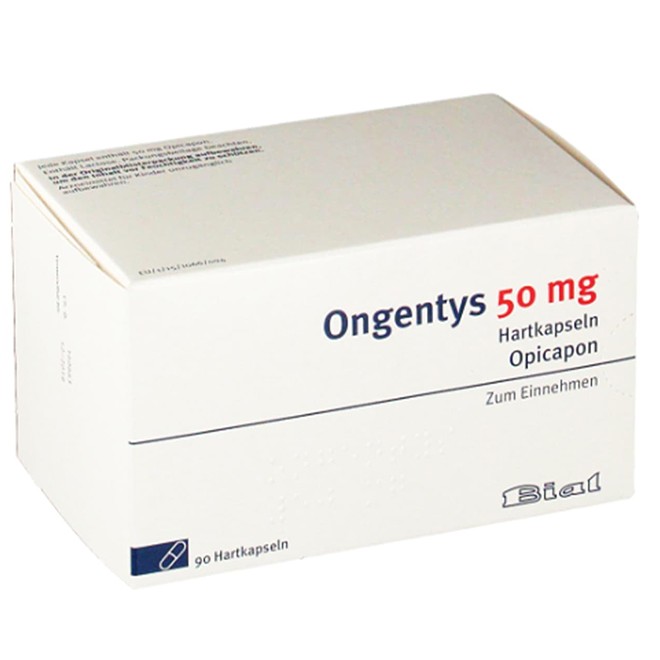
Opicapone(Ongentys)
Opicapone(Ongentys)
Adjunctive treatment to levodopa/carbidopa for reducing "off" episodes in...
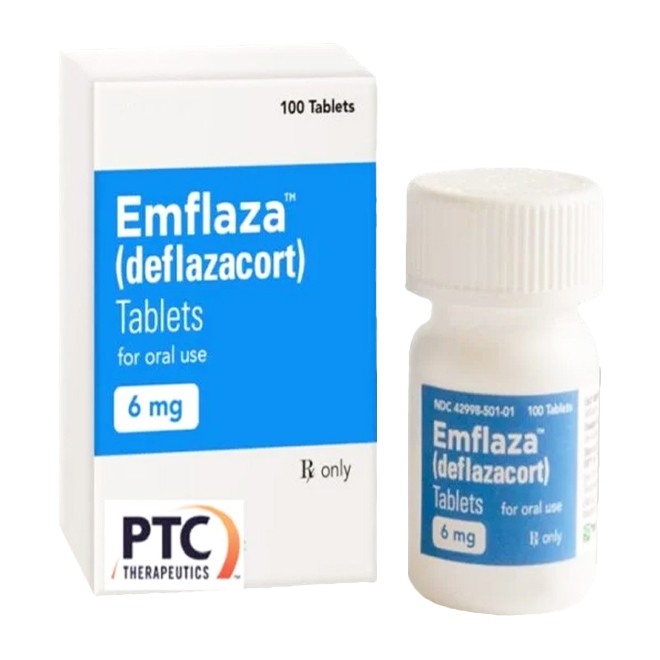
Deflazacort(Emflaza)
Treatment of Duchenne muscular dystrophy (DMD) in patients aged 2 years and...
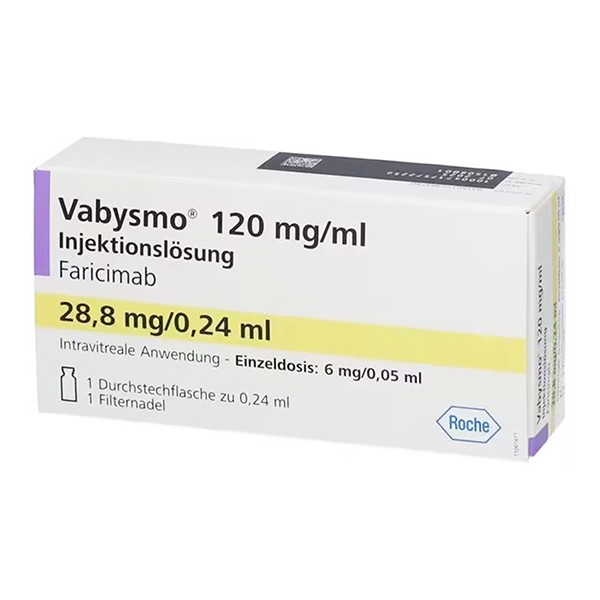
Faricimab-svoa(Vabysmo)
Treatment of neovascular age-related macular degeneration, diabetic macular...
Counselling Service
Global Drug Search
Clinical Research Recruitment
Overseas Medical Treatment
Remote Consultations
Note: Our medical consultant will contact you as soon as possible. We promise to strictly protect your privacy.
Submit
Business
  • Core products
  • Antitumor drugs
  • General drug
  • Antiviral drugs
  • Biological agents
Contact Us 
  • haiousales@gmail.com
Welcome to consult
Seagull Pharmacy.,Ltd All rights reserved