

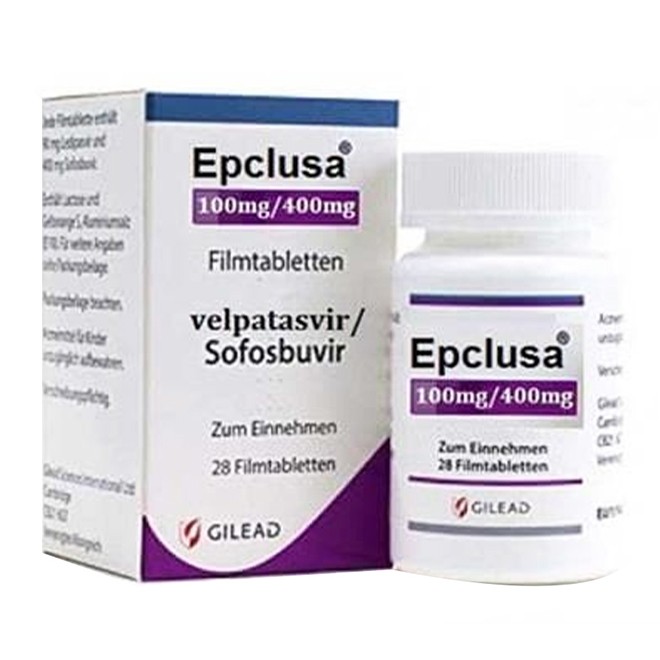
Epclusa is generally well tolerated, but contraindications and adverse reactions require special attention when combined with ribavirin. The following explains from three aspects.
I. Contraindications
1. Contraindications for combination with ribavirin
When Epclusa is used in combination with ribavirin, it is contraindicated in any patient for whom ribavirin is contraindicated. For specific contraindications, see the ribavirin prescribing information.
2. Pregnant women and people preparing for pregnancy
The regimen combined with ribavirin is contraindicated in pregnant women and in men whose female partners are pregnant. Strict contraception should be used during treatment and for 6 months after stopping treatment.
3. Severe renal impairment
For patients with severe renal impairment or end-stage renal disease, no recommended dosage can be given, mainly because exposure to the sofosbuvir metabolite is significantly increased and safety has not been established.
II. Common Adverse Reactions
1. Epclusa alone
The most common adverse reactions are headache and fatigue, mostly mild, and usually do not affect continued treatment.
2. Combined with ribavirin
In patients with decompensated cirrhosis receiving combination therapy with ribavirin, fatigue, anemia, nausea, headache, insomnia, and diarrhea are common. Some patients may need to adjust or stop ribavirin due to anemia.
3. Other less common reactions
A small number of patients may experience rash or depressed mood, generally mild to moderate, and they can resolve without special treatment.
III. Serious Adverse Reactions to Watch For
1. Bradycardia caused by combination with amiodarone
The combination of sofosbuvir and amiodarone may cause serious symptomatic bradycardia, especially in patients also using beta blockers, with underlying cardiac disease, or with advanced liver disease, where the risk is higher. The combination of the two drugs is not recommended; if it must be used together, heart rate should be monitored in the hospital for the first 48 hours, followed by daily monitoring for at least 2 weeks.
2. Recognition of bradycardia symptoms
If patients experience fainting or near fainting, dizziness, weakness, shortness of breath, chest pain, confusion, or memory problems, they should seek medical attention immediately.
3. Decreased efficacy due to drug interactions
P-gp inducers or moderate to potent CYP inducers such as rifampin, St. John's wort, and carbamazepine can reduce the blood concentration of Epclusa, leading to decreased efficacy, and concomitant use is not recommended.
4. Other risks of combination with ribavirin
Ribavirin can cause hemolytic anemia, and hemoglobin should be monitored during treatment. If obvious anemia occurs, seek medical attention promptly and adjust the dosage.

Free Inquiry