info@seagull-health.com
SeagullHealth
语言:
search
new
How to Use Empagliflozin
503
Article source: Seagull Pharmacy
Nov 04, 2025

Empagliflozin is a sodium-glucose cotransporter 2 (SGLT2) inhibitor that has demonstrated favorable efficacy in the management of diabetes mellitus, treatment of heart failure, and intervention for chronic kidney disease.

How to Use Empagliflozin

Dosage and Administration

The standard recommended dose of empagliflozin is 10 mg orally once daily, which can be taken in the morning with food or on an empty stomach.

If the patient tolerates the 10 mg dose well and requires further enhancement of blood glucose control, the dose may be increased to 25 mg once daily.

It is important to note that if the patient has concurrent renal impairment, the estimated glomerular filtration rate (eGFR) must be evaluated before medication use. When the eGFR is below 30 mL/min/1.73 m², empagliflozin is not recommended for blood glucose control.

Dosage Adjustment of Empagliflozin

Adjustment Based on Treatment Response

During the initial treatment phase, the 10 mg dose should be maintained for at least 4 weeks. The therapeutic effect is determined by monitoring glycated hemoglobin (HbA1c) and fasting plasma glucose (FPG) levels.

If blood glucose control does not meet the target, the dose may be increased to 25 mg.

If a dose is missed, it should be taken as soon as the patient remembers. However, a double dose should not be taken when it is time for the next scheduled dose.

Dosage Adjustment in Patients with Renal Impairment

For patients with moderate renal impairment (eGFR between 30–60 mL/min/1.73 m²), the benefits and risks of medication use must be carefully evaluated.

There is a lack of relevant study data to support the use of empagliflozin in patients with a persistent eGFR below 20 mL/min/1.73 m² or those who have undergone dialysis.

Medication Use in Special Populations for Empagliflozin

Use in Elderly Patients

Elderly patients (≥75 years old) are more prone to adverse reactions related to hypovolemia and urinary tract infections.

Use in Patients with Chronic Kidney Disease

Empagliflozin is indicated for adult patients with chronic kidney disease at risk of progression. It can significantly reduce the risk of persistent eGFR decline, end-stage renal disease, cardiovascular death, and hospitalization.

However, it is not recommended for patients with polycystic kidney disease, those requiring intravenous immunosuppressive therapy, or those who have recently used a prednisone equivalent dose >45 mg.

Note: For internal discussion among medical personnel only. For specific medication, please consult the attending physician. Drug information may change over time. For the latest information, we recommend adding a medical consultant or consulting for free online.
Recommended Articles
How to Use Leqembi (Lecanemab)
Leqembi (lecanemab) is a humanized immunoglobulin G1 monoclonal antibody targeting aggregated forms of beta-amyloid, used for the treatment of Alzheimer's disease.How to Use Leqembi (Lecanemab)Cor...
How to Purchase Leqembi (Lecanemab)
Leqembi (lecanemab) is a monoclonal antibody targeting aggregated forms of beta-amyloid, used for the treatment of Alzheimer's disease. This medication must be initiated during the mild cognitive ...
Indications for Empagliflozin
As a sodium-glucose cotransporter 2 (SGLT2) inhibitor, Empagliflozin holds a crucial position in diabetes management and cardiorenal protection.Indications for EmpagliflozinHeart Failure Treatment and...
How to Purchase Empagliflozin
As a sodium-glucose cotransporter 2 (SGLT2) inhibitor, Empagliflozin has shown good efficacy in the treatment of type 2 diabetes mellitus, heart failure, and chronic kidney disease. With its increasin...
Precautions for Empagliflozin Administration
Empagliflozin is a sodium-glucose cotransporter 2 (SGLT2) inhibitor that holds an important position in the treatment of type 2 diabetes mellitus, heart failure, and chronic kidney disease.Precautions...
What Are the Side Effects of Empagliflozin?
Empagliflozin is a sodium-glucose cotransporter 2 (SGLT2) inhibitor that has demonstrated favorable efficacy in the treatment of type 2 diabetes mellitus, heart failure, and chronic kidney disease. As...
Indications for Azithromycin Tablets
Azithromycin Tablets are a representative macrolide antibiotic. With their unique pharmacokinetic properties and broad antibacterial spectrum, they hold an important position in clinical practice.Indi...
How to Use Azithromycin Tablets
Azithromycin Tablets are macrolide antibacterial agents, widely used for the treatment of mild to moderate infections caused by specific susceptible bacteria. To use azithromycin appropriately, strict...
Related Articles
Dosage and Administration, Recommended Dose of Elacestrant (Orserdu)
Elacestrant (Orserdu) is a selective estrogen receptor degrader (SERD), which provides an important treatment option for patients with estrogen receptor-positive, HER2-negative advanced or metastatic ...
What Are the Indications for Elacestrant (Orserdu)?
Elacestrant (Orserdu) is a novel endocrine therapy agent that demonstrates significant value in the treatment of advanced breast cancer with specific gene mutations. As an estrogen receptor antagonist...
What Are the Purchase Channels for Elacestrant (Orserdu)?
With the advancement of medical technology, elacestrant (Orserdu), a targeted drug for breast cancer with specific gene mutations, has brought new treatment options for patients. As the first oral sel...
Adverse Reactions of Capmatinib (Tabrecta)
Capmatinib (Tabrecta) is a highly selective MET inhibitor indicated for the treatment of patients with advanced non-small cell lung cancer harboring MET gene mutations. By precisely inhibiting the act...
What are the Precautions for Capmatinib (Tabrecta) Administration?
Capmatinib (Tabrecta) is a targeted therapy drug for MET gene mutations, demonstrating significant efficacy in the treatment of advanced malignancies such as non-small cell lung cancer.What are the Pr...
Dosage and Administration, Recommended Dosage of Capmatinib (Tabrecta)
Capmatinib (Tabrecta) is a highly selective MET inhibitor, offering a precision treatment option for patients with metastatic non-small cell lung cancer (NSCLC) harboring MET exon 14 skipping mutation...
What Are the Indications for Capmatinib (Tabrecta)?
Capmatinib (Tabrecta) is a targeted therapy medication that plays an important role in the treatment of non-small cell lung cancer associated with specific gene mutations. As a MET kinase inhibitor, i...
What Are the Purchase Channels for Capmatinib (Tabrecta)?
Capmatinib (Tabrecta) is a highly selective MET inhibitor that has demonstrated significant efficacy in patients with metastatic non-small cell lung cancer (NSCLC) harboring MET exon 14 skipping mutat...
New Drugs
Infigratinib(Truseltiq)
Treatment of previously treated, unresectable locally advanced or metastatic...
Opicapone(Ongentys)
Opicapone(Ongentys)
Adjunctive treatment to levodopa/carbidopa for reducing "off" episodes in...
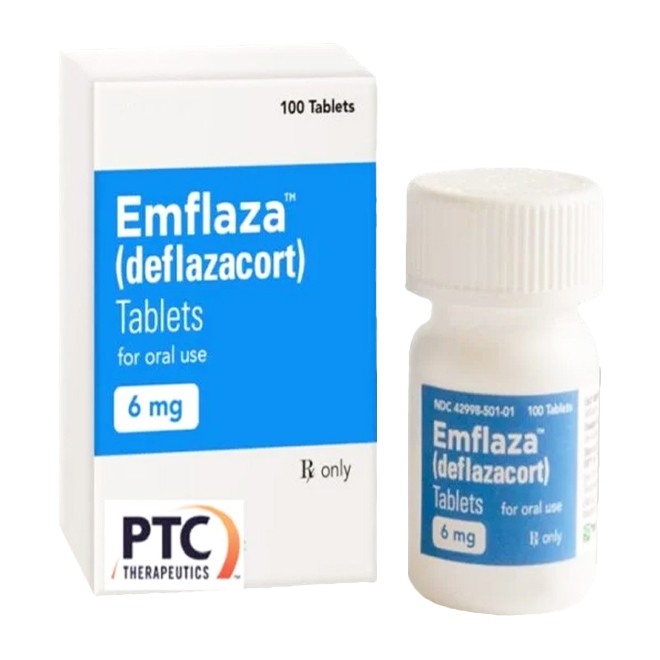
Deflazacort(Emflaza)
Treatment of Duchenne muscular dystrophy (DMD) in patients aged 2 years and...
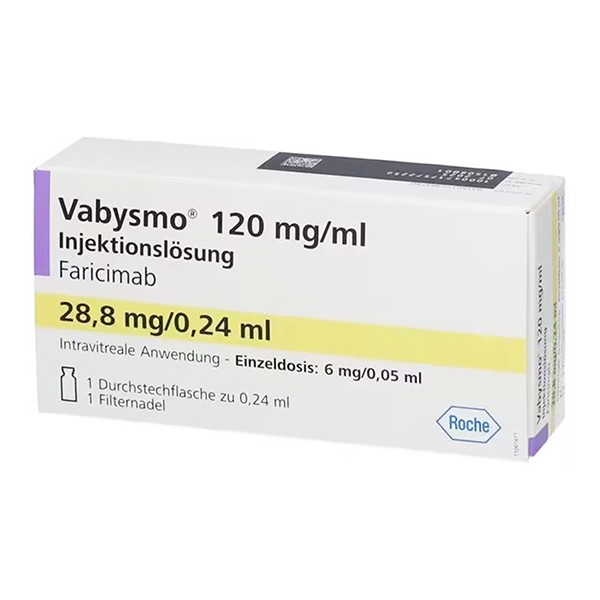
Faricimab-svoa(Vabysmo)
Treatment of neovascular age-related macular degeneration, diabetic macular...
Counselling Service
Global Drug Search
Clinical Research Recruitment
Overseas Medical Treatment
Remote Consultations
Note: Our medical consultant will contact you as soon as possible. We promise to strictly protect your privacy.
Submit
Business
  • Core products
  • Antitumor drugs
  • General drug
  • Antiviral drugs
  • Biological agents
Contact Us 
  • mailbox:info@lucius.la
Welcome to consult
ucius Pharmaceuticals (Lao) Co.,Ltd All rights reserved