info@seagull-health.com
SeagullHealth
语言:
search
new
Indications for Azithromycin Tablets
502
Article source: Seagull Pharmacy
Nov 04, 2025

Azithromycin Tablets are a representative macrolide antibiotic. With their unique pharmacokinetic properties and broad antibacterial spectrum, they hold an important position in clinical practice.

Indications for Azithromycin Tablets

Adult Indications

Acute bacterial exacerbation of chronic bronchitis (caused by Haemophilus influenzae, Moraxella catarrhalis, or Streptococcus pneumoniae).

Acute bacterial sinusitis.

Community-acquired pneumonia (for patients suitable for oral treatment).

Pharyngitis/tonsillitis (as an alternative for patients who cannot tolerate first-line treatment).

Uncomplicated skin and skin structure infections.

Pediatric Indications

Acute otitis media (for children aged 6 months and older).

Community-acquired pneumonia (for children aged 6 months and older).

Pharyngitis/tonsillitis (for children aged 2 years and older).

Contraindications for Use

Patients with a known hypersensitivity to azithromycin, erythromycin, any macrolide antibiotics, or ketolide antibiotics.

Patients with a history of cholestatic jaundice/hepatic dysfunction following previous use of azithromycin.

Restricted Use Cases

Patients with cystic fibrosis.

Patients with hospital-acquired infections.

Patients with known or suspected bacteremia.

Patients requiring hospitalization.

Elderly or debilitated patients.

Specifications and Properties of Azithromycin Tablets

Tablet Specifications

250 mg tablets: Pink, modified capsule-shaped, scored film-coated tablets. One side is engraved with "PFIZER" and the other side with "306"; some batches are engraved with "Pfizer" and "ZTM250".

500 mg tablets: Pink, modified capsule-shaped, scored film-coated tablets, engraved with "Pfizer" and "ZTM500".

Oral Suspension Specifications

100 mg/5 mL suspension.

200 mg/5 mL suspension.

Storage Methods for Azithromycin Tablets

Storage Requirements for Tablets

Storage temperature range: 15°C - 30°C (59°F - 86°F).

Store in the original packaging with the seal intact.

Detailed Storage Rules for Suspension

Dry powder storage: Store at a temperature below 30°C (86°F).

Storage after reconstitution: Storage temperature range: 5°C - 30°C (41°F - 86°F).

Use the reconstituted suspension within 10 days.

Discard any remaining medicinal solution immediately after complete administration.

Note: For internal discussion among medical personnel only. For specific medication, please consult the attending physician. Drug information may change over time. For the latest information, we recommend adding a medical consultant or consulting for free online.
Recommended Articles
What Are the Side Effects of Empagliflozin?
Empagliflozin is a sodium-glucose cotransporter 2 (SGLT2) inhibitor that has demonstrated favorable efficacy in the treatment of type 2 diabetes mellitus, heart failure, and chronic kidney disease. As...
Precautions for Empagliflozin Administration
Empagliflozin is a sodium-glucose cotransporter 2 (SGLT2) inhibitor that holds an important position in the treatment of type 2 diabetes mellitus, heart failure, and chronic kidney disease.Precautions...
How to Use Empagliflozin
Empagliflozin is a sodium-glucose cotransporter 2 (SGLT2) inhibitor that has demonstrated favorable efficacy in the management of diabetes mellitus, treatment of heart failure, and intervention for ch...
How to Use Leqembi (Lecanemab)
Leqembi (lecanemab) is a humanized immunoglobulin G1 monoclonal antibody targeting aggregated forms of beta-amyloid, used for the treatment of Alzheimer's disease.How to Use Leqembi (Lecanemab)Cor...
How to Use Azithromycin Tablets
Azithromycin Tablets are macrolide antibacterial agents, widely used for the treatment of mild to moderate infections caused by specific susceptible bacteria. To use azithromycin appropriately, strict...
Precautions for Administration of Azithromycin Tablets (Azithromycin)
Azithromycin Tablets (Azithromycin) belong to the class of macrolide antibiotics and are widely used in the treatment of respiratory tract infections, skin and soft tissue infections, as well as sexua...
What Are the Side Effects of Azithromycin Tablets (Azithromycin)?
Azithromycin Tablets (Azithromycin) are an important member of macrolide antibiotics and play a key role in the treatment of respiratory tract, skin, and sexually transmitted infections. As a highly e...
How to Purchase Riociguat Tablets (Adempas)
Riociguat Tablets (Adempas) is a soluble guanylate cyclase stimulant, mainly used for the treatment of chronic thromboembolic pulmonary hypertension and pulmonary arterial hypertension.How to Purchase...
Related Articles
Dosage and Administration, Recommended Dose of Elacestrant (Orserdu)
Elacestrant (Orserdu) is a selective estrogen receptor degrader (SERD), which provides an important treatment option for patients with estrogen receptor-positive, HER2-negative advanced or metastatic ...
What Are the Indications for Elacestrant (Orserdu)?
Elacestrant (Orserdu) is a novel endocrine therapy agent that demonstrates significant value in the treatment of advanced breast cancer with specific gene mutations. As an estrogen receptor antagonist...
What Are the Purchase Channels for Elacestrant (Orserdu)?
With the advancement of medical technology, elacestrant (Orserdu), a targeted drug for breast cancer with specific gene mutations, has brought new treatment options for patients. As the first oral sel...
Adverse Reactions of Capmatinib (Tabrecta)
Capmatinib (Tabrecta) is a highly selective MET inhibitor indicated for the treatment of patients with advanced non-small cell lung cancer harboring MET gene mutations. By precisely inhibiting the act...
What are the Precautions for Capmatinib (Tabrecta) Administration?
Capmatinib (Tabrecta) is a targeted therapy drug for MET gene mutations, demonstrating significant efficacy in the treatment of advanced malignancies such as non-small cell lung cancer.What are the Pr...
Dosage and Administration, Recommended Dosage of Capmatinib (Tabrecta)
Capmatinib (Tabrecta) is a highly selective MET inhibitor, offering a precision treatment option for patients with metastatic non-small cell lung cancer (NSCLC) harboring MET exon 14 skipping mutation...
What Are the Indications for Capmatinib (Tabrecta)?
Capmatinib (Tabrecta) is a targeted therapy medication that plays an important role in the treatment of non-small cell lung cancer associated with specific gene mutations. As a MET kinase inhibitor, i...
What Are the Purchase Channels for Capmatinib (Tabrecta)?
Capmatinib (Tabrecta) is a highly selective MET inhibitor that has demonstrated significant efficacy in patients with metastatic non-small cell lung cancer (NSCLC) harboring MET exon 14 skipping mutat...
New Drugs
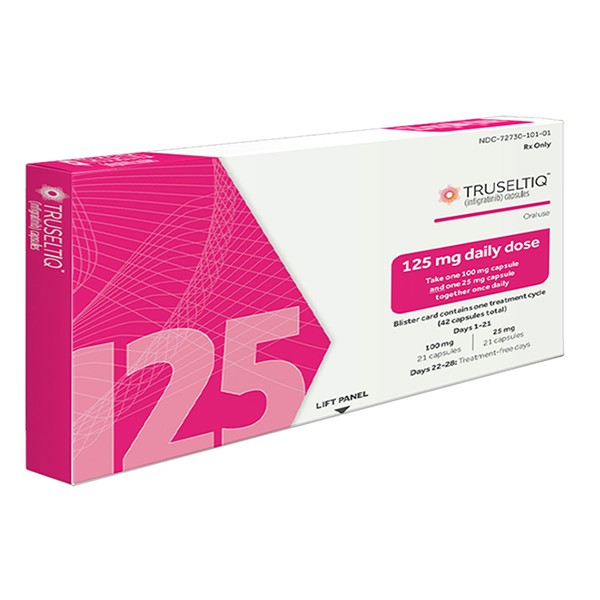
Infigratinib(Truseltiq)
Treatment of previously treated, unresectable locally advanced or metastatic...
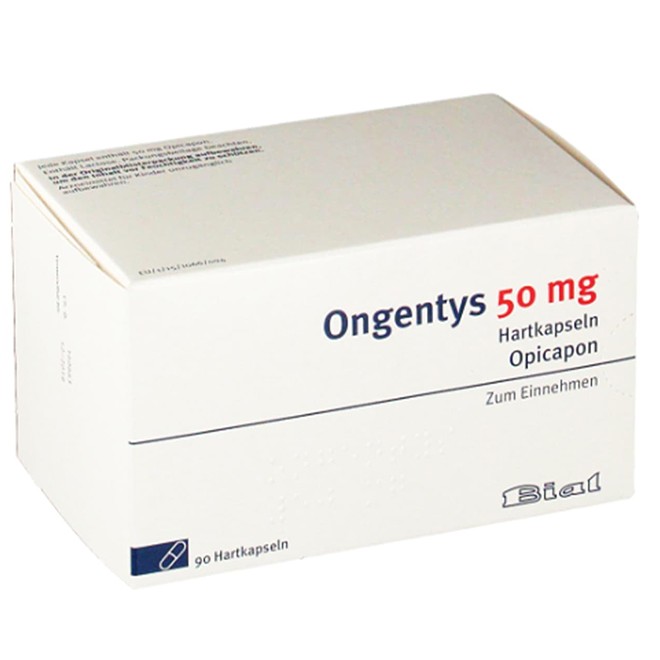
Opicapone(Ongentys)
Opicapone(Ongentys)
Adjunctive treatment to levodopa/carbidopa for reducing "off" episodes in...
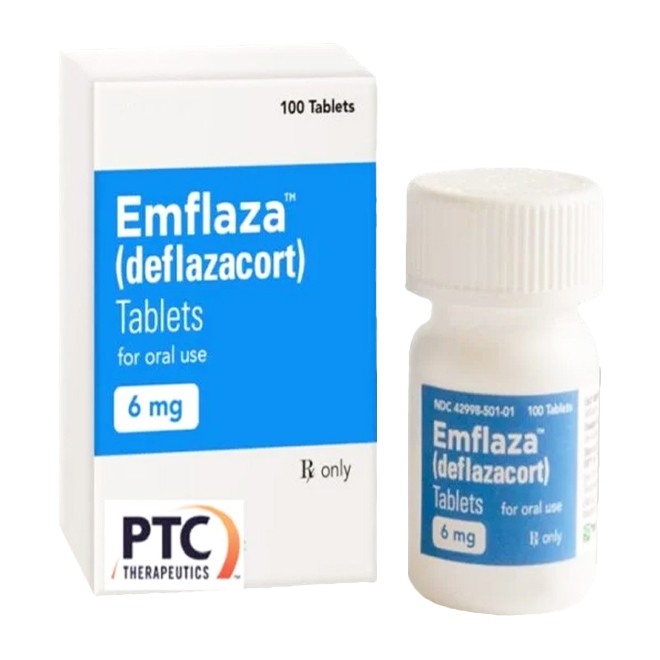
Deflazacort(Emflaza)
Treatment of Duchenne muscular dystrophy (DMD) in patients aged 2 years and...
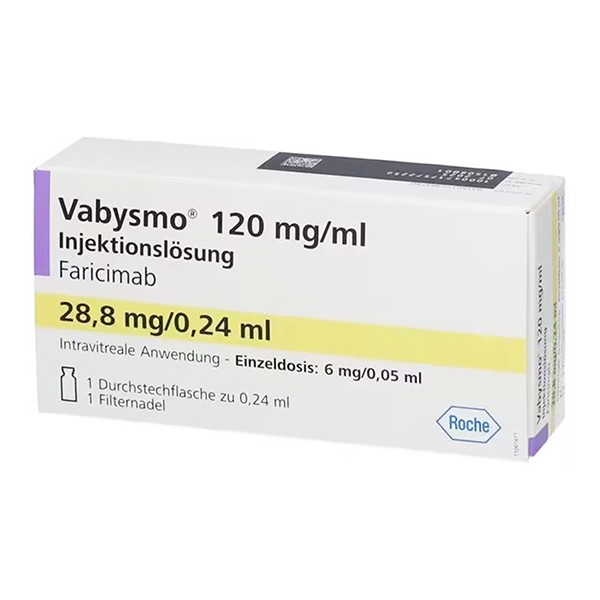
Faricimab-svoa(Vabysmo)
Treatment of neovascular age-related macular degeneration, diabetic macular...
Counselling Service
Global Drug Search
Clinical Research Recruitment
Overseas Medical Treatment
Remote Consultations
Note: Our medical consultant will contact you as soon as possible. We promise to strictly protect your privacy.
Submit
Business
  • Core products
  • Antitumor drugs
  • General drug
  • Antiviral drugs
  • Biological agents
Contact Us 
  • mailbox:info@lucius.la
Welcome to consult
ucius Pharmaceuticals (Lao) Co.,Ltd All rights reserved