info@seagull-health.com
SeagullHealth
语言:
search
new
Major Side Effects of Propafenone Hydrochloride
501
Article source: Seagull Pharmacy
May 18, 2026

Propafenone Hydrochloride (Rythmol) is a potent Class Ic antiarrhythmic agent, but its use is associated with a range of potential side effects.

I. Major Side Effects of Propafenone Hydrochloride

1. Common Adverse Reactions (Incidence >5%)

(1) Mainly involve the gastrointestinal tract, central nervous system, and cardiovascular system, including: taste disturbance, nausea and/or vomiting, dizziness, constipation, headache, fatigue, first-degree atrioventricular block, and intraventricular conduction delay.

(2) Among these, taste disturbance, nausea/vomiting, dizziness, and constipation are the primary reasons leading to drug discontinuation.

2. Serious Adverse Reactions Requiring Vigilance

(1) Proarrhythmic effects: This is one of the most serious risks.

(2) Heart failure: The drug has negative inotropic effects and may induce or worsen heart failure, especially in patients with underlying cardiac disease.

(3) Cardiac conduction disturbances: May cause or worsen conduction blocks, such as second- or third-degree atrioventricular block, sinus bradycardia, bundle branch block, etc. Therefore, it should not be used in patients with sick sinus syndrome or conduction block without a pacemaker.

(4) Agranulocytosis: May occur within the first 2 months of treatment, presenting as a sharp decline in white blood cell count, increasing infection risk. Patients should report any unexplained fever, sore throat, or chills to their doctor immediately.

3. Other Reported Adverse Reactions

Other less common but noteworthy reactions include: blurred vision, dyspnea, palpitations, tremor, loss of appetite, diarrhea, ataxia, rash, abnormal liver function, and positive antinuclear antibodies (ANA), etc.

II. Strategies for Managing and Mitigating Side Effects

1. Prevention and Initial Management

(1) Individualized dose titration: Physicians typically start with a low dose (e.g., 150 mg every 8 hours) and gradually increase based on response, which helps reduce early adverse reactions.

(2) Avoid contraindications and at-risk populations: Ensure absence of contraindications such as heart failure, severe conduction block, bradycardia, Brugada syndrome, etc., before use.

(3) Manage drug interactions: Actively inform your doctor of all medications you are taking, especially CYP2D6 (e.g., paroxetine) and CYP3A4 (e.g., ketoconazole, erythromycin) inhibitors that affect drug metabolism, as well as drugs that may be affected like digoxin and warfarin.

2. Monitoring and Response During Treatment

(1) Close ECG monitoring: Regular ECG monitoring must be performed before and during treatment to assess changes in PR interval and QRS duration, as well as for new arrhythmias.

(2) Timely symptom reporting: Inform your doctor of any unusual feelings.

(3) Emergency management of serious reactions: If symptoms such as difficulty breathing, severe dizziness, fainting, worsening palpitations, or swelling in the limbs (potentially indicating heart failure or serious arrhythmia) occur, stop taking the drug immediately and seek emergency medical help.

III. Proper Storage of Propafenone Hydrochloride

1. Storage Temperature

Store the medication in an environment at 20°C to 25°C.

2. Storage Environment Requirements

(1) Tablets should be kept in their original light-resistant, well-sealed container to protect against light and moisture that could affect efficacy.

(2) Always tighten the cap securely after each use.

3. Safe Storage

Always store all medications out of the reach of children to prevent accidental ingestion.

Note: For internal discussion among medical personnel only. For specific medication, please consult the attending physician. Drug information may change over time. For the latest information, we recommend adding a medical consultant or consulting for free online.
Recommended Articles
Indications, Contraindications and Medication Guidelines for Special Populations of Pomalidomide
Pomalidomide is a potent immunomodulatory agent used for the treatment of specific hematologic malignancies and sarcomas.I. Indications for Pomalidomide1. Multiple MyelomaPomalidomide in combination w...
Pomalidomide: Side Effects, Mitigation Methods and Storage Guidelines
Pomalidomide has clear efficacy in the treatment of multiple myeloma and Kaposi sarcoma, but is also associated with various adverse reactions.I. Common side effects of pomalidomide1. Hematologic toxi...
Ophthalmic Solution for Improving Regulatory Function (Sancoba Ophthalmic Solution) Side Effects, Countermeasures and Storage Guidelines
This article details the known side effects, relief measures, and storage requirements of Sancoba ophthalmic solution (a ciliary function-improving eye drop) to help users use this product safely and ...
Accommodation Function Improvement Eye Drops (Sancoba Eye Drops): Usage, Precautions and Healthy Lifestyle
This article systematically introduces the usage, dosage, precautions, and supportive healthy lifestyle measures for the ophthalmic solution for improving accommodative function (Sancoba eye drops), h...
Dosage and Administration Guidelines of Propafenone Hydrochloride (Rythmol)
Propafenone Hydrochloride (Rythmol) is a class Ic antiarrhythmic agent primarily used to prolong the time to recurrence of symptomatic atrial fibrillation (AF) and paroxysmal supraventricular tachycar...
What are the common side effects of Momelotinib
Momelotinib is a targeted therapy used for the treatment of intermediate/high-risk myelofibrosis with anemia. Understanding its common side effects, mastering management strategies, and proper storage...
What is Momelotinib?
Momelotinib is an oral kinase inhibitor indicated for the treatment of adults with intermediate or high-risk myelofibrosis with anemia, including primary and secondary myelofibrosis.I. What is Momelot...
Common Side Effects of Infigratinib
Infigratinib has shown clear efficacy in the treatment of FGFR2-mutant cholangiocarcinoma, but may also cause various side effects.I. Common Side Effects1. Ocular Side Effects:(1) The most common ocul...
Related Articles
Mercaptopurine Tablets: Side Effect Management and Storage Guidelines
Mercaptopurine is a chemotherapy drug used to treat acute lymphoblastic leukemia. Understanding its side effects, mastering relief methods, and proper storage are crucial for treatment safety.1. Commo...
Indications, contraindications, and use in special populations for Mercaptopurine Tablets
Mercaptopurine is a chemotherapy drug used to treat acute lymphoblastic leukemia. Clarifying its indications, contraindications, and key points for use in special populations is crucial for treatment ...
Major Side Effects of Cevimeline
Cevimeline is used to improve dry mouth caused by Sjögren's syndrome, but it may cause various side effects when used.I. Major Side Effects of Cevimeline1. Digestive System Side Effects(1) The mos...
Cevimeline: Indications, Contraindications, and Use in Special Populations
Cevimeline is a cholinergic agonist that primarily promotes salivation by stimulating M receptors in the salivary glands.I. Indications1. Core IndicationCevimeline is indicated only for the improvemen...
Indications of Infigratinib
Infigratinib is an oral kinase inhibitor targeting FGFR2, indicated for patients with specific gene mutations in cholangiocarcinoma.I. Indications1. Infigratinib is indicated for adult patients with p...
Common Side Effects of Infigratinib
Infigratinib has shown clear efficacy in the treatment of FGFR2-mutant cholangiocarcinoma, but may also cause various side effects.I. Common Side Effects1. Ocular Side Effects:(1) The most common ocul...
What is Momelotinib?
Momelotinib is an oral kinase inhibitor indicated for the treatment of adults with intermediate or high-risk myelofibrosis with anemia, including primary and secondary myelofibrosis.I. What is Momelot...
What are the common side effects of Momelotinib
Momelotinib is a targeted therapy used for the treatment of intermediate/high-risk myelofibrosis with anemia. Understanding its common side effects, mastering management strategies, and proper storage...
New Drugs
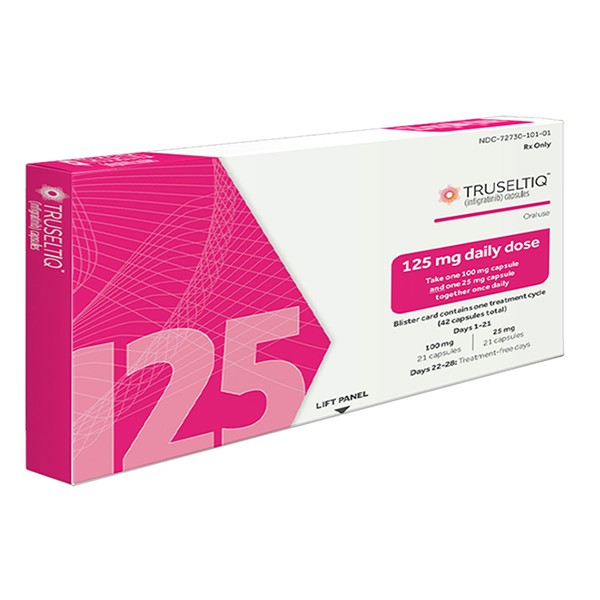
Infigratinib(Truseltiq)
Treatment of previously treated, unresectable locally advanced or metastatic...
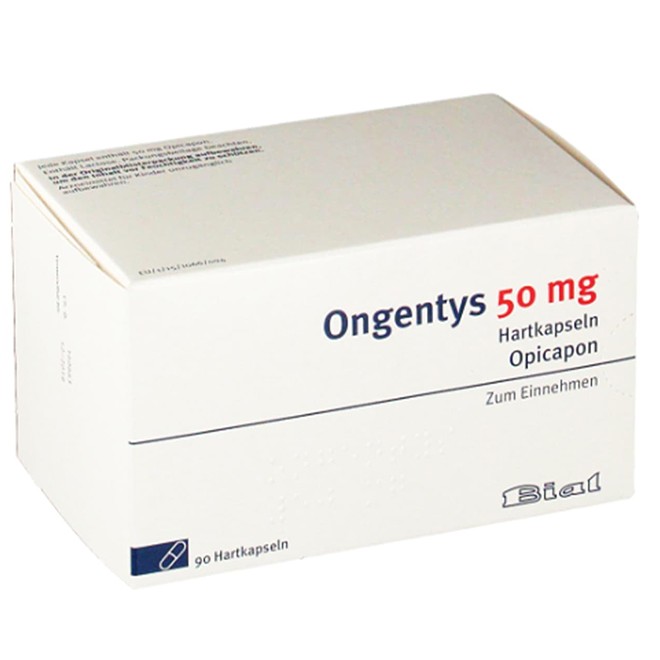
Opicapone(Ongentys)
Opicapone(Ongentys)
Adjunctive treatment to levodopa/carbidopa for reducing "off" episodes in...
Deflazacort(Emflaza)
Treatment of Duchenne muscular dystrophy (DMD) in patients aged 2 years and...
Faricimab-svoa(Vabysmo)
Treatment of neovascular age-related macular degeneration, diabetic macular...
Counselling Service
Global Drug Search
Clinical Research Recruitment
Overseas Medical Treatment
Remote Consultations
Note: Our medical consultant will contact you as soon as possible. We promise to strictly protect your privacy.
Submit
Business
  • Core products
  • Antitumor drugs
  • General drug
  • Antiviral drugs
  • Biological agents
Contact Us 
  • haiousales@gmail.com
Welcome to consult
Seagull Pharmacy.,Ltd All rights reserved