info@seagull-health.com
SeagullHealth
语言:
search
new
Indications, contraindications, and use in special populations for Mercaptopurine Tablets
501
Article source: Seagull Pharmacy
May 22, 2026

Mercaptopurine is a chemotherapy drug used to treat acute lymphoblastic leukemia. Clarifying its indications, contraindications, and key points for use in special populations is crucial for treatment safety.

I. Indications

1. Acute Lymphoblastic Leukemia (ALL)

(1) Mercaptopurine is indicated for adult and pediatric patients with acute lymphoblastic leukemia (ALL) as part of a combination chemotherapy maintenance regimen.

(2) This drug is a nucleoside metabolism inhibitor that suppresses tumor cell proliferation by interfering with DNA and RNA synthesis in cancer cells.

2. Prerequisites for Use

(1) This product is only used during the maintenance phase of ALL treatment, not for induction therapy or other types of leukemia.

(2) It must be used as part of combination chemotherapy and not as a single agent.

II. Contraindications and Prohibited Substances/Foods

1. Formal Contraindications

There are no absolute contraindications for mercaptopurine. However, note that this product is not indicated for off-label uses such as inflammatory bowel disease, where its use may increase the risk of severe adverse reactions (e.g., hepatosplenic T-cell lymphoma).

2. Prohibited Foods and Drug Interactions

(1) Allopurinol: When using allopurinol concurrently with mercaptopurine, the mercaptopurine dose should be reduced to one-third to one-quarter of the original dose. Allopurinol inhibits the metabolism of mercaptopurine and can lead to severe myelosuppression.

(2) Live virus vaccines: During treatment, immune function is suppressed; live virus vaccines (e.g., MMR, varicella, live attenuated influenza nasal spray) are contraindicated due to the risk of severe infection.

(3) Foods: No specific foods are contraindicated, but it is important to maintain a consistent administration method (always with food or always on an empty stomach) and avoid alternating between fed and fasted states.

3. Substances Requiring Caution

(1) Warfarin: May reduce anticoagulant effect; monitor INR.

(2) Other myelosuppressive drugs: e.g., co-trimoxazole, can worsen myelosuppression.

(3) Aminosalicylates (e.g., mesalazine, sulfasalazine): Inhibit TPMT enzyme and increase the risk of myelosuppression.

III. Use in Special Populations

1. Pregnant Women

(1) Mercaptopurine can cause fetal harm.

(2) Exposure during the first trimester increases the risk of miscarriage; exposure during the second or third trimester can cause fetal death.

(3) If intrahepatic cholestasis of pregnancy occurs during treatment, the drug should be discontinued.

(4) Women of childbearing potential should use effective contraception during treatment and for 6 months after stopping treatment.

2. Breastfeeding Women

(1) No data are available on the presence of the drug in human milk.

(2) Because of the potential for serious adverse reactions in breastfed infants, breastfeeding is not recommended during treatment and for 1 week after the last dose.

3. Men and Women of Childbearing Age

(1) Women: Pregnancy status should be confirmed before treatment; effective contraception is required during treatment and for 6 months after discontinuation.

(2) Men: For those with female partners of childbearing potential, effective contraception is required during treatment and for 3 months after the last dose.

(3) Fertility: Animal studies have shown impaired fertility; long-term effects and reversibility in humans are unknown.

4. Pediatric Patients

(1) Safety and efficacy have been established.

(2) Special attention: Symptomatic hypoglycemia may occur in children under 6 years of age or those with low body mass index.

(3) Patients weighing less than 17 kg cannot be accurately dosed with the 50 mg strength.

5. Elderly Patients (65 years and older)

Generally start at the low end of the dosing range, as elderly patients more often have decreased hepatic, renal, or cardiac function and concurrent diseases.

6. Patients with Renal Impairment

For patients with creatinine clearance below 50 mL/min, the lowest recommended starting dose should be used, or the dosing interval extended to every 36-48 hours, with adjustments based on neutrophil counts.

7. Patients with Hepatic Impairment

(1) Use the lowest recommended starting dose and adjust based on tolerability and blood counts.

(2) During treatment, monitor transaminases, alkaline phosphatase, and bilirubin weekly, then monthly.

8. Patients with TPMT or NUDT15 Gene Deficiency

(1) Homozygous deficiency: Requires only 10% or less of the standard dose.

(2) Heterozygous deficiency: Most tolerate standard doses, but some may require dose reduction.

(3) East Asian descent: Higher prevalence of NUDT15 deficiency (approximately 21% heterozygous, 2% homozygous); special attention is needed.

Note: For internal discussion among medical personnel only. For specific medication, please consult the attending physician. Drug information may change over time. For the latest information, we recommend adding a medical consultant or consulting for free online.
Recommended Articles
Major Side Effects of Cevimeline
Cevimeline is used to improve dry mouth caused by Sjögren's syndrome, but it may cause various side effects when used.I. Major Side Effects of Cevimeline1. Digestive System Side Effects(1) The mos...
Cevimeline: Indications, Contraindications, and Use in Special Populations
Cevimeline is a cholinergic agonist that primarily promotes salivation by stimulating M receptors in the salivary glands.I. Indications1. Core IndicationCevimeline is indicated only for the improvemen...
Indications of Infigratinib
Infigratinib is an oral kinase inhibitor targeting FGFR2, indicated for patients with specific gene mutations in cholangiocarcinoma.I. Indications1. Infigratinib is indicated for adult patients with p...
Common Side Effects of Infigratinib
Infigratinib has shown clear efficacy in the treatment of FGFR2-mutant cholangiocarcinoma, but may also cause various side effects.I. Common Side Effects1. Ocular Side Effects:(1) The most common ocul...
Mercaptopurine Tablets: Side Effect Management and Storage Guidelines
Mercaptopurine is a chemotherapy drug used to treat acute lymphoblastic leukemia. Understanding its side effects, mastering relief methods, and proper storage are crucial for treatment safety.1. Commo...
Related Articles
Mercaptopurine Tablets: Side Effect Management and Storage Guidelines
Mercaptopurine is a chemotherapy drug used to treat acute lymphoblastic leukemia. Understanding its side effects, mastering relief methods, and proper storage are crucial for treatment safety.1. Commo...
Indications, contraindications, and use in special populations for Mercaptopurine Tablets
Mercaptopurine is a chemotherapy drug used to treat acute lymphoblastic leukemia. Clarifying its indications, contraindications, and key points for use in special populations is crucial for treatment ...
Major Side Effects of Cevimeline
Cevimeline is used to improve dry mouth caused by Sjögren's syndrome, but it may cause various side effects when used.I. Major Side Effects of Cevimeline1. Digestive System Side Effects(1) The mos...
Cevimeline: Indications, Contraindications, and Use in Special Populations
Cevimeline is a cholinergic agonist that primarily promotes salivation by stimulating M receptors in the salivary glands.I. Indications1. Core IndicationCevimeline is indicated only for the improvemen...
Indications of Infigratinib
Infigratinib is an oral kinase inhibitor targeting FGFR2, indicated for patients with specific gene mutations in cholangiocarcinoma.I. Indications1. Infigratinib is indicated for adult patients with p...
Common Side Effects of Infigratinib
Infigratinib has shown clear efficacy in the treatment of FGFR2-mutant cholangiocarcinoma, but may also cause various side effects.I. Common Side Effects1. Ocular Side Effects:(1) The most common ocul...
What is Momelotinib?
Momelotinib is an oral kinase inhibitor indicated for the treatment of adults with intermediate or high-risk myelofibrosis with anemia, including primary and secondary myelofibrosis.I. What is Momelot...
What are the common side effects of Momelotinib
Momelotinib is a targeted therapy used for the treatment of intermediate/high-risk myelofibrosis with anemia. Understanding its common side effects, mastering management strategies, and proper storage...
New Drugs
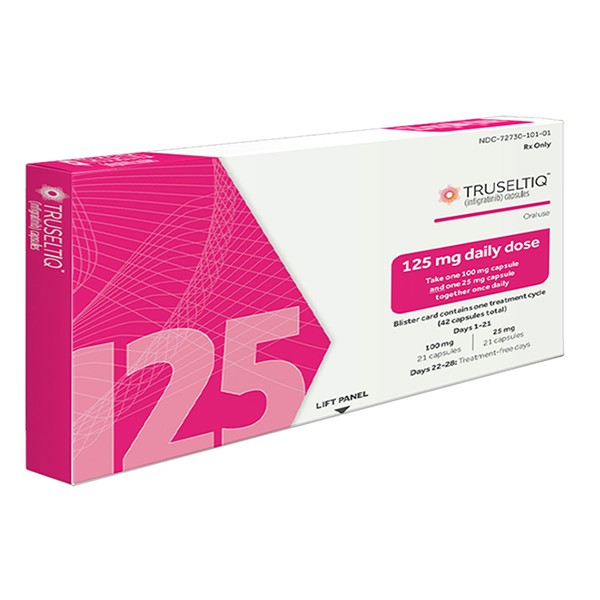
Infigratinib(Truseltiq)
Treatment of previously treated, unresectable locally advanced or metastatic...
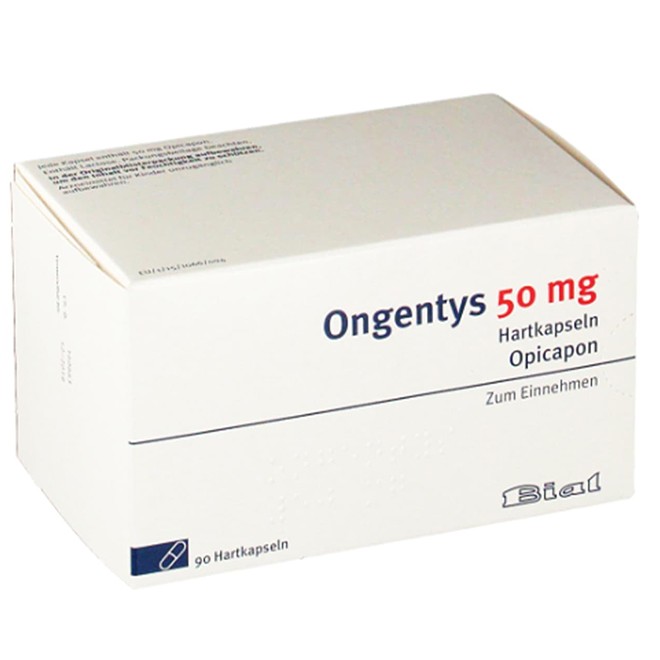
Opicapone(Ongentys)
Opicapone(Ongentys)
Adjunctive treatment to levodopa/carbidopa for reducing "off" episodes in...
Deflazacort(Emflaza)
Treatment of Duchenne muscular dystrophy (DMD) in patients aged 2 years and...
Faricimab-svoa(Vabysmo)
Treatment of neovascular age-related macular degeneration, diabetic macular...
Counselling Service
Global Drug Search
Clinical Research Recruitment
Overseas Medical Treatment
Remote Consultations
Note: Our medical consultant will contact you as soon as possible. We promise to strictly protect your privacy.
Submit
Business
  • Core products
  • Antitumor drugs
  • General drug
  • Antiviral drugs
  • Biological agents
Contact Us 
  • haiousales@gmail.com
Welcome to consult
Seagull Pharmacy.,Ltd All rights reserved