info@seagull-health.com
SeagullHealth
语言:
search
new
What Are the Side Effects of Sabril (Vigabatrin)?
502
Article source: Seagull Pharmacy
Nov 13, 2025

Sabril (Vigabatrin) is an antiepileptic drug primarily used for the treatment of refractory complex partial seizures and infantile spasms. While this medication has shown favorable efficacy in controlling specific types of epileptic seizures, it is accompanied by a series of side effects and medication-related risks that require special attention.

What Are the Side Effects of Sabril (Vigabatrin)?

Adverse Reactions in Adult Patients

The most common adverse reactions in adult patients taking Sabril include blurred vision, drowsiness, dizziness, abnormal coordination, tremors, and fatigue.

The incidence rates are as follows: blurred vision (13%), drowsiness (22%), dizziness (24%), tremors (15%), and fatigue (23%).

Unique Reactions in Pediatric Patients (Aged 2–16 Years)

Weight gain is one of the most prominent adverse reactions in pediatric patients aged 2–16 years, with an incidence rate of 15%.

Pediatric patients may also experience neurological symptoms such as drowsiness (6%), nystagmus (4%), and tremors (4%).

Reactions in Infants with Infantile Spasms (Aged 1 Month–2 Years)

Clinical observations in infants with infantile spasms (aged 1 month to 2 years) show that those taking Sabril are prone to side effects including drowsiness (45%), bronchitis (30%), ear infections (10%), and acute otitis media (10%).

Severe Side Effects of Sabril (Vigabatrin)

Permanent Vision Damage

Most serious warning: Sabril can cause permanent bilateral concentric visual field constriction, including tunnel vision, which may result in disability.

In some cases, Sabril may also damage the central retina and reduce visual acuity.

The onset of vision loss is unpredictable—it may occur within weeks or even earlier after starting treatment, at any time during treatment, or even months or years later.

Symptoms of vision loss are unlikely to be recognized by patients or caregivers before the vision loss becomes severe.

Even if detected, vision loss caused by Sabril is irreversible.

Neurological Risks

Abnormal MRI signal changes: Characteristic MRI signal changes have been observed in some infants treated for infantile spasms, manifested as increased T2-weighted signals and restricted diffusion, symmetrically involving the thalamus, basal ganglia, brainstem, and cerebellum.

Suicidal behavior and ideation: Similar to other antiepileptic drugs, Sabril may increase the risk of suicidal thoughts or behaviors in patients.

Severe Reactions in Other Systems

Anemia: In North American controlled trials, 6% of Sabril-treated patients reported anemia and/or met the criteria for potentially clinically significant hematological changes. An average decrease of approximately 3% in hemoglobin and 1% in hematocrit was observed.

Peripheral neuropathy: Sabril can cause symptoms of peripheral neuropathy in adult patients.

Precautions for Using Sabril (Vigabatrin)

Strict Requirements for Vision Monitoring

It is recommended to conduct vision assessments at baseline (no more than 4 weeks after starting Sabril treatment), at least every 3 months during treatment, and approximately 3–6 months after treatment discontinuation.

Warnings for Medication Use in Special Populations

Mild renal impairment (CLcr > 50–80 mL/min): The dose should be reduced by 25%.

Moderate renal impairment (CLcr > 30–50 mL/min): The dose should be reduced by 50%.

Severe renal impairment (CLcr > 10–30 mL/min): The dose should be reduced by 75%.

Pregnancy and lactation: Based on animal data, Sabril may cause fetal harm.

Special Reminder for Medication Discontinuation

Do not discontinue abruptly: Sabril should be discontinued gradually; sudden discontinuation may trigger withdrawal seizures.

Key Points for Patient Education

Regular vision monitoring is required during Sabril treatment.

Any changes in vision must be reported to healthcare providers immediately.

The emergence of suicidal thoughts or changes in behavior requires urgent medical attention.

Note: For internal discussion among medical personnel only. For specific medication, please consult the attending physician. Drug information may change over time. For the latest information, we recommend adding a medical consultant or consulting for free online.
Recommended Articles
Precautions for Using Sabril (Vigabatrin)
Sabril (Vigabatrin) is an antiepileptic drug with unique efficacy in the treatment of refractory complex partial seizures and infantile spasms. This medication may cause severe adverse reactions, part...
How to Use Sabril (Vigabatrin)
Sabril (Vigabatrin) is an antiepileptic drug used to treat specific types of epileptic seizures, with its main active ingredient being vigabatrin.How to Use Sabril (Vigabatrin)Administration Route and...
How to Purchase Sabril (Vigabatrin)
Sabril (vigabatrin) is a medication used for the treatment of refractory complex partial seizures and infantile spasms. Due to its specific safety risks, it is subject to strict regulation in many cou...
How to Use Budesonide Sustained-Release Capsules (Entocort)
Budesonide Sustained-Release Capsules (Entocort) contain budesonide as the active ingredient and are a type of synthetic corticosteroid medication. This drug is mainly used to treat mild to moderate a...
How to Purchase Resmetirom (Rezdiffra)
Resmetirom (Rezdiffra) is the first drug approved by the U.S. FDA in 2024 for the treatment of non-cirrhotic non-alcoholic steatohepatitis (NASH). Its standardized acquisition and authenticity identif...
Indications for Resmetirom (Rezdiffra)
Resmetirom (Rezdiffra) is a thyroid hormone receptor-beta agonist approved for marketing by the U.S. Food and Drug Administration (FDA) in 2024. When used in combination with diet and exercise, this m...
How to Use Resmetirom (Rezdiffra)
Resmetirom (Rezdiffra) is a thyroid hormone receptor-beta agonist approved for marketing by the U.S. FDA in 2024. When used in combination with diet and exercise, this medication is indicated for the ...
Precautions for Using Resmetirom (Rezdiffra)
Resmetirom (Rezdiffra) is a thyroid hormone receptor-beta (THR-β) agonist and the first targeted drug approved for the treatment of non-cirrhotic non-alcoholic steatohepatitis (NASH) with moderate to ...
Related Articles
Dosage and Administration, Recommended Dose of Elacestrant (Orserdu)
Elacestrant (Orserdu) is a selective estrogen receptor degrader (SERD), which provides an important treatment option for patients with estrogen receptor-positive, HER2-negative advanced or metastatic ...
What Are the Indications for Elacestrant (Orserdu)?
Elacestrant (Orserdu) is a novel endocrine therapy agent that demonstrates significant value in the treatment of advanced breast cancer with specific gene mutations. As an estrogen receptor antagonist...
What Are the Purchase Channels for Elacestrant (Orserdu)?
With the advancement of medical technology, elacestrant (Orserdu), a targeted drug for breast cancer with specific gene mutations, has brought new treatment options for patients. As the first oral sel...
Adverse Reactions of Capmatinib (Tabrecta)
Capmatinib (Tabrecta) is a highly selective MET inhibitor indicated for the treatment of patients with advanced non-small cell lung cancer harboring MET gene mutations. By precisely inhibiting the act...
What are the Precautions for Capmatinib (Tabrecta) Administration?
Capmatinib (Tabrecta) is a targeted therapy drug for MET gene mutations, demonstrating significant efficacy in the treatment of advanced malignancies such as non-small cell lung cancer.What are the Pr...
Dosage and Administration, Recommended Dosage of Capmatinib (Tabrecta)
Capmatinib (Tabrecta) is a highly selective MET inhibitor, offering a precision treatment option for patients with metastatic non-small cell lung cancer (NSCLC) harboring MET exon 14 skipping mutation...
What Are the Indications for Capmatinib (Tabrecta)?
Capmatinib (Tabrecta) is a targeted therapy medication that plays an important role in the treatment of non-small cell lung cancer associated with specific gene mutations. As a MET kinase inhibitor, i...
What Are the Purchase Channels for Capmatinib (Tabrecta)?
Capmatinib (Tabrecta) is a highly selective MET inhibitor that has demonstrated significant efficacy in patients with metastatic non-small cell lung cancer (NSCLC) harboring MET exon 14 skipping mutat...
New Drugs
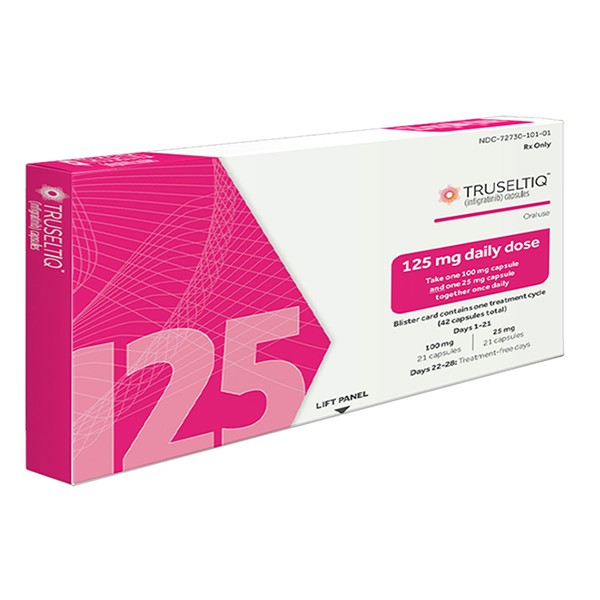
Infigratinib(Truseltiq)
Treatment of previously treated, unresectable locally advanced or metastatic...
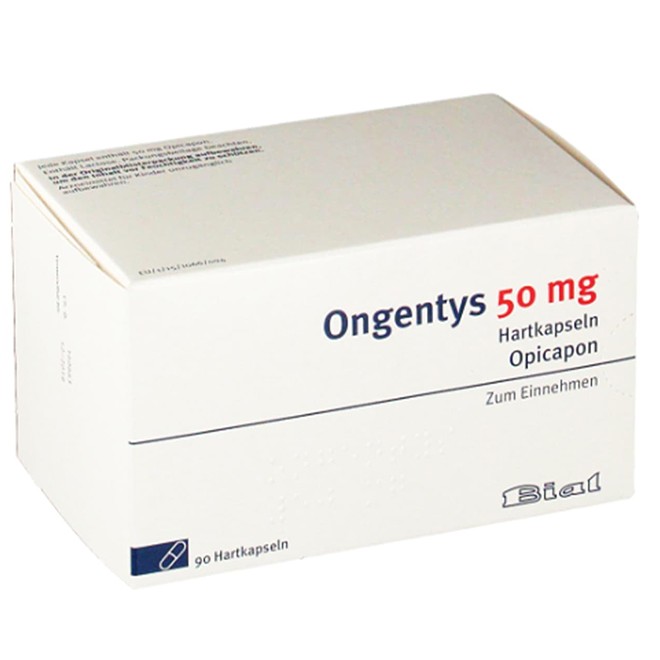
Opicapone(Ongentys)
Opicapone(Ongentys)
Adjunctive treatment to levodopa/carbidopa for reducing "off" episodes in...
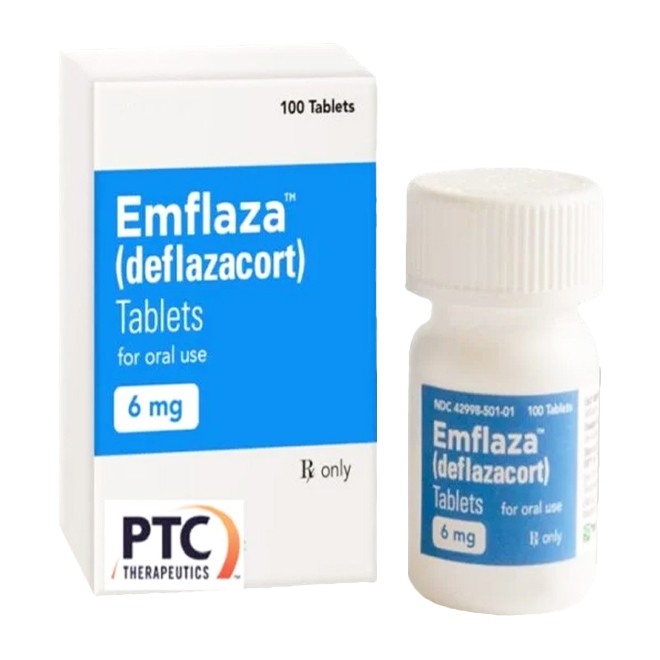
Deflazacort(Emflaza)
Treatment of Duchenne muscular dystrophy (DMD) in patients aged 2 years and...
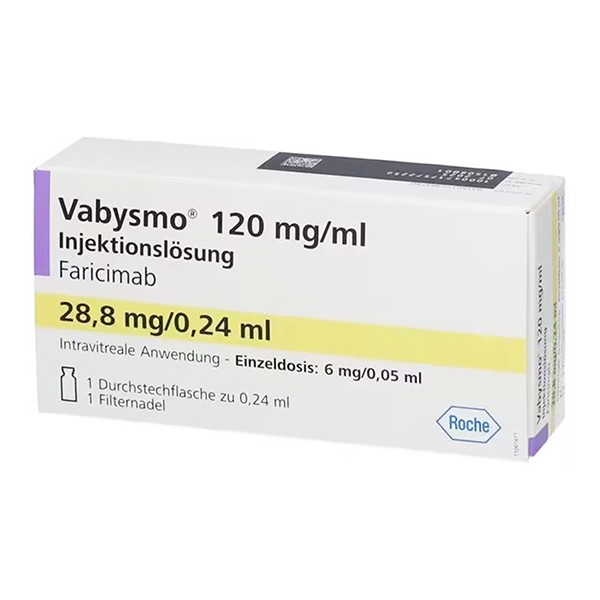
Faricimab-svoa(Vabysmo)
Treatment of neovascular age-related macular degeneration, diabetic macular...
Counselling Service
Global Drug Search
Clinical Research Recruitment
Overseas Medical Treatment
Remote Consultations
Note: Our medical consultant will contact you as soon as possible. We promise to strictly protect your privacy.
Submit
Business
  • Core products
  • Antitumor drugs
  • General drug
  • Antiviral drugs
  • Biological agents
Contact Us 
  • mailbox:info@lucius.la
Welcome to consult
ucius Pharmaceuticals (Lao) Co.,Ltd All rights reserved