info@seagull-health.com
SeagullHealth
语言:
search
new
Dosage and Administration of Xphozah (Tenapanor)
510
Article source: Seagull Pharmacy
Nov 17, 2025

Xphozah (Tenapanor) is an FDA-approved sodium-hydrogen exchanger 3 (NHE3) inhibitor specifically indicated for the treatment of hyperphosphatemia in patients with chronic kidney disease (CKD) undergoing dialysis. By inhibiting intestinal absorption of sodium and phosphate, it provides a new treatment option for patients with inadequate response to or intolerance of phosphate binders.

Dosage and Administration of Xphozah (Tenapanor)

Recommended Dosage Regimen

The regular recommended dosage of Xphozah is 30mg orally, twice daily, taken before breakfast and dinner respectively.

Dosage should be adjusted based on serum phosphorus levels and the patient’s gastrointestinal tolerance.

Administration Timing Requirements

Take immediately before the first and last meal of the day.

Avoid taking immediately before hemodialysis; administer before the next meal after dialysis.

If a dose is missed, skip the missed dose and take the next dose at the regular time.

Dosage Form and Specification Information

10mg Xphozah: Yellow, oval, biconvex tablets; engraved with "" on one side and "T10" on the other.

20mg Xphozah: Brown, oval, biconvex tablets; engraved with "" on one side and "T20" on the other.

30mg Xphozah: Red, oval, biconvex tablets; engraved with "" on one side and "T30" on the other.

Use in Special Populations for Xphozah (Tenapanor)

Pediatric Patients

Contraindicated in children under 6 years old due to the risk of diarrhea and severe dehydration.

Efficacy in patients aged 6-18 years has not been established; use is not recommended.

Geriatric Patients

In clinical studies of Xphozah, 28% of patients were ≥65 years old.

Available data show similar efficacy between elderly and younger patients; no special dosage adjustment is required.

Pregnant Women

Xphozah is minimally systemically absorbed after oral administration, with plasma concentrations below the quantitation limit (<0.5ng/mL).

Maternal use is not expected to result in fetal exposure to the drug.

Limited available data have not identified risks of major birth defects, miscarriage, or adverse maternal/fetal outcomes associated with the drug.

Important Precautions for Xphozah (Tenapanor)

Contraindications

Patients under 6 years old.

Patients with known or suspected mechanical gastrointestinal obstruction.

Drug Interactions

OATP2B1 substrates: Xphozah is an inhibitor of the intestinal uptake transporter OATP2B1, which may reduce the exposure of co-administered OATP2B1 substrate drugs.

Sodium polystyrene sulfonate (SPS): Administration of Xphozah and SPS should be separated by at least 3 hours.

Note: For internal discussion among medical personnel only. For specific medication, please consult the attending physician. Drug information may change over time. For the latest information, we recommend adding a medical consultant or consulting for free online.
Recommended Articles
What Are the Indications for Xphozah (Tenapanor)?
Xphozah (Tenapanor) is an innovative medication approved by the U.S. Food and Drug Administration (FDA), providing a new treatment option for serum phosphorus control in patients with chronic kidney d...
Purchase Channels for Xphozah (Tenapanor)
Xphozah (Tenapanor) is a sodium-hydrogen exchanger 3 (NHE3) inhibitor with tenapanor hydrochloride as the active ingredient. First approved in the United States in 2019, this medication is primarily u...
Side Effects of Qutenza (Capsaicin Patch)
Qutenza (Capsaicin Patch) is a topical patch system containing 8% capsaicin, indicated for the treatment of neuropathic pain associated with postherpetic neuralgia (PHN) and diabetic peripheral neurop...
What Are the Precautions for Using Qutenza (Capsaicin Patch)?
Qutenza (Capsaicin Patch) is a transdermal drug delivery system containing 8% capsaicin (640 micrograms per square centimeter), which was first approved in the United States in 2009. As a TRPV1 channe...
Dosage and Administration of Astomin (Dimemorfan Phosphate Tablets)
Astomin (Dimemorfan Phosphate Tablets) is a non-narcotic central antitussive. First approved in Japan in 1974, it has been widely used for relieving cough symptoms due to its high safety and low abuse...
What Are the Side Effects of Astomin (Dimemorfan Phosphate Tablets)?
Astomin (Dimemorfan Phosphate Tablets) is a non-narcotic central antitussive. Since its launch in Japan in 1975, it has been widely used to relieve cough symptoms in adults due to its low side effects...
Purchase Channels for Xofluza (Baloxavir Marboxil)
Amid the current high incidence of respiratory diseases, the anti-influenza drug Xofluza (Baloxavir Marboxil) has garnered widespread attention due to the convenience of single oral administration. As...
What Are the Indications for Xofluza (Baloxavir Marboxil)?
Xofluza (Baloxavir Marboxil) is a novel anti-influenza virus drug. With its unique single-dose administration regimen and targeted mechanism of action, it provides an innovative option for influenza p...
Related Articles
Mercaptopurine Tablets: Side Effect Management and Storage Guidelines
Mercaptopurine is a chemotherapy drug used to treat acute lymphoblastic leukemia. Understanding its side effects, mastering relief methods, and proper storage are crucial for treatment safety.1. Commo...
Indications, contraindications, and use in special populations for Mercaptopurine Tablets
Mercaptopurine is a chemotherapy drug used to treat acute lymphoblastic leukemia. Clarifying its indications, contraindications, and key points for use in special populations is crucial for treatment ...
Major Side Effects of Cevimeline
Cevimeline is used to improve dry mouth caused by Sjögren's syndrome, but it may cause various side effects when used.I. Major Side Effects of Cevimeline1. Digestive System Side Effects(1) The mos...
Cevimeline: Indications, Contraindications, and Use in Special Populations
Cevimeline is a cholinergic agonist that primarily promotes salivation by stimulating M receptors in the salivary glands.I. Indications1. Core IndicationCevimeline is indicated only for the improvemen...
Indications of Infigratinib
Infigratinib is an oral kinase inhibitor targeting FGFR2, indicated for patients with specific gene mutations in cholangiocarcinoma.I. Indications1. Infigratinib is indicated for adult patients with p...
Common Side Effects of Infigratinib
Infigratinib has shown clear efficacy in the treatment of FGFR2-mutant cholangiocarcinoma, but may also cause various side effects.I. Common Side Effects1. Ocular Side Effects:(1) The most common ocul...
What is Momelotinib?
Momelotinib is an oral kinase inhibitor indicated for the treatment of adults with intermediate or high-risk myelofibrosis with anemia, including primary and secondary myelofibrosis.I. What is Momelot...
What are the common side effects of Momelotinib
Momelotinib is a targeted therapy used for the treatment of intermediate/high-risk myelofibrosis with anemia. Understanding its common side effects, mastering management strategies, and proper storage...
New Drugs
Infigratinib(Truseltiq)
Treatment of previously treated, unresectable locally advanced or metastatic...
Opicapone(Ongentys)
Opicapone(Ongentys)
Adjunctive treatment to levodopa/carbidopa for reducing "off" episodes in...
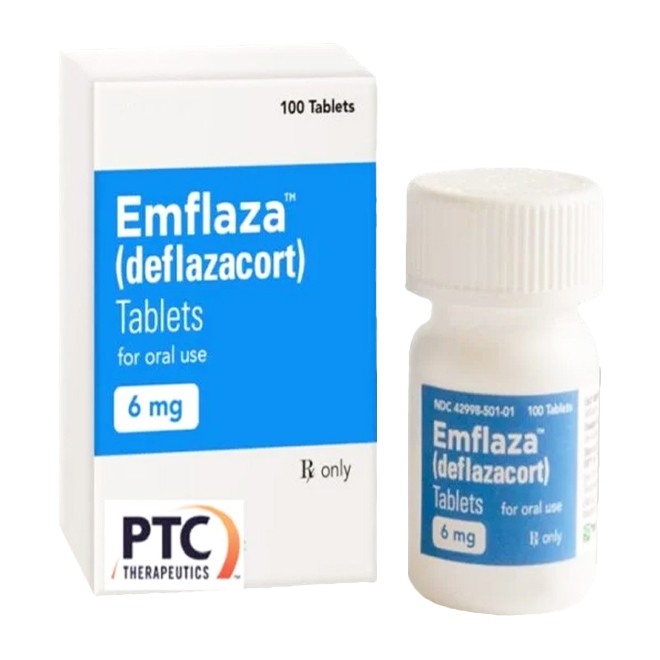
Deflazacort(Emflaza)
Treatment of Duchenne muscular dystrophy (DMD) in patients aged 2 years and...
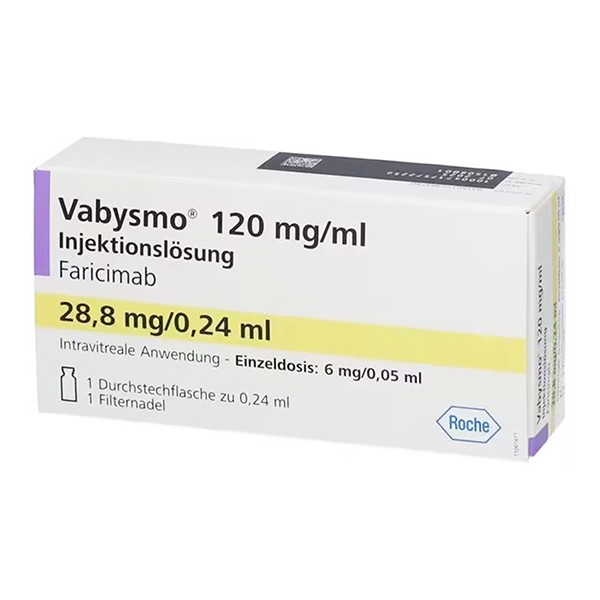
Faricimab-svoa(Vabysmo)
Treatment of neovascular age-related macular degeneration, diabetic macular...
Counselling Service
Global Drug Search
Clinical Research Recruitment
Overseas Medical Treatment
Remote Consultations
Note: Our medical consultant will contact you as soon as possible. We promise to strictly protect your privacy.
Submit
Business
  • Core products
  • Antitumor drugs
  • General drug
  • Antiviral drugs
  • Biological agents
Contact Us 
  • haiousales@gmail.com
Welcome to consult
Seagull Pharmacy.,Ltd All rights reserved