info@seagull-health.com
SeagullHealth
语言:
search
new
Dosage and Administration of Mitiglinide Calcium Tablets (Glufast)
501
Article source: Seagull Pharmacy
Nov 20, 2025

Mitiglinide Calcium Tablets (Glufast) is a rapid-acting insulin secretagogue, mainly used for the treatment of type 2 diabetes. Its mechanism of action is to promote the secretion of insulin by pancreatic β-cells, thereby rapidly controlling postprandial blood glucose.

Dosage and Administration of Mitiglinide Calcium Tablets (Glufast)

Routine Administration

Mitiglinide Calcium Tablets should be taken orally immediately before each meal (within 5 minutes).

The routine adult dosage is 10 mg each time, three times a day, i.e., once before breakfast, lunch, and dinner respectively.

Timing of Medication Administration

The absorption and onset of action of this medication are closely related to food intake.

If taken after a meal, its absorption rate will be significantly slowed down, resulting in weakened blood glucose-lowering effect.

If taken 30 minutes in advance before a meal, it may trigger insulin secretion before food intake, increasing the risk of hypoglycemia.

Recommended Initial Dosage

For most adult patients, the recommended initial dosage is 10 mg each time, three times a day.

If the patient's blood glucose is well-controlled or there is a risk of hypoglycemia, an initial dosage of 5 mg each time may also be considered, and then the dosage should be gradually adjusted based on blood glucose monitoring results.

Dosage Adjustment of Mitiglinide Calcium Tablets (Glufast)

Adjustment Based on Blood Glucose Response

Patients should regularly monitor fasting blood glucose and postprandial blood glucose. If blood glucose control is not ideal (e.g., fasting blood glucose > 126 mg/dL or 2-hour postprandial blood glucose > 200 mg/dL), the dosage may be appropriately increased under the guidance of a doctor.

If hypoglycemic symptoms occur, dosage reduction should be considered, for example, reducing from 10 mg per dose to 5 mg per dose.

Dosage Considerations for Combined Medication Use

The combined use of mitiglinide with certain hypoglycemic drugs (such as insulin, α-glucosidase inhibitors, etc.) may enhance the blood glucose-lowering effect and increase the risk of hypoglycemia.

When using this medication in combination with other drugs, attention should be paid to monitoring blood glucose, and if necessary, the dosage of this medication or the combined drugs should be adjusted.

Medication Use in Special Populations for Mitiglinide Calcium Tablets (Glufast)

Medication Use in Elderly Patients

Elderly patients are often accompanied by decreased physiological functions, and their liver and kidney functions may decline, making them prone to hypoglycemia.

It is recommended to start with a low dosage (e.g., 5 mg each time) and closely monitor changes in blood glucose, then adjust the dosage carefully according to individual conditions.

Medication Use in Patients with Renal Impairment

In patients with chronic renal failure, the plasma half-life of mitiglinide may be prolonged, thereby increasing the risk of hypoglycemia.

Such patients should take this medication under close monitoring by a doctor, and the dosage should be adjusted if necessary, especially in patients with moderate to severe renal impairment, extra caution is required.

Medication Use in Patients with Hepatic Impairment

Hepatic impairment may affect the metabolism of the drug, which not only increases the risk of hypoglycemia but also may aggravate liver damage.

During the medication period, liver function should be checked regularly. If transaminases are significantly elevated, the medication should be discontinued in a timely manner and appropriate treatment should be given.

Pregnant Women and Lactating Women

The use of this medication is contraindicated in pregnant women or women who may become pregnant. Animal experiments have shown that the drug can cross the placenta and may cause maternal hypoglycemia.

If lactating women must take this medication, they should weigh the benefits of treatment against the pros and cons of breastfeeding, and consider suspending breastfeeding.

Note: For internal discussion among medical personnel only. For specific medication, please consult the attending physician. Drug information may change over time. For the latest information, we recommend adding a medical consultant or consulting for free online.
Recommended Articles
What Are the Indications of Mitiglinide Calcium Tablets (Glufast)?
Mitiglinide Calcium Tablets (Glufast) are an oral hypoglycemic drug used for the treatment of type 2 diabetes, belonging to the class of fast-acting insulin secretagogues. Its mechanism of action is t...
What Are the Purchase Channels for Mitiglinide Calcium Tablets (Glufast)?
Mitiglinide Calcium Tablets (Glufast) are a fast-acting insulin secretagogue used for the treatment of type 2 diabetes, primarily indicated for postprandial blood glucose control. As a prescription dr...
Side Effects of Tivozanib (Fotivda)
Tivozanib (Fotivda) is a kinase inhibitor clinically used for the treatment of relapsed or refractory advanced renal cell carcinoma (RCC) after two or more lines of systemic therapy. It provides an im...
How to Use Dificid (Fidaxomicin)
Dificid (fidaxomicin) is a macrolide antibacterial agent, primarily used to treat Clostridioides difficile - associated diarrhea (CDAD) in adult patients and pediatric patients aged 6 months and older...
Side Effects of Mitiglinide Calcium Tablets (Glufast)
Mitiglinide Calcium Tablets (Glufast) is a rapid-acting insulin secretagogue, primarily indicated for the treatment of type 2 diabetes. It works by stimulating pancreatic β-cells to promote insulin se...
What Are the Precautions for Taking Mitiglinide Calcium Tablets (Glufast)?
Mitiglinide Calcium Tablets (Glufast) is a rapid-acting insulin secretagogue, mainly used for the treatment of type 2 diabetes. Its mechanism of action is to promote the secretion of insulin by pancre...
How to Purchase Tucatinib (Tukysa)
Tucatinib (Tukysa) is a new-generation HER2-targeted therapeutic agent that has demonstrated significant efficacy in the treatment of HER2-positive metastatic breast cancer and colorectal cancer. As a...
What Kind of Drug Is Tucatinib (Tukysa)?
Tucatinib (Tukysa) is a targeted therapeutic agent that demonstrates significant value in the treatment of HER2-positive breast cancer and colorectal cancer.What Kind of Drug Is Tucatinib (Tukysa)?Dru...
Related Articles
Dosage and Administration, Recommended Dose of Elacestrant (Orserdu)
Elacestrant (Orserdu) is a selective estrogen receptor degrader (SERD), which provides an important treatment option for patients with estrogen receptor-positive, HER2-negative advanced or metastatic ...
What Are the Indications for Elacestrant (Orserdu)?
Elacestrant (Orserdu) is a novel endocrine therapy agent that demonstrates significant value in the treatment of advanced breast cancer with specific gene mutations. As an estrogen receptor antagonist...
What Are the Purchase Channels for Elacestrant (Orserdu)?
With the advancement of medical technology, elacestrant (Orserdu), a targeted drug for breast cancer with specific gene mutations, has brought new treatment options for patients. As the first oral sel...
Adverse Reactions of Capmatinib (Tabrecta)
Capmatinib (Tabrecta) is a highly selective MET inhibitor indicated for the treatment of patients with advanced non-small cell lung cancer harboring MET gene mutations. By precisely inhibiting the act...
What are the Precautions for Capmatinib (Tabrecta) Administration?
Capmatinib (Tabrecta) is a targeted therapy drug for MET gene mutations, demonstrating significant efficacy in the treatment of advanced malignancies such as non-small cell lung cancer.What are the Pr...
Dosage and Administration, Recommended Dosage of Capmatinib (Tabrecta)
Capmatinib (Tabrecta) is a highly selective MET inhibitor, offering a precision treatment option for patients with metastatic non-small cell lung cancer (NSCLC) harboring MET exon 14 skipping mutation...
What Are the Indications for Capmatinib (Tabrecta)?
Capmatinib (Tabrecta) is a targeted therapy medication that plays an important role in the treatment of non-small cell lung cancer associated with specific gene mutations. As a MET kinase inhibitor, i...
What Are the Purchase Channels for Capmatinib (Tabrecta)?
Capmatinib (Tabrecta) is a highly selective MET inhibitor that has demonstrated significant efficacy in patients with metastatic non-small cell lung cancer (NSCLC) harboring MET exon 14 skipping mutat...
New Drugs
Infigratinib(Truseltiq)
Treatment of previously treated, unresectable locally advanced or metastatic...
Opicapone(Ongentys)
Opicapone(Ongentys)
Adjunctive treatment to levodopa/carbidopa for reducing "off" episodes in...
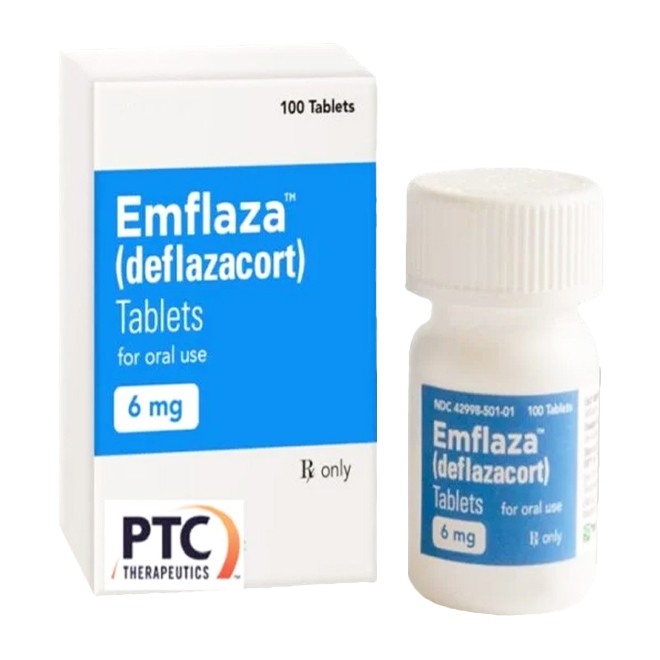
Deflazacort(Emflaza)
Treatment of Duchenne muscular dystrophy (DMD) in patients aged 2 years and...
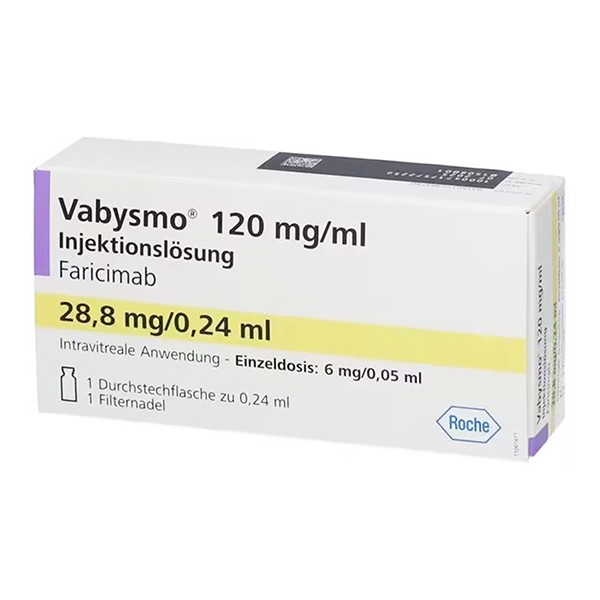
Faricimab-svoa(Vabysmo)
Treatment of neovascular age-related macular degeneration, diabetic macular...
Counselling Service
Global Drug Search
Clinical Research Recruitment
Overseas Medical Treatment
Remote Consultations
Note: Our medical consultant will contact you as soon as possible. We promise to strictly protect your privacy.
Submit
Business
  • Core products
  • Antitumor drugs
  • General drug
  • Antiviral drugs
  • Biological agents
Contact Us 
  • mailbox:info@lucius.la
Welcome to consult
ucius Pharmaceuticals (Lao) Co.,Ltd All rights reserved