info@seagull-health.com
SeagullHealth
语言:
search
new
What Kind of Drug Is Tucatinib (Tukysa)?
503
Article source: Seagull Pharmacy
Nov 20, 2025

Tucatinib (Tukysa) is a targeted therapeutic agent that demonstrates significant value in the treatment of HER2-positive breast cancer and colorectal cancer.

What Kind of Drug Is Tucatinib (Tukysa)?

Drug Class and Mechanism of Action

Tucatinib is a kinase inhibitor that specifically inhibits the HER2 receptor.

In in vitro experiments, the drug inhibits the phosphorylation of HER2 and HER3, thereby blocking the downstream MAPK and AKT signaling pathways and suppressing tumor cell proliferation.

Indication Scope

HER2-positive breast cancer: Used in combination with trastuzumab and capecitabine, it is indicated for the treatment of adult patients with advanced unresectable or metastatic HER2-positive breast cancer, including those with brain metastases.

HER2-positive colorectal cancer: Used in combination with trastuzumab, it is indicated for the treatment of adult patients with RAS wild-type, HER2-positive unresectable or metastatic colorectal cancer.

Dosage Forms, Strengths, and Characteristics of Tucatinib (Tukysa)

Dosage Forms and Strengths

50 mg tablets: Round, yellow, engraved with "TUC" on one side and "50" on the other.

150 mg tablets: Oval, yellow, engraved with "TUC" on one side and "150" on the other.

Composition

Active ingredient: Tucatinib.

Tablet core excipients: Copovidone, crospovidone, sodium chloride, potassium chloride, sodium bicarbonate, colloidal silicon dioxide, magnesium stearate, and microcrystalline cellulose.

Coating ingredients: Yellow film coating, containing polyvinyl alcohol, titanium dioxide, polyethylene glycol (PEG), talc, and yellow iron oxide (non-irradiated).

Special Content Description

Each 50 mg Tucatinib tablet contains 10.10 mg (0.258 mEq) of potassium and 9.21 mg (0.401 mEq) of sodium.

Storage Methods for Tucatinib (Tukysa)

Storage Condition Requirements

Store at controlled room temperature between 20°C and 25°C (68°F and 77°F), with allowable fluctuations between 15°C and 30°C (59°F and 86°F).

Packaging and Handling Specifications

Storage in original container: The drug must be dispensed to patients in its original container.

Moisture-proof measures: Store in the original container to protect from moisture. After each opening, reclose the bottle cap tightly; do not discard the desiccant.

Shelf life after opening: The usable period after opening the bottle is 3 months.

Disposal of unused drug: Any unused tablets should be discarded 3 months after the bottle is opened.

Note: For internal discussion among medical personnel only. For specific medication, please consult the attending physician. Drug information may change over time. For the latest information, we recommend adding a medical consultant or consulting for free online.
Recommended Articles
How to Purchase Tucatinib (Tukysa)
Tucatinib (Tukysa) is a new-generation HER2-targeted therapeutic agent that has demonstrated significant efficacy in the treatment of HER2-positive metastatic breast cancer and colorectal cancer. As a...
What Are the Precautions for Taking Mitiglinide Calcium Tablets (Glufast)?
Mitiglinide Calcium Tablets (Glufast) is a rapid-acting insulin secretagogue, mainly used for the treatment of type 2 diabetes. Its mechanism of action is to promote the secretion of insulin by pancre...
Side Effects of Mitiglinide Calcium Tablets (Glufast)
Mitiglinide Calcium Tablets (Glufast) is a rapid-acting insulin secretagogue, primarily indicated for the treatment of type 2 diabetes. It works by stimulating pancreatic β-cells to promote insulin se...
Dosage and Administration of Mitiglinide Calcium Tablets (Glufast)
Mitiglinide Calcium Tablets (Glufast) is a rapid-acting insulin secretagogue, mainly used for the treatment of type 2 diabetes. Its mechanism of action is to promote the secretion of insulin by pancre...
How to Use Tucatinib (Tukysa)
Tucatinib (Tukysa) is a highly selective HER2 tyrosine kinase inhibitor that has demonstrated significant value in the treatment of advanced HER2-positive breast cancer and colorectal cancer.How to Us...
Precautions for Taking Tucatinib (Tukysa)
Tucatinib (Tukysa) is a highly selective HER2 tyrosine kinase inhibitor. It is indicated for use in combination with trastuzumab and capecitabine for the treatment of advanced HER2-positive breast can...
What Are the Side Effects of Tukysa (Tucatinib)?
Tukysa (tucatinib) is an oral tyrosine kinase inhibitor primarily used for the treatment of HER2-positive advanced or metastatic breast cancer and colorectal cancer. While it demonstrates significant ...
What Are the Purchase Channels for Ponatinib (Iclusig)?
Ponatinib (Iclusig) is a new-generation kinase inhibitor that exhibits unique efficacy in the treatment of Philadelphia chromosome-positive acute lymphoblastic leukemia (Ph+ ALL) and chronic myeloid l...
Related Articles
Dosage and Administration, Recommended Dose of Elacestrant (Orserdu)
Elacestrant (Orserdu) is a selective estrogen receptor degrader (SERD), which provides an important treatment option for patients with estrogen receptor-positive, HER2-negative advanced or metastatic ...
What Are the Indications for Elacestrant (Orserdu)?
Elacestrant (Orserdu) is a novel endocrine therapy agent that demonstrates significant value in the treatment of advanced breast cancer with specific gene mutations. As an estrogen receptor antagonist...
What Are the Purchase Channels for Elacestrant (Orserdu)?
With the advancement of medical technology, elacestrant (Orserdu), a targeted drug for breast cancer with specific gene mutations, has brought new treatment options for patients. As the first oral sel...
Adverse Reactions of Capmatinib (Tabrecta)
Capmatinib (Tabrecta) is a highly selective MET inhibitor indicated for the treatment of patients with advanced non-small cell lung cancer harboring MET gene mutations. By precisely inhibiting the act...
What are the Precautions for Capmatinib (Tabrecta) Administration?
Capmatinib (Tabrecta) is a targeted therapy drug for MET gene mutations, demonstrating significant efficacy in the treatment of advanced malignancies such as non-small cell lung cancer.What are the Pr...
Dosage and Administration, Recommended Dosage of Capmatinib (Tabrecta)
Capmatinib (Tabrecta) is a highly selective MET inhibitor, offering a precision treatment option for patients with metastatic non-small cell lung cancer (NSCLC) harboring MET exon 14 skipping mutation...
What Are the Indications for Capmatinib (Tabrecta)?
Capmatinib (Tabrecta) is a targeted therapy medication that plays an important role in the treatment of non-small cell lung cancer associated with specific gene mutations. As a MET kinase inhibitor, i...
What Are the Purchase Channels for Capmatinib (Tabrecta)?
Capmatinib (Tabrecta) is a highly selective MET inhibitor that has demonstrated significant efficacy in patients with metastatic non-small cell lung cancer (NSCLC) harboring MET exon 14 skipping mutat...
New Drugs
Infigratinib(Truseltiq)
Treatment of previously treated, unresectable locally advanced or metastatic...
Opicapone(Ongentys)
Opicapone(Ongentys)
Adjunctive treatment to levodopa/carbidopa for reducing "off" episodes in...
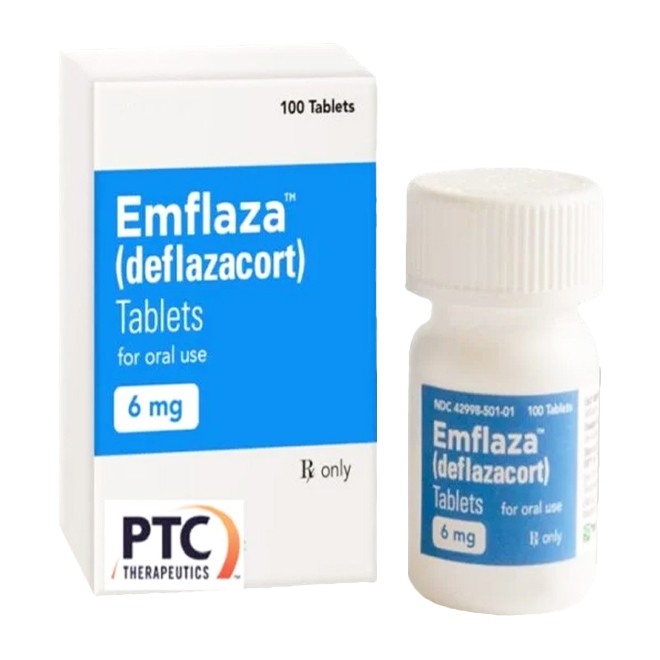
Deflazacort(Emflaza)
Treatment of Duchenne muscular dystrophy (DMD) in patients aged 2 years and...
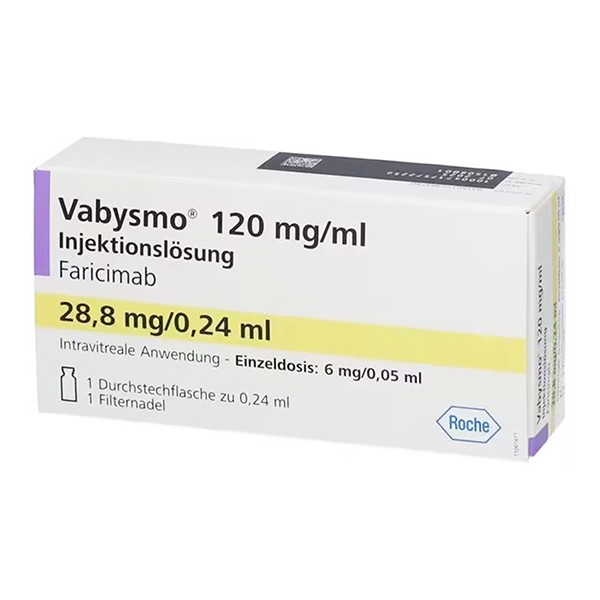
Faricimab-svoa(Vabysmo)
Treatment of neovascular age-related macular degeneration, diabetic macular...
Counselling Service
Global Drug Search
Clinical Research Recruitment
Overseas Medical Treatment
Remote Consultations
Note: Our medical consultant will contact you as soon as possible. We promise to strictly protect your privacy.
Submit
Business
  • Core products
  • Antitumor drugs
  • General drug
  • Antiviral drugs
  • Biological agents
Contact Us 
  • mailbox:info@lucius.la
Welcome to consult
ucius Pharmaceuticals (Lao) Co.,Ltd All rights reserved