info@seagull-health.com
SeagullHealth
语言:
search
new
Adverse Reactions of Trametinib (Mekinist)
504
Article source: Seagull Pharmacy
Jan 09, 2026

Trametinib (Mekinist) is a targeted therapy drug that demonstrates significant efficacy in the treatment of BRAFV600E or V600K mutation-positive melanoma, but the associated adverse reactions require close attention.

Adverse Reactions of Trametinib (Mekinist)

Common Adverse Reactions

Skin and subcutaneous tissue disorders are the most frequent, with rash occurring in 57% of patients, 8% of which are of grade 3–4 severity.

Other cutaneous reactions include acneiform dermatitis (19%), xeroderma (11%), pruritus (10%), and paronychia (10%).

Gastrointestinal system disorders: Diarrhea (mostly mild to moderate) affects 43% of patients, stomatitis in 15%, and abdominal pain in 13%.

Laboratory abnormalities: Elevated aspartate aminotransferase (AST) is observed in 60% of patients, elevated alanine aminotransferase (ALT) in 39%, hypoalbuminemia in 42%, and anemia in 38%.

Lymphoedema is detected in 32% of patients, hypertension in 15%, and hemorrhagic manifestations in 13%.

Severe Adverse Reactions

Cardiomyopathy

In pivotal clinical trials, 7% of patients treated with trametinib developed cardiomyopathy (including heart failure, left ventricular dysfunction, or decreased left ventricular ejection fraction [LVEF]), among whom 5% required permanent treatment discontinuation.

11% of patients experienced LVEF below the lower limit of normal with an absolute decrease of ≥10% from baseline, and 5% of these patients had an LVEF reduction of ≥20%.

Current guidelines mandate LVEF assessment via echocardiography or MUGA scan prior to treatment initiation, 1 month after treatment start, and then every 2–3 months thereafter.

Treatment should be interrupted if LVEF shows an absolute decrease of ≥10% from baseline and falls below the lower limit of normal. Permanent discontinuation is required in cases of symptomatic cardiomyopathy or persistent asymptomatic LVEF abnormalities without improvement within 4 weeks.

Ocular Toxicity

Retinal pigment epithelial detachment (RPED) occurs in 0.8% of patients, characterized by bilateral multifocal macular lesions that may lead to visual impairment.

Retinal vein occlusion (RVO) has an incidence of 0.2%, which can cause macular edema, visual loss, neovascularization, and glaucoma.

Guidelines recommend immediate ophthalmologic evaluation for patients with new-onset visual disturbances. Treatment should be withheld upon confirmation of RPED; permanent discontinuation is indicated if no improvement is seen within 3 weeks. For RVO, immediate and permanent treatment discontinuation is required.

Pulmonary Complications

Interstitial lung disease (ILD) or pneumonia occurs in 1.8% of patients, some of whom require hospitalization.

Treatment should be suspended in patients with new or progressive pulmonary symptoms (such as cough, dyspnea, hypoxia, pleural effusion, or infiltrates on imaging). Permanent discontinuation is necessary if treatment-related ILD is confirmed.

Precautions for Trametinib (Mekinist) Administration

Special Population Warnings

Pregnancy: Trametinib exhibits embryotoxicity. Women of childbearing potential must use highly effective contraceptive measures during treatment and for 4 months after discontinuing the drug.

Lactation: Breastfeeding is not recommended during treatment; either discontinue breastfeeding or stop the drug.

Dosing Specifications and Monitoring

Tumor mutation confirmation: The presence of BRAFV600E or V600K mutations must be verified using an FDA-approved diagnostic assay before treatment initiation.

Recommended dosage: 2 mg once daily, to be taken 1 hour before or 2 hours after a meal. If a dose is missed, the next dose should be taken at least 12 hours later.

Systematic multi-organ monitoring is required, including regular cardiac function assessment, ophthalmologic examinations, monitoring of cutaneous toxicity, blood pressure measurement, and liver function follow-up.

Note: For internal discussion among medical personnel only. For specific medication, please consult the attending physician. Drug information may change over time. For the latest information, we recommend adding a medical consultant or consulting for free online.
Recommended Articles
What are the precautions for Trametinib (Mekinist) administration?
Trametinib (Mekinist) is a reversible inhibitor of MEK1 and MEK2 kinases, playing a vital role in the treatment of BRAFV600E or V600K mutation-positive melanoma.What are the precautions for Trametinib...
Dosage and Administration of Trametinib (Mekinist)
Trametinib (Mekinist) is a kinase inhibitor indicated for the treatment of patients with unresectable or metastatic melanoma that is confirmed to harbor BRAF V600E or V600K mutations by an FDA-approve...
What Are the Indications for Trametinib (Mekinist)?
Trametinib (Mekinist) is a kinase inhibitor. As a representative targeted drug in the era of precision medicine, it has demonstrated favorable clinical value in the treatment of melanoma.What Are the ...
What Are the Purchase Channels for Trametinib (Mekinist)?
Trametinib (Mekinist) is a targeted therapy indicated for the treatment of unresectable or metastatic melanoma harboring BRAF V600E or V600K mutations. As a prescription-only medication, its purchase ...
What Are the Purchase Channels for Mavacamten (Camzyos)?
Mavacamten (Camzyos) is the world’s first approved cardiac myosin inhibitor for the treatment of symptomatic obstructive hypertrophic cardiomyopathy (oHCM), and its standardized use is directly relate...
What Are the Indications for Mavacamten (Camzyos)?
Mavacamten (Camzyos) is an oral cardiac myosin inhibitor that received its first approval in the United States in 2022. As an innovative therapy, it offers a new treatment direction for patients with ...
Dosage and Administration of Camzyos (Mavacamten)
Camzyos (Mavacamten) is a cardiac myosin inhibitor approved in the United States in 2022. It is indicated for the treatment of adult patients with symptomatic obstructive hypertrophic cardiomyopathy (...
What Are the Precautions for Mavacamten (Camzyos) Administration?
Mavacamten (Camzyos) is an innovative drug indicated for the treatment of symptomatic obstructive hypertrophic cardiomyopathy, and it belongs to the class of cardiac myosin inhibitors. As a prescripti...
Related Articles
Dosage and Administration, Precautions, and Healthy Lifestyle for Cenobamate
Cenobamate is a novel once-daily oral antiepileptic drug. Correct dosage and administration, strict adherence to precautions, and a healthy lifestyle are critical to ensuring its efficacy and safety.I...
Side Effects of Cenobamate and Management Strategies
Cenobamate is an effective novel antiepileptic drug, but it is associated with a range of side effects.I. Side Effects of Cenobamate1. Most Common Side Effects (Incidence ≥10% and higher than placebo)...
Safinamide (Xadago): Domestic Launch and Purchase Guide in China
As an adjunctive treatment for Parkinson’s disease, the accessibility of safinamide in China is a major concern for patients.I. Domestic Launch Status1. Not Yet Launched in Chinese Mainland(1) As of A...
Analysis of the Therapeutic Value and Accessibility of Safinamide (Xadago)
As an adjunctive treatment for "off" episodes in Parkinson’s disease, safinamide’s clinical efficacy, medical insurance coverage, and pricing are common concerns for patients and their famil...
Dosage and Administration, Precautions, and Healthy Living Guidelines for Anagrelide (Agrylin)
Anagrelide is a prescription platelet-lowering medication that must be used precisely under the guidance of a physician.I. Dosage and Administration1. Adult Starting Dose(1) The recommended starting d...
Anagrelide (Agrylin): Side Effects, Management Strategies and Storage Guidelines
Anagrelide is a platelet-lowering agent with well-established efficacy, yet it is associated with a variety of adverse reactions.I. Common Side Effects1. Adverse Reactions with an Incidence Rate ≥ 5%T...
Drug Overview and Administration Guidance for Topiroxostat
Topiroxostat is a non-purine selective xanthine oxidase inhibitor indicated for the treatment of gout and hyperuricemia.I. Pharmaceutical Properties and Mechanism of Action1. Active Ingredient and Dos...
Key Clinical Application Guidelines for Topiroxostat
Topiroxostat is a non-purine selective xanthine oxidase inhibitor that exerts a uric acid-lowering effect by inhibiting uric acid production.I. Indications and Target Population1. Approved Indications...
New Drugs
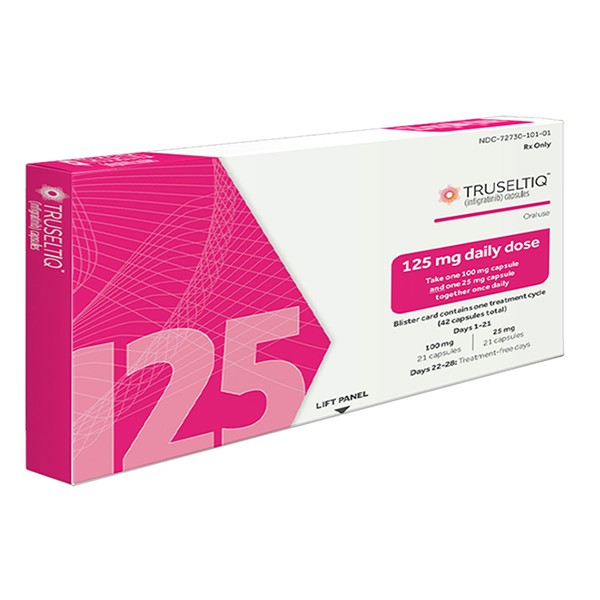
Infigratinib(Truseltiq)
Treatment of previously treated, unresectable locally advanced or metastatic...
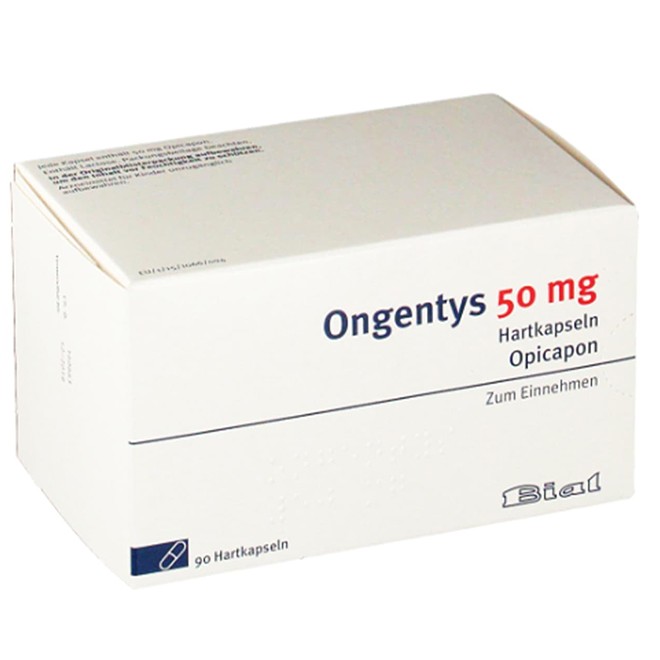
Opicapone(Ongentys)
Opicapone(Ongentys)
Adjunctive treatment to levodopa/carbidopa for reducing "off" episodes in...
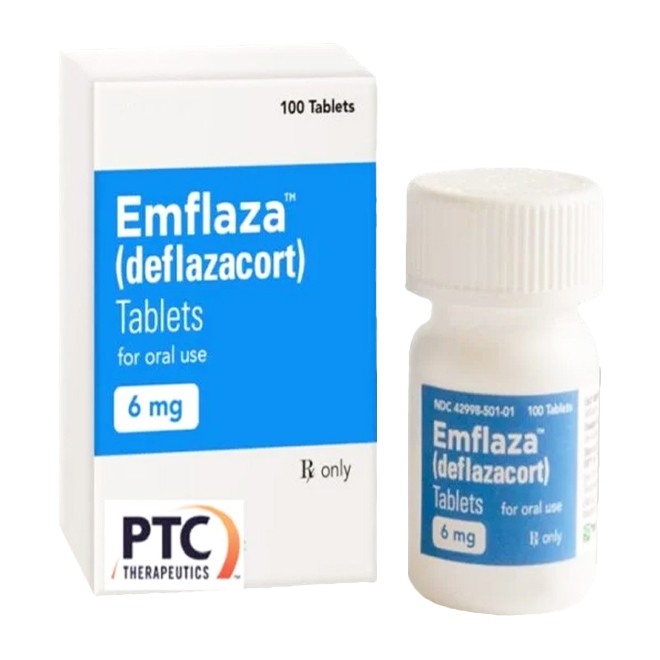
Deflazacort(Emflaza)
Treatment of Duchenne muscular dystrophy (DMD) in patients aged 2 years and...
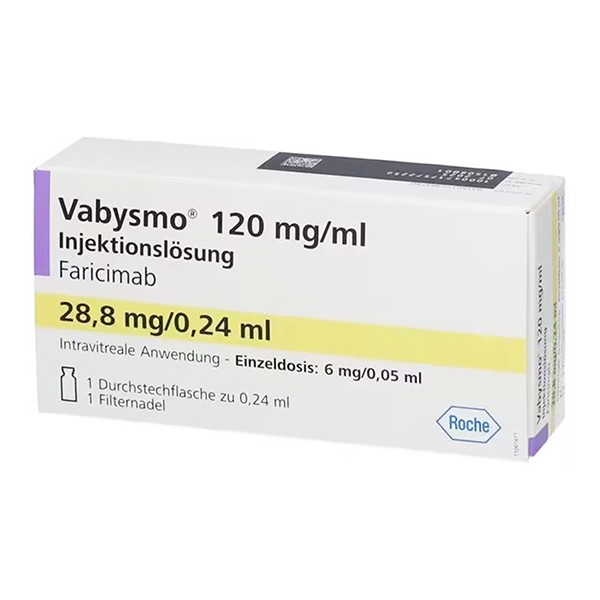
Faricimab-svoa(Vabysmo)
Treatment of neovascular age-related macular degeneration, diabetic macular...
Counselling Service
Global Drug Search
Clinical Research Recruitment
Overseas Medical Treatment
Remote Consultations
Note: Our medical consultant will contact you as soon as possible. We promise to strictly protect your privacy.
Submit
Business
  • Core products
  • Antitumor drugs
  • General drug
  • Antiviral drugs
  • Biological agents
Contact Us 
  • haiousales@gmail.com
Welcome to consult
Seagull Pharmacy.,Ltd All rights reserved