

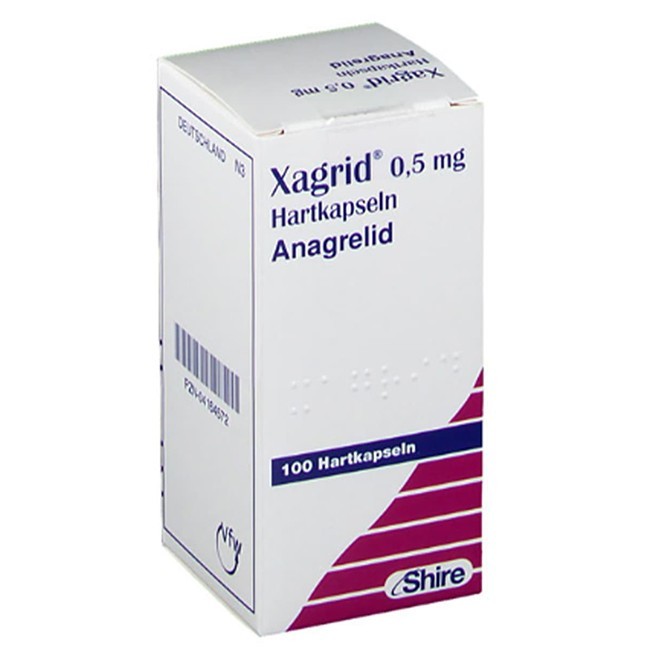
Anagrelide is a platelet-lowering agent with well-established efficacy, yet it is associated with a variety of adverse reactions.
I. Common Side Effects
1. Adverse Reactions with an Incidence Rate ≥ 5%
The most frequent side effects include: headache, palpitations, diarrhea, asthenia, edema, nausea, abdominal pain, dizziness, dyspnea, vomiting, pyrexia, chest pain, tachycardia, rash, anorexia, cough, back pain, paresthesia, pruritus, and dyspepsia.
2. Adverse Reactions with an Incidence Rate of 1%–5%
Arrhythmia, angina pectoris, heart failure, syncope, hemorrhage, hypertension, orthostatic hypotension, constipation, gastrointestinal hemorrhage, gastritis, anemia, thrombocytopenia, ecchymosis, elevated liver enzymes, arthralgia, myalgia, depression, confusion, insomnia, epistaxis, pneumonia, alopecia, hematuria, renal failure, etc.
3. Severe Side Effects with an Incidence Rate < 1%
Ventricular tachycardia, supraventricular tachycardia, hypoesthesia.
4. Severe Side Effects Reported Post-Marketing
Torsades de pointes, variant angina, interstitial lung disease (including allergic alveolitis, eosinophilic pneumonia, interstitial pneumonia), tubulointerstitial nephritis, marked hepatotoxicity (ALT/AST elevation > 3 times the upper limit of normal), cerebral infarction.
II. Management of Side Effects
1. Headache and Dizziness
(1) These are the most common side effects. Initiation at a low dosage is recommended (0.5 mg four times daily or 1 mg twice daily for adults), with gradual dose increments after at least one week of maintenance to allow the body to acclimatize.
(2) If headache persists, consult a physician for temporary dose reduction or adjustment of administration frequency.
2. Palpitations and Tachycardia
(1) An electrocardiogram (ECG) is required before treatment to evaluate baseline cardiovascular status.
(2) Seek immediate medical attention if accelerated or irregular heartbeat occurs.
(3) Avoid concomitant use with QT-prolonging medications (e.g., clarithromycin, amiodarone).
(4) Maintain normal serum potassium levels, as hypokalemia increases the risk of arrhythmia.
3. Diarrhea and Nausea
(1) Administration with meals may reduce gastrointestinal irritation.
(2) Replenish fluids and electrolytes during episodes of diarrhea.
(3) For severe symptoms, the physician may consider dose reduction or temporary treatment suspension, followed by re-titration after symptom relief.
4. Edema and Peripheral Edema
(1) Restrict sodium intake and elevate the lower extremities to promote venous return.
(2) If edema is severe or accompanied by dyspnea, heart failure should be suspected, and prompt medical evaluation is required.
5. Bleeding Tendency
(1) Concomitant use with aspirin significantly increases the risk of major bleeding.
(2) Avoid concurrent use of anticoagulants, NSAIDs, or other antiplatelet agents during treatment. Discontinue the drug and seek immediate medical care if gingival bleeding, skin ecchymosis, melena, or hematemesis occurs.
6. Dyspnea and Cough
If progressive worsening of dyspnea with pulmonary infiltrates develops, interstitial lung disease should be suspected. The drug must be discontinued immediately, and pulmonary evaluation performed. Pulmonary hypertension should also be ruled out.
III. Storage Conditions
1. Temperature Requirements
Store at 25°C (77°F); brief excursions between 15°C and 30°C (59°F and 86°F) are permitted.
2. Container Requirements
(1) Store in a light-resistant container to prevent photodegradation of the drug.
(2) The original bottle provides light protection; container replacement is not recommended.
3. Additional Precautions
(1) Keep the bottle cap tightly closed to protect from moisture.
(2) Keep out of reach of children. Expired medication must not be used and should be disposed of in accordance with local regulations.

Free Inquiry