

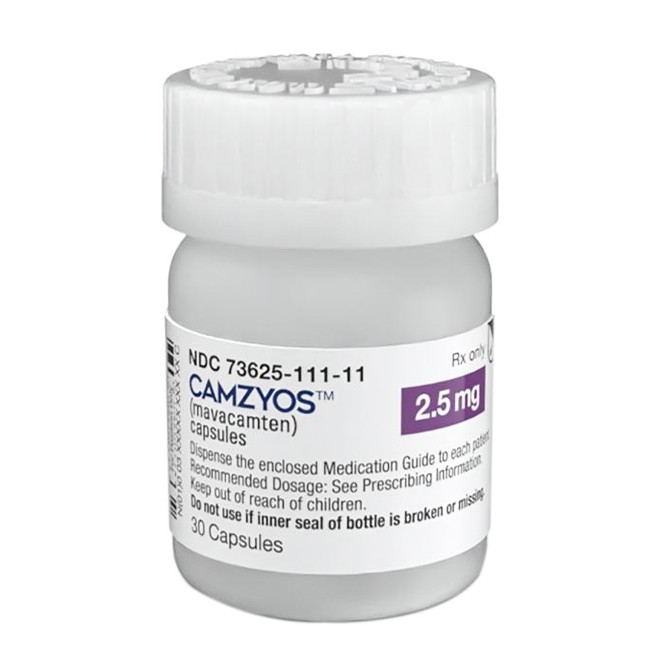
As a targeted therapeutic agent for obstructive hypertrophic cardiomyopathy, the price, medical insurance coverage and clinical efficacy of Mavacamten (Camzyos) are the most concerning issues for patients.
I. Therapeutic Effects of Mavacamten
1. Improvement of Symptoms and Exercise Capacity
Mavacamten selectively inhibits cardiac myosin, reducing the excessive formation of actin-myosin cross-bridges, thereby lowering the left ventricular outflow tract gradient and improving cardiac diastolic function.
2. Enhancement of Quality of Life
(1) Patient-reported quality of life indicators are significantly improved.
(2) Clinical outcomes demonstrate marked relief in the degree of limitation in daily activities and dyspnea symptoms in patients.
3. Reduction in the Need for Invasive Treatments
(1) The VALOR-HCM trial enrolled patients meeting the indications for septal reduction therapy (SRT).
(2) After a period of treatment, results in the mavacamten group showed that the drug effectively reduced the need for invasive interventions.
II. Price and Medical Insurance Status of Mavacamten
1. Domestic Launch and Pricing
(1) Mavacamten was approved for marketing in China in 2023 for the treatment of symptomatic obstructive hypertrophic cardiomyopathy in adults.
(2) Based on the market pricing of similar innovative drugs and overseas references, the annual treatment cost of this drug in the US market is approximately tens of thousands of US dollars. After entering the Chinese market, its pricing is usually adjusted to a certain extent, yet it still falls into the category of high-value innovative drugs.
(3) The specific price varies by region, hospital, pharmacy and purchasing channel. Patients may consult the pharmacy of large local hospitals or pharmacies for details.
2. Progress in Medical Insurance Coverage
(1) As of early 2025, mavacamten has been included in the National Reimbursement Drug List through medical insurance negotiations and officially covered by medical insurance reimbursement.
(2) The specific reimbursement ratio, payment limit and applicable conditions differ according to local medical insurance policies. Patients are advised to consult the medical insurance office of their treating hospital or local medical insurance authorities for the latest reimbursement rules.
3. Patient Assistance and Charity Programs
(1) For financially disadvantaged patients who meet specific criteria, some charitable foundations or pharmaceutical companies may offer patient assistance programs, helping patients access treatment by reducing partial drug costs or providing free medications.
(2) Patients can learn about the application procedures and eligibility requirements through the hospital social work department, pharmaceutical company official websites or relevant public welfare organizations.
III. Key Factors Affecting Efficacy and Costs
1. Individualized Dose Titration
(1) The dosage of mavacamten needs to be individually titrated based on left ventricular ejection fraction (LVEF) and left ventricular outflow tract gradient, with an initial dose of 5 mg and a maximum dose of 15 mg.
(2) Maintenance doses vary among patients, directly affecting the annual medication volume and total costs.
2. Influence of CYP2C19 Genotype
(1) The drug is mainly metabolized by CYP2C19. Poor metabolizers (accounting for approximately 2%–13% of the population, with a higher proportion in Asians) have significantly increased drug exposure, which may require lower doses or more cautious monitoring.
(2) Individual metabolic differences affect both efficacy and the frequency of dose adjustments as well as related costs.
3. Management of Concomitant Medications
(1) Mavacamten has drug-drug interactions with multiple agents. In particular, strong CYP2C19 inhibitors and moderate to strong CYP3A4 inducers are strictly contraindicated or require dose adjustment.
(2) Rational management of concomitant medications avoids dose fluctuations, additional monitoring and potential medical expenses caused by drug interactions.

Free Inquiry