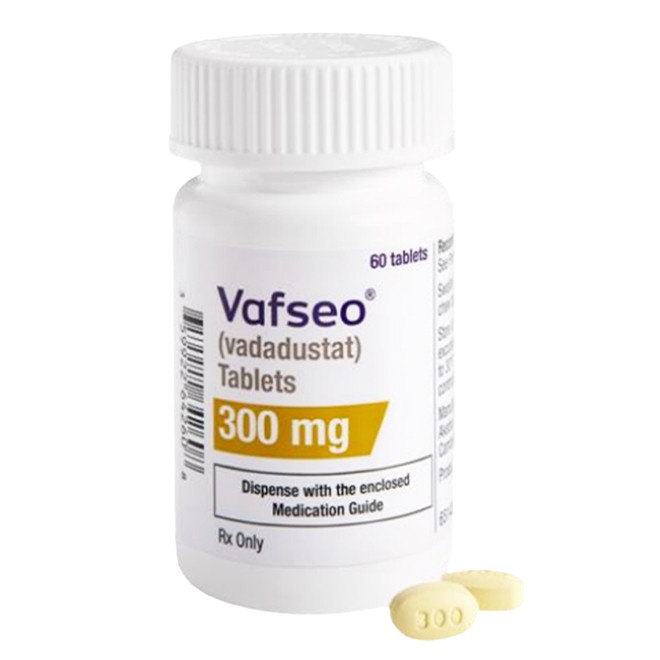
Vosevi is a fixed‑dose combination medication used for the treatment of chronic hepatitis C. It demonstrates reliable efficacy, but adverse reactions may occur during treatment.
I. Common and Serious Side Effects of Vosevi
1. Common Side Effects
In clinical trials, adverse reactions occurring in ≥10% of patients receiving 12‑week Vosevi therapy included:
(1) Headache, fatigue, diarrhea, and nausea.
(2) Most of these reactions were mild to moderate in severity and rarely led to treatment discontinuation.
2. Abnormal Laboratory Findings
Asymptomatic laboratory abnormalities may occur in some patients:
(1) Elevated bilirubin: Inhibition of OATP1B1/1B3 transporters by voxilaprevir may cause mild increases in total bilirubin (≤1.5 × upper limit of normal), which resolves after treatment cessation without jaundice.
(2) Elevated lipase or creatine kinase: Usually isolated and transient, with no clinical manifestations.
3. Serious Adverse Reactions Requiring Vigilance
(1) Hepatitis B virus reactivation: In patients coinfected with HCV and HBV, HBV reactivation may occur during or after treatment, potentially leading to liver failure or death in severe cases. HBV serology must be screened before treatment, with close monitoring during therapy.
(2) Hepatic decompensation / liver failure: More commonly observed in patients with moderate to severe hepatic impairment (Child‑Pugh B or C), presenting as jaundice, ascites, hepatic encephalopathy, etc. Vosevi is not recommended in this population.
(3) Symptomatic bradycardia: May occur with concomitant amiodarone use, manifesting as dizziness, fatigue, syncope, etc. Pacemaker intervention may be required in severe cases.
II. Methods to Relieve Side Effects
1. Self‑Management of Common Symptoms
(1) Headache and fatigue: Ensure adequate rest and avoid driving or operating heavy machinery. For significant symptoms, mild analgesics such as acetaminophen may be used under medical supervision.
(2) Nausea and diarrhea: Take Vosevi with food to reduce gastrointestinal irritation. Maintain a light diet and avoid greasy or spicy foods. For frequent diarrhea, ensure sufficient fluid intake to prevent dehydration.
(3) Mild hyperbilirubinemia: No specific intervention is needed; levels return to normal spontaneously after treatment discontinuation. Patients should not stop taking the medication due to abnormal laboratory results.
2. Prevention and Management of Serious Adverse Reactions
(1) HBV reactivation: HBsAg and anti‑HBc must be tested before treatment. For seropositive patients, liver function and HBV DNA should be monitored regularly during and after treatment, with antiviral therapy initiated if necessary.
(2) Bradycardia risk: Concomitant use with amiodarone is not recommended. If coadministration is unavoidable, cardiac monitoring should be performed for at least 48 hours in a hospital setting, with continuous self‑monitoring of heart rate for more than 2 weeks.
(3) Signs of hepatic decompensation: Immediately discontinue Vosevi and seek medical attention if jaundice, ascites, altered consciousness, or other symptoms occur.
3. Management of Drug Interactions
Vosevi interacts with multiple medications; consult a physician or pharmacist before concomitant use. For example:
(1) Antacids containing aluminum or magnesium should be administered at least 4 hours apart from Vosevi.
(2) Dose adjustment or avoidance may be required for statins (e.g., rosuvastatin).
III. Storage Conditions for Vosevi
1. Temperature Requirements
Store Vosevi below 30°C (86°F). Avoid exposure to excessive heat or freezing.
2. Packaging and Light Protection
(1) Keep the medication in its original bottle, which contains a desiccant to maintain dryness.
(2) Do not transfer the medication to other containers, as this may compromise moisture protection.
3. Storage Location
(1) Keep Vosevi out of the reach of children to prevent accidental ingestion.
(2) Avoid storage in humid or highly temperature‑variable areas such as bathrooms or kitchens.
4. Expiry Date Management
(1) Check the expiry date on the package before use; expired medication must not be used.
(2) Discontinue use and consult a pharmacist if the medication shows obvious physical changes (e.g., discoloration, damage).


Free Inquiry