info@seagull-health.com
SeagullHealth
语言:
search
new
Dosage and Administration, Precautions, and Healthy Living Guidelines for Anagrelide (Agrylin)
501
Article source: Seagull Pharmacy
Apr 01, 2026

Anagrelide is a prescription platelet-lowering medication that must be used precisely under the guidance of a physician.

I. Dosage and Administration

1. Adult Starting Dose

(1) The recommended starting dose is 0.5 mg four times daily or 1 mg twice daily.

(2) Maintain the starting dose for at least one week before adjusting.

2. Pediatric Starting Dose (Aged 7 Years and Older)

(1) The recommended starting dose is 0.5 mg once daily.

(2) No data are available for use in children under 7 years of age.

3. Dose Titration Schedule

(1) The weekly dose increment must not exceed 0.5 mg/day. The maximum dose is 2.5 mg per single dose and 10 mg per day.

(2) Most patients achieve satisfactory efficacy at a daily dose of 1.5 to 3.0 mg.

4. Dose Adjustment for Hepatic Impairment

(1) For patients with moderate hepatic impairment (Child-Pugh score 7–9), start at 0.5 mg/day. Dose may be increased after one week, with weekly increments not exceeding 0.5 mg/day.

(2) Avoid use in patients with severe hepatic impairment.

II. Precautions for Use

1. Cardiovascular Risks

(1) An electrocardiogram (ECG) must be performed before treatment to assess baseline cardiovascular status.

(2) This drug may cause QTc interval prolongation and tachycardia.

(3) Contraindicated in patients with congenital long QT syndrome, a history of acquired QTc prolongation, or hypokalemia.

(4) Use in patients with heart failure only if benefits outweigh risks.

2. Bleeding Risks

(1) Concomitant use with aspirin significantly increases the risk of major bleeding eventsFDA Access Data.

(2) Avoid concurrent use with anticoagulants, NSAIDs, or other antiplatelet agents during treatment. Seek immediate medical attention if gingival bleeding, skin ecchymosis, melena, or hematemesis occursFDA Access Data.

3. Pulmonary Risks

(1) Evaluate for cardiopulmonary disease before and during treatment.

(2) If progressive dyspnea with pulmonary infiltrates develops, suspect interstitial lung disease. Discontinue the drug immediately and perform a pulmonary evaluation.

4. Liver Function Monitoring

Drug exposure in patients with moderate hepatic impairment is approximately 8-fold higher than in healthy individuals; close monitoring for cardiovascular events is required. Regularly recheck liver function during treatment.

5. Lactation Contraindication

Breastfeeding is not recommended during treatment and for one week after the last dose. Animal studies indicate the drug is excreted in milk.

6. Effects on Fertility

Animal studies suggest anagrelide may impair female fertility; women of childbearing potential should be informed.

III. Healthy Lifestyle Recommendations

1. Low-Sodium Diet

(1) The incidence of edema is as high as 21%, with peripheral edema at 9%.

(2) Restrict sodium intake to reduce fluid retention.

2. Adequate Hydration

(1) The incidence of diarrhea is 26%, and nausea is 17%.

(2) Replenish fluids and electrolytes during diarrhea to prevent dehydrationFDA Access Data.

3. Take with Meals

(1) Taking with meals may reduce gastrointestinal irritation.

(2) Although food reduces peak plasma concentration by 14%, total exposure increases by 20%, which does not affect efficacy.

4. Avoid Driving

(1) The incidence of dizziness is 15%, and paresthesia is 6%.

(2) Dizziness may occur early in treatment; avoid driving or operating dangerous machinery.

5. Monitor Weight

Weigh yourself at a fixed time daily. Notify your doctor promptly if you experience rapid weight gain or lower extremity swelling in a short period.

6. Watch for Bleeding Signs

Gingival bleeding during brushing, extensive bruising after minor trauma, black or bloody stools are warning signs—seek immediate medical attentionFDA Access Data.

7. Regular Follow-Ups

(1) Adhere to the doctor’s instructions for regular monitoring of platelets, liver and kidney function, and ECG. Do not adjust the dose or discontinue treatment on your own.

(2) Platelet counts may rebound after discontinuation; close monitoring is required.

Note: For internal discussion among medical personnel only. For specific medication, please consult the attending physician. Drug information may change over time. For the latest information, we recommend adding a medical consultant or consulting for free online.
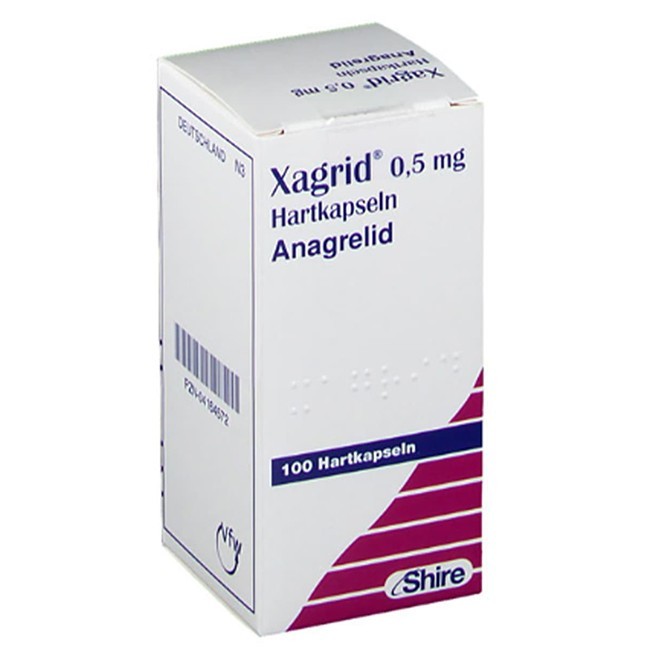
Anagrelide(Xagrid)
Anagrelide(Xagrid)
A platelet-reducing agent for treating thrombocythemia secondary to...
WeChat Scan
Free Inquiry
Recommended Articles
Anagrelide (Agrylin): Side Effects, Management Strategies and Storage Guidelines
Anagrelide is a platelet-lowering agent with well-established efficacy, yet it is associated with a variety of adverse reactions.I. Common Side Effects1. Adverse Reactions with an Incidence Rate ≥ 5%T...
Drug Overview and Administration Guidance for Topiroxostat
Topiroxostat is a non-purine selective xanthine oxidase inhibitor indicated for the treatment of gout and hyperuricemia.I. Pharmaceutical Properties and Mechanism of Action1. Active Ingredient and Dos...
Key Clinical Application Guidelines for Topiroxostat
Topiroxostat is a non-purine selective xanthine oxidase inhibitor that exerts a uric acid-lowering effect by inhibiting uric acid production.I. Indications and Target Population1. Approved Indications...
Mavacamten (Camzyos) Side Effect Management and Storage Guidelines
Mavacamten (Camzyos) is used for the treatment of obstructive hypertrophic cardiomyopathy with significant efficacy, but side effects may occur during administration.I. Common Side Effects1. Dizziness...
Analysis of the Therapeutic Value and Accessibility of Safinamide (Xadago)
As an adjunctive treatment for "off" episodes in Parkinson’s disease, safinamide’s clinical efficacy, medical insurance coverage, and pricing are common concerns for patients and their famil...
Safinamide (Xadago): Domestic Launch and Purchase Guide in China
As an adjunctive treatment for Parkinson’s disease, the accessibility of safinamide in China is a major concern for patients.I. Domestic Launch Status1. Not Yet Launched in Chinese Mainland(1) As of A...
Side Effects of Cenobamate and Management Strategies
Cenobamate is an effective novel antiepileptic drug, but it is associated with a range of side effects.I. Side Effects of Cenobamate1. Most Common Side Effects (Incidence ≥10% and higher than placebo)...
Dosage and Administration, Precautions, and Healthy Lifestyle for Cenobamate
Cenobamate is a novel once-daily oral antiepileptic drug. Correct dosage and administration, strict adherence to precautions, and a healthy lifestyle are critical to ensuring its efficacy and safety.I...
Related Articles
Dosage and Administration, Precautions, and Healthy Living Guidelines for Anagrelide (Agrylin)
Anagrelide is a prescription platelet-lowering medication that must be used precisely under the guidance of a physician.I. Dosage and Administration1. Adult Starting Dose(1) The recommended starting d...
Anagrelide (Agrylin): Side Effects, Management Strategies and Storage Guidelines
Anagrelide is a platelet-lowering agent with well-established efficacy, yet it is associated with a variety of adverse reactions.I. Common Side Effects1. Adverse Reactions with an Incidence Rate ≥ 5%T...
Adverse Reactions of Anagrelide (Agrylin)
Anagrelide (Agrylin) is a medication indicated for the treatment of secondary thrombocytosis associated with myeloproliferative neoplasms. While demonstrating favorable clinical efficacy, its administ...
What are the Precautions for Anagrelide (Agrylin) Administration?
Anagrelide (Agrylin) is a prescription medication indicated for the treatment of thrombocythemia secondary to myeloproliferative neoplasms. It reduces the risk of thrombosis by lowering platelet count...
Dosage and Administration, Recommended Dosage of Anagrelide (Agrylin)
Anagrelide (Agrylin) is a prescription medication indicated for the treatment of thrombocytosis. Correct administration and dosage are crucial to its therapeutic efficacy and safety.Dosage and Adminis...
What Are the Indications for Anagrelide (Agrylin)?
Anagrelide (Agrylin) is an oral antiplatelet agent primarily indicated for the treatment of thrombocytosis caused by myeloproliferative neoplasms. By reducing platelet count, this medication lowers th...
Purchase Channels for Anagrelide (Agrylin)
Anagrelide (Agrylin) is a medication indicated for the treatment of secondary thrombocytosis associated with myeloproliferative neoplasms. It can effectively reduce platelet count, lower the risk of t...
How Effective is Anagrelide (Agrylin) in Treatment?
Anagrelide (Agrylin) is a drug specifically used to treat thrombocythemia, and it is particularly suitable for secondary thrombocythemia associated with myeloproliferative neoplasms.How Effective is A...
New Drugs
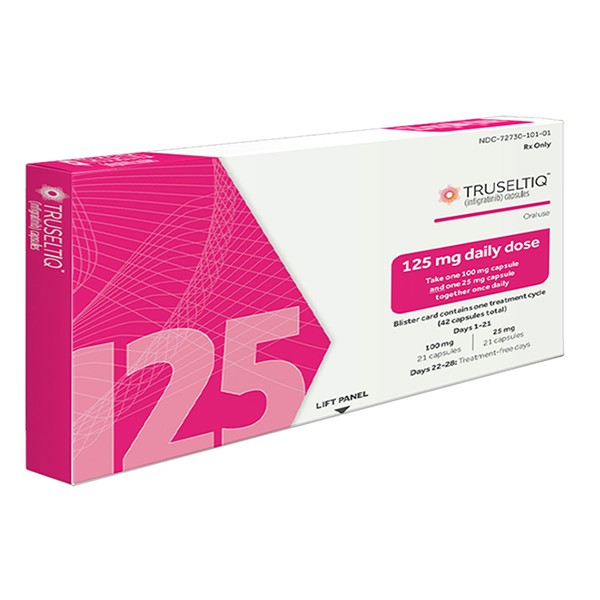
Infigratinib(Truseltiq)
Treatment of previously treated, unresectable locally advanced or metastatic...
Opicapone(Ongentys)
Opicapone(Ongentys)
Adjunctive treatment to levodopa/carbidopa for reducing "off" episodes in...
Deflazacort(Emflaza)
Treatment of Duchenne muscular dystrophy (DMD) in patients aged 2 years and...
Faricimab-svoa(Vabysmo)
Treatment of neovascular age-related macular degeneration, diabetic macular...
Counselling Service
Global Drug Search
Clinical Research Recruitment
Overseas Medical Treatment
Remote Consultations
Note: Our medical consultant will contact you as soon as possible. We promise to strictly protect your privacy.
Submit
Business
  • Core products
  • Antitumor drugs
  • General drug
  • Antiviral drugs
  • Biological agents
Contact Us 
  • haiousales@gmail.com
Welcome to consult
Seagull Pharmacy.,Ltd All rights reserved