info@seagull-health.com
SeagullHealth
语言:
search
new
Comprehensive Analysis of Entacapone: Pharmaceutical Properties, Mechanism of Action and Precautions for Use
507
Article source: Seagull Pharmacy
Mar 05, 2026

Entacapone is an important adjuvant drug for the treatment of Parkinson’s disease, usually used in combination with levodopa/carbidopa.

I. Drug Overview of Entacapone

1. Drug Class

Entacapone is a selective and reversible catechol‑O‑methyltransferase (COMT) inhibitor, belonging to the nitrocatechol structural compounds.

2. Clinical Position

(1) As an adjunct to levodopa/carbidopa, entacapone is used to improve the end‑of‑dose “on‑off” phenomena in patients with Parkinson’s disease.

(2) It has no anti‑Parkinsonian effect on its own and must be used in combination with levodopa/carbidopa; it must not be used alone.

II. Mechanism of Action and Drug Interactions

1. Core Mechanism of Action

Entacapone exerts its effect by inhibiting the activity of the COMT enzyme.

2. Pharmacokinetic Properties

(1) Absorption and distribution:

Oral absorption of entacapone is rapid, with peak plasma concentrations achieved at approximately 1 hour, and absolute bioavailability of 35%. Food does not affect its pharmacokinetics. The volume of distribution is small (20 L), and 98% of the drug is bound to plasma proteins (mainly albumin).

(2) Metabolism and excretion:

The drug is almost completely metabolized before excretion, with only 0.2% excreted unchanged in urine. The major metabolic pathway is direct glucuronidation after isomerization, and the metabolites are inactive. Following oral administration, 10% is excreted in urine and 90% in feces.

(3) Dose‑related characteristics:

Entacapone exhibits linear pharmacokinetics over the dose range of 5 mg to 800 mg. A single 200‑mg dose inhibits erythrocyte COMT activity by an average of 65%, with activity returning to baseline within 8 hours.

3. Important Drug Interactions

(1) With non‑selective MAO inhibitors:

Concomitant use with non‑selective monoamine oxidase (MAO) inhibitors (e.g., phenelzine, tranylcypromine) may theoretically cause excessive blockade of catecholamine metabolic pathways, leading to arrhythmias and severe blood pressure fluctuations; such combinations should be avoided. Selective MAO‑B inhibitors (e.g., selegiline) can be safely combined with entacapone.

(2) With drugs metabolized by COMT:

Drugs metabolized by COMT, including isoprenaline, adrenaline, noradrenaline, dopamine, and dobutamine, regardless of the route of administration, may cause tachycardia, arrhythmias, and excessive blood pressure fluctuations when combined with entacapone.

(3) With warfarin:

Entacapone increases the mean AUC of R‑warfarin by 18% and the mean INR by 13%. Markedly increased INR has been reported post‑marketing; INR monitoring is recommended during co‑administration.

(4) With drugs affecting biliary excretion:

Since entacapone is primarily excreted via bile, caution is advised when co‑administered with drugs that may interfere with biliary excretion, glucuronidation, or intestinal β‑glucuronidase activity, such as probenecid, cholestyramine, erythromycin, rifampicin, ampicillin, and chloramphenicol.

(5) Other interactions:

In vitro studies show that entacapone inhibits CYP enzymes only at very high concentrations (IC50 200 μM to >1000 μM), and no clinically relevant CYP‑mediated interactions are expected. No interactions have been observed with imipramine or selegiline.

III. Precautions and Monitoring Points

1. Administration and Dosage Adjustment

(1) Recommended dose:

The recommended dose of entacapone is 200 mg administered with each levodopa/carbidopa dose, up to 8 times daily (total dose not exceeding 1600 mg). Clinical experience with daily doses above 1600 mg is limited.

(2) Levodopa dosage adjustment:

In clinical studies, most patients with a daily levodopa dose ≥800 mg or moderate‑to‑severe dyskinesia before treatment required levodopa reduction. The mean daily levodopa dose was reduced by approximately 25% in those requiring dose reduction, and more than 58% of patients with a daily dose >800 mg needed reduction.

(3) Administration:

May be taken with or without food, and may be combined with immediate‑release or extended‑release levodopa/carbidopa formulations.

2. Other Precautions

(1) Urine discoloration:

Approximately 10% of patients develop brownish‑orange urine, which is a normal finding due to drug metabolites and has no clinical significance.

(2) Iron chelation:

Entacapone can chelate iron. A trend toward decreased serum iron has been observed in clinical studies, but no significant changes in serum ferritin or anemia incidence were seen after one year of treatment.

(3) Melanoma risk:

Epidemiological studies indicate that patients with Parkinson’s disease have a 2–6‑fold higher risk of melanoma than the general population. Regular skin examinations are recommended during treatment.

(4) Laboratory monitoring:

INR monitoring is required during co‑administration with warfarin. Caution is advised in patients with hepatic impairment, although no specific monitoring parameters are required.

For further information, please refer to the prescribing information for Entacapone.

Note: For internal discussion among medical personnel only. For specific medication, please consult the attending physician. Drug information may change over time. For the latest information, we recommend adding a medical consultant or consulting for free online.
Recommended Articles
Julina User Guide: Storage, Diet and Missed Dose Management
Estradiol Tablets (Julina) play an important role in improving menopausal symptoms, preventing osteoporosis, and assisted reproductive therapy.I. Proper Storage of Estradiol TabletsStore at room tempe...
Complete Analysis of Julina: Uses, Mechanism and Precautions
Estradiol Tablets (Julina) is a prescription drug containing estrogen, mainly used to relieve menopausal symptoms, treat osteoporosis, and regulate endometrial conditions in assisted reproductive tech...
Bezafibrate Sustained-Release Tablets: Indications, Contraindicated Populations and Special Administration Guidelines
Bezafibrate Sustained-Release Tablets are a prescription medicine mainly used for blood lipid regulation, indicated for a variety of hyperlipidemia types.1. Indications: Which patients are suitable fo...
Indications, Contraindications, and Special Populations of VonosapPack
VonosapPack is a fixed-dose combination medicinal product for the eradication of Helicobacter pylori. To ensure efficacy and avoid risks, it is essential to clarify its indications, strictly adhere to...
Clinical Practice Guidelines for Entacapone: Indications, Contraindications, and Use in Special Populations
Entacapone is used as an adjunctive medication for the treatment of Parkinson’s disease, usually in combination with levodopa/carbidopa.I. Indications of Entacapone1. Core Indications(1) Entacapone is...
Medication Guidance and Patient Health Management of Fulvestrant
Fulvestrant is an estrogen receptor antagonist, primarily indicated for the treatment of hormone receptor‑positive, human epidermal growth factor receptor 2 (HER2)‑negative advanced breast cancer.1. D...
Fulvestrant Side Effect Management and Storage Guide
Fulvestrant is an effective agent for the treatment of hormone receptor‑positive advanced breast cancer.I. Common Side Effects of Fulvestrant1. Injection Site Reactions(1) Fulvestrant is administered ...
Medication Guide for Fulvestrant
Fulvestrant is an estrogen receptor antagonist, mainly indicated for the treatment of hormone receptor-positive, HER2-negative advanced or metastatic breast cancer.I. Indications1. MonotherapyFulvestr...
Related Articles
Dosage and Administration, Precautions, and Healthy Lifestyle for Cenobamate
Cenobamate is a novel once-daily oral antiepileptic drug. Correct dosage and administration, strict adherence to precautions, and a healthy lifestyle are critical to ensuring its efficacy and safety.I...
Side Effects of Cenobamate and Management Strategies
Cenobamate is an effective novel antiepileptic drug, but it is associated with a range of side effects.I. Side Effects of Cenobamate1. Most Common Side Effects (Incidence ≥10% and higher than placebo)...
Safinamide (Xadago): Domestic Launch and Purchase Guide in China
As an adjunctive treatment for Parkinson’s disease, the accessibility of safinamide in China is a major concern for patients.I. Domestic Launch Status1. Not Yet Launched in Chinese Mainland(1) As of A...
Analysis of the Therapeutic Value and Accessibility of Safinamide (Xadago)
As an adjunctive treatment for "off" episodes in Parkinson’s disease, safinamide’s clinical efficacy, medical insurance coverage, and pricing are common concerns for patients and their famil...
Dosage and Administration, Precautions, and Healthy Living Guidelines for Anagrelide (Agrylin)
Anagrelide is a prescription platelet-lowering medication that must be used precisely under the guidance of a physician.I. Dosage and Administration1. Adult Starting Dose(1) The recommended starting d...
Anagrelide (Agrylin): Side Effects, Management Strategies and Storage Guidelines
Anagrelide is a platelet-lowering agent with well-established efficacy, yet it is associated with a variety of adverse reactions.I. Common Side Effects1. Adverse Reactions with an Incidence Rate ≥ 5%T...
Drug Overview and Administration Guidance for Topiroxostat
Topiroxostat is a non-purine selective xanthine oxidase inhibitor indicated for the treatment of gout and hyperuricemia.I. Pharmaceutical Properties and Mechanism of Action1. Active Ingredient and Dos...
Key Clinical Application Guidelines for Topiroxostat
Topiroxostat is a non-purine selective xanthine oxidase inhibitor that exerts a uric acid-lowering effect by inhibiting uric acid production.I. Indications and Target Population1. Approved Indications...
New Drugs
Infigratinib(Truseltiq)
Treatment of previously treated, unresectable locally advanced or metastatic...
Opicapone(Ongentys)
Opicapone(Ongentys)
Adjunctive treatment to levodopa/carbidopa for reducing "off" episodes in...
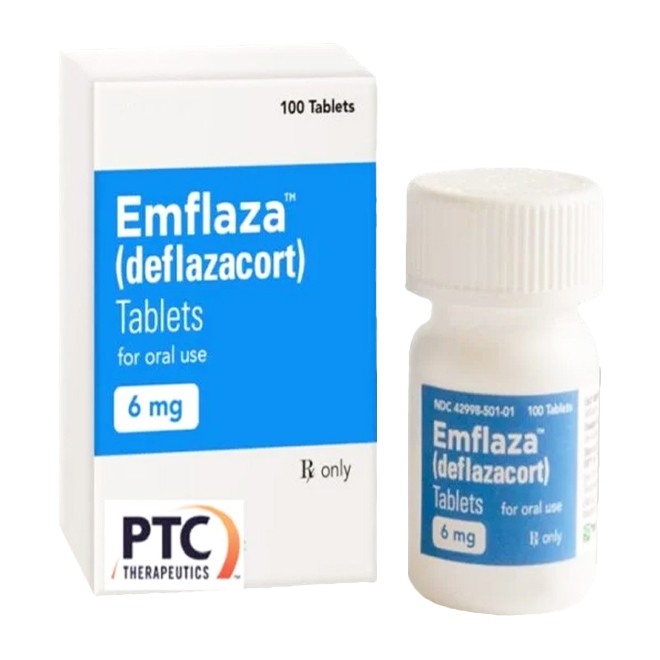
Deflazacort(Emflaza)
Treatment of Duchenne muscular dystrophy (DMD) in patients aged 2 years and...
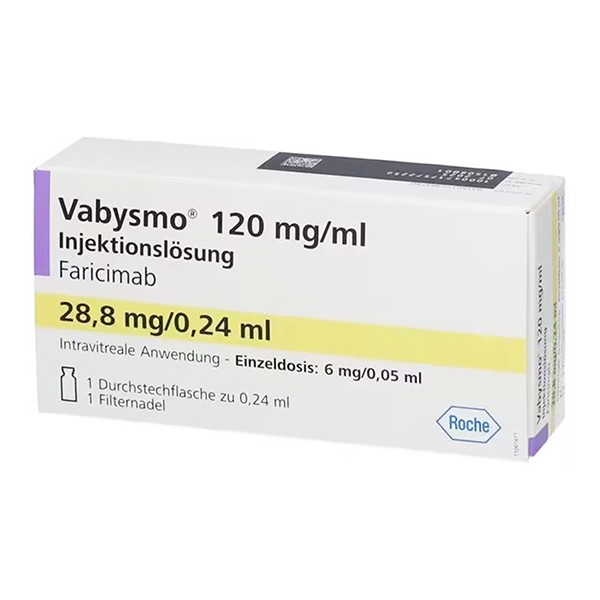
Faricimab-svoa(Vabysmo)
Treatment of neovascular age-related macular degeneration, diabetic macular...
Counselling Service
Global Drug Search
Clinical Research Recruitment
Overseas Medical Treatment
Remote Consultations
Note: Our medical consultant will contact you as soon as possible. We promise to strictly protect your privacy.
Submit
Business
  • Core products
  • Antitumor drugs
  • General drug
  • Antiviral drugs
  • Biological agents
Contact Us 
  • haiousales@gmail.com
Welcome to consult
Seagull Pharmacy.,Ltd All rights reserved