info@seagull-health.com
SeagullHealth
语言:
search
new
Accommodation Function Improvement Eye Drops (Sancoba Eye Drops): Usage, Precautions and Healthy Lifestyle
509
Article source: Seagull Pharmacy
May 14, 2026

This article systematically introduces the usage, dosage, precautions, and supportive healthy lifestyle measures for the ophthalmic solution for improving accommodative function (Sancoba eye drops), helping users safely and effectively alleviate accommodative eye fatigue.

I. Usage and Dosage

1. Standard Dosage

(1) Usually, instill 1-2 drops per application, 3-5 times daily.

(2) Apply to both eyes. For severe symptoms, the frequency may be increased appropriately, but do not exceed 2 drops per single application.

2. Instillation Method

(1) Wash hands thoroughly to avoid contaminating the solution.

(2) Tilt the head back slightly, gently pull down the lower eyelid, and instill the drops into the conjunctival sac (the depression between the eyeball and the lower eyelid).

(3) Close the eyes for 1-2 minutes and gently press the inner corner of the eye (near the nose) to reduce drainage of the solution through the nasolacrimal duct into the mouth.

(4) Do not let the bottle tip touch the eye, eyelashes, or any other surface to prevent contamination.

3. Interval with Other Eye Drops

(1) When using other eye drops concurrently, maintain an interval of at least 5 minutes.

(2) Use one drop, wait 5 minutes, then use the second. The order generally does not matter.

(3) If using eye ointment simultaneously, instill the eye drops first, then apply the ointment.

4. Adjustment According to Symptoms

(1) The frequency may be increased or decreased appropriately depending on symptom severity.

(2) For mild symptoms, use 3 times daily; for severe symptoms or prolonged screen use, increase to up to 5 times daily, but do not exceed 6 times daily to avoid preservative accumulation and corneal irritation.

II. Precautions

1. Soft Contact Lens Wearers

(1) This product contains benzalkonium chloride (a preservative) that can be adsorbed by soft contact lenses.

(2) Remove the lenses before instillation. Wait at least 5-10 minutes after instillation before reinserting the lenses.

(3) Rigid gas permeable lenses are less affected, but it is still recommended to remove them before use.

2. Preventing Contamination of the Solution

(1) The bottle tip must not touch the eye, eyelashes, fingers, or any other surface.

(2) Tightly close the cap immediately after each use.

(3) For single patient use only; do not share with others.

(4) Discard within 4 weeks after opening, or sooner if the solution changes color or becomes cloudy.

3. Watch for Allergic Reactions

(1) Although side effects are rare, if symptoms such as redness, itching, or eyelid swelling occur after first use or long-term use, discontinue immediately and observe.

(2) Seek medical attention if symptoms persist.

III. Healthy Lifestyle for Patients

1. Reasonable Eye Use Habits

(1) 20-20-20 rule: Every 20 minutes of near work, look at something 20 feet (about 6 meters) away for 20 seconds.

(2) Accommodative relaxation: Get up and move for 5 minutes every hour, look out the window into the distance to relax the ciliary muscle.

(3) Adequate lighting: Avoid reading in overly dim or overly bright environments, and reduce screen glare.

2. Dietary Adjustments

(1) Consume foods rich in B vitamins: whole grains, lean meats, eggs, legumes.

(2) Supplement lutein and zeaxanthin: dark green vegetables (spinach, kale), corn, egg yolks.

(3) Vitamin C and E: citrus fruits, nuts, vegetable oils – help with antioxidant effects.

(4) Adequate hydration: 1.5-2 liters of water per day to maintain ocular surface moisture.

3. Eye Care

(1) Warm compress: Once or twice daily, apply a warm towel at about 40°C over closed eyes for 5-10 minutes to promote meibomian gland secretion and relieve dry eye.

(2) Blinking exercise: Consciously perform a complete blink every 10-20 seconds to avoid prolonged staring that causes tear film breakup.

(3) Eye massage: Gently press the bony rim around the eyes (Zanzhu, Yuyao, Taiyang points), avoiding direct pressure on the eyeballs.

Note: For internal discussion among medical personnel only. For specific medication, please consult the attending physician. Drug information may change over time. For the latest information, we recommend adding a medical consultant or consulting for free online.
Recommended Articles
A Complete Analysis of Side Effects and Storage of Stomin, a Japanese Tinnitus Relief Medication
As a commonly used clinical tinnitus treatment in Japan, Stomin has a good overall safety profile, but adverse reactions may still occur.I. What are the side effects of Stomin?1. Digestive system side...
Usage, Precautions and Healthy Living Guidelines for Japanese Tinnitus Relief Agent (Stomin)
This is a commonly prescribed therapeutic drug for tinnitus in Japan. Mastering the correct usage and dosage, understanding precautions, and adopting a healthy lifestyle can help improve efficacy and ...
Side effects, relief methods and storage requirements of Acotiamide (Acofide)
Acofide has shown good safety in clinical trials, but some users may still experience adverse reactions.I. What are the side effects of Acofide?1. Common side effects (incidence ≥1%)According to Japan...
Dosage and Administration, Precautions, and Healthy Lifestyle for Acofide (Acotiamide)
Correct use of acotiamide is key to ensuring efficacy and safety.I. Dosage and Administration1. Standard Dosage(1) The standard adult dosage is 100 mg once, three times a day, taken orally before meal...
Ophthalmic Solution for Improving Regulatory Function (Sancoba Ophthalmic Solution) Side Effects, Countermeasures and Storage Guidelines
This article details the known side effects, relief measures, and storage requirements of Sancoba ophthalmic solution (a ciliary function-improving eye drop) to help users use this product safely and ...
Pomalidomide: Side Effects, Mitigation Methods and Storage Guidelines
Pomalidomide has clear efficacy in the treatment of multiple myeloma and Kaposi sarcoma, but is also associated with various adverse reactions.I. Common side effects of pomalidomide1. Hematologic toxi...
Indications, Contraindications and Medication Guidelines for Special Populations of Pomalidomide
Pomalidomide is a potent immunomodulatory agent used for the treatment of specific hematologic malignancies and sarcomas.I. Indications for Pomalidomide1. Multiple MyelomaPomalidomide in combination w...
Major Side Effects of Propafenone Hydrochloride
Propafenone Hydrochloride (Rythmol) is a potent Class Ic antiarrhythmic agent, but its use is associated with a range of potential side effects.I. Major Side Effects of Propafenone Hydrochloride1. Com...
Related Articles
Side Effects and Adverse Reaction Management of Imetelstat
Imetelstat, as an innovative telomerase inhibitor, offers a new therapeutic option for patients with specific myelodysplastic syndromes.I. Hematologic Adverse Reactions1. Recognition and Prevention of...
Contraindications and Precautions for Special Populations of Imetelstat
Imetelstat, as a novel targeted agent, has no absolute contraindications, but special populations require extra caution.I. Contraindications and General Warnings1. No Absolute Contraindications(1) The...
Drug Precautions for Tebipenem Pivoxil (Utebzi)
Tebipenem pivoxil (Utebzi) is an oral antibiotic used to treat specific complicated urinary tract infections.I. Correct Administration and Dose Management1. Take strictly on time and at the prescribed...
Dosage and Administration of Epoetin alfa
The dosage and administration of epoetin alfa must be individualized, based on the indication, patient age, and treatment response. The core goal is to maintain hemoglobin levels at the lowest effecti...
Dosage and Administration of Inclisiran Sodium Injection
The dosage and administration of inclisiran sodium injection are based on a fixed dosing schedule and strict subcutaneous injection operation specifications.Recommended DoseFor adult and pediatric pat...
Indications and Precautions for Use of Meloxicam Injection
Meloxicam injection is a nonsteroidal anti-inflammatory drug (NSAID) indicated for the management of moderate to severe pain in adults. Understanding its indications and the key precautions throughout...
Storage of Cecleclidine Eye Drops (Vizz)
Proper storage is the key to maintaining the efficacy and sterility of Vizz. The following explains three aspects: refrigeration guidelines, management after removal from the cold chain, and packaging...
Indications and Precautions for Use of Cecleclidine Eye Drops (Vizz)
Aceclidine ophthalmic solution offers a pharmacological option for improving near vision in adults with presbyopia, but clarifying its indications and key precautions before and after administration i...
New Drugs
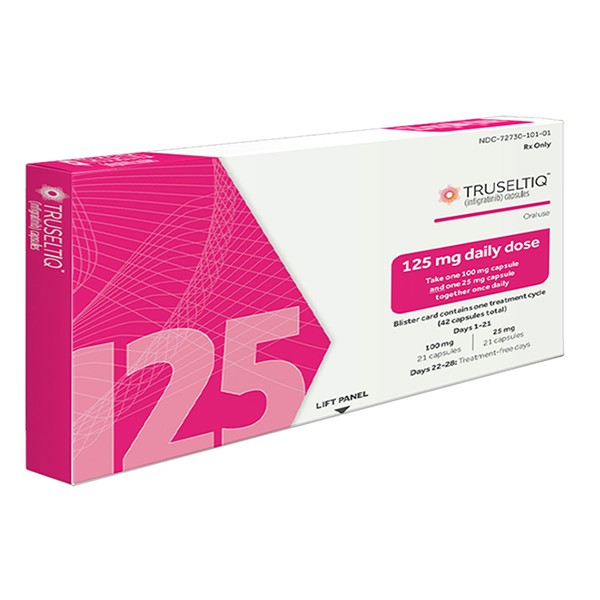
Infigratinib(Truseltiq)
Treatment of previously treated, unresectable locally advanced or metastatic...
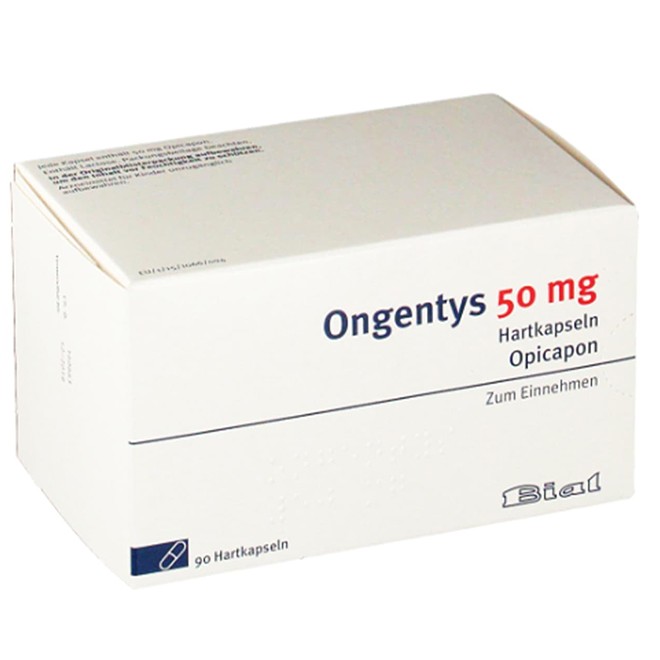
Opicapone(Ongentys)
Opicapone(Ongentys)
Adjunctive treatment to levodopa/carbidopa for reducing "off" episodes in...
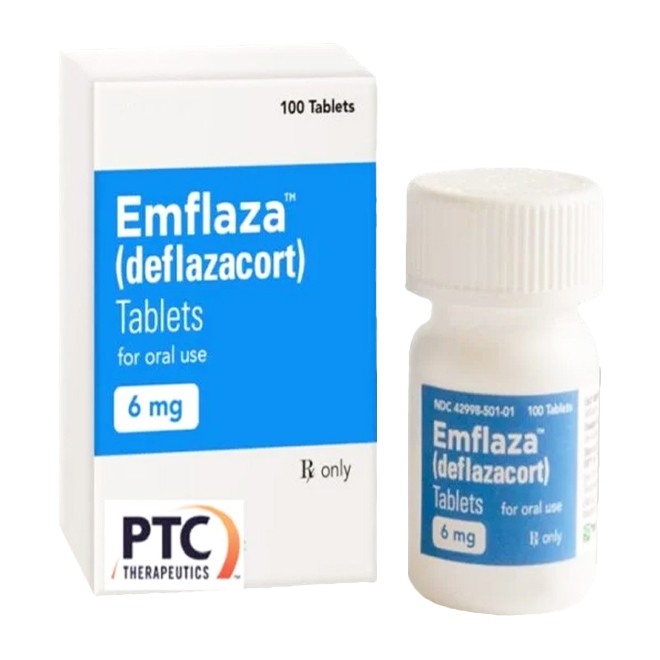
Deflazacort(Emflaza)
Treatment of Duchenne muscular dystrophy (DMD) in patients aged 2 years and...
Faricimab-svoa(Vabysmo)
Treatment of neovascular age-related macular degeneration, diabetic macular...
Counselling Service
Global Drug Search
Clinical Research Recruitment
Overseas Medical Treatment
Remote Consultations
Note: Our medical consultant will contact you as soon as possible. We promise to strictly protect your privacy.
Submit
Business
  • Core products
  • Antitumor drugs
  • General drug
  • Antiviral drugs
  • Biological agents
Contact Us 
  • haiousales@gmail.com
Welcome to consult
Seagull Pharmacy.,Ltd All rights reserved