info@seagull-health.com
SeagullHealth
语言:
search
new
Pomalidomide: Side Effects, Mitigation Methods and Storage Guidelines
507
Article source: Seagull Pharmacy
May 15, 2026

Pomalidomide has clear efficacy in the treatment of multiple myeloma and Kaposi sarcoma, but is also associated with various adverse reactions.

I. Common side effects of pomalidomide

1. Hematologic toxicity

(1) Neutropenia is the most common grade 3/4 adverse reaction, occurring in approximately 46% of patients.

(2) Anemia and thrombocytopenia are also common, accounting for about 42% and 23%, respectively.

(3) Febrile neutropenia occurs in about 8% of patients.

(4) In patients with Kaposi sarcoma, the incidence of neutropenia is as high as 96% (grade 3/4 in 50%).

2. Constitutional symptoms

(1) Fatigue and weakness are most prominent, occurring in about 63% of patients.

(2) Fever, peripheral edema, and chills are also common.

(3) Fatigue occurs in about 68% of patients with Kaposi sarcoma.

3. Gastrointestinal reactions

(1) Constipation and diarrhea each occur in about 37% of patients, nausea in about 24-36%.

(2) In patients with Kaposi sarcoma, constipation occurs in 71%, nausea in 36%, and diarrhea in 32%.

4. Respiratory symptoms

Dyspnea occurs in about 45% of patients, cough in about 22%, and upper respiratory tract infection in about 29%.

5. Neuropsychiatric system

Peripheral neuropathy in about 18%, dizziness in about 14%, confusional state in about 7-13%.

6. Skin reactions

(1) Rash in about 16-21%, pruritus in about 9-15%, hyperhidrosis in about 16%.

(2) Be alert for severe skin reactions such as Stevens-Johnson syndrome and toxic epidermal necrolysis.

7. Other important adverse reactions

Venous and arterial thromboembolism (deep vein thrombosis 4.7%, myocardial infarction and stroke about 3%), liver function impairment (elevated liver enzymes, liver failure), tumor lysis syndrome, second primary malignancies (acute myeloid leukemia), etc.

II. Ways and means to alleviate side effects

1. Management of hematologic toxicity

Monitor complete blood count weekly for the first 8 weeks of treatment, then monthly thereafter.

2. Prevention of thromboembolism

(1) Patients with risk factors for thrombosis should receive antithrombotic prophylaxis.

(2) Inform patients to seek immediate medical attention if they experience symptoms of thrombosis such as shortness of breath, chest pain, limb swelling, sudden numbness, or severe headache.

3. Monitoring of liver function impairment

(1) Monitor liver function monthly. If elevated liver enzymes occur, interrupt pomalidomide for evaluation, and consider resuming treatment at a lower dose after recovery to baseline.

(2) Patients should report symptoms such as jaundice, dark urine, or right upper quadrant pain promptly.

4. Management of severe skin reactions

(1) Consider interrupting or discontinuing pomalidomide for grade 2-3 rash.

(2) Permanently discontinue pomalidomide if grade 4 rash, exfoliative or bullous rash, or confirmed Stevens-Johnson syndrome, toxic epidermal necrolysis, or DRESS syndrome occurs.

5. Management of neurological symptoms

(1) Avoid activities requiring high alertness (e.g., driving).

(2) Patients with dizziness and confusional state should not add other medications that may worsen these symptoms on their own.

6. Supportive care measures

(1) For severe anemia, red blood cell transfusion or erythropoietin may be used.

(2) Febrile neutropenia requires broad-spectrum antibiotics.

(3) Nausea, diarrhea, and constipation can be managed symptomatically with antiemetics, antidiarrheals, and laxatives.

III. Storage conditions for pomalidomide

1. Temperature requirements

Store at room temperature between 20°C and 25°C, with brief excursions permitted between 15°C and 30°C.

2. Handling precautions

(1) Capsules should be swallowed whole, not opened, crushed, or chewed.

(2) If accidental contact with powder from a broken capsule occurs, wash the skin thoroughly with soap and water.

(3) If powder contacts mucous membranes, rinse with copious amounts of water.

3. Child safety

Keep the medication out of the reach of children.

Note: For internal discussion among medical personnel only. For specific medication, please consult the attending physician. Drug information may change over time. For the latest information, we recommend adding a medical consultant or consulting for free online.
Recommended Articles
Ophthalmic Solution for Improving Regulatory Function (Sancoba Ophthalmic Solution) Side Effects, Countermeasures and Storage Guidelines
This article details the known side effects, relief measures, and storage requirements of Sancoba ophthalmic solution (a ciliary function-improving eye drop) to help users use this product safely and ...
Accommodation Function Improvement Eye Drops (Sancoba Eye Drops): Usage, Precautions and Healthy Lifestyle
This article systematically introduces the usage, dosage, precautions, and supportive healthy lifestyle measures for the ophthalmic solution for improving accommodative function (Sancoba eye drops), h...
A Complete Analysis of Side Effects and Storage of Stomin, a Japanese Tinnitus Relief Medication
As a commonly used clinical tinnitus treatment in Japan, Stomin has a good overall safety profile, but adverse reactions may still occur.I. What are the side effects of Stomin?1. Digestive system side...
Usage, Precautions and Healthy Living Guidelines for Japanese Tinnitus Relief Agent (Stomin)
This is a commonly prescribed therapeutic drug for tinnitus in Japan. Mastering the correct usage and dosage, understanding precautions, and adopting a healthy lifestyle can help improve efficacy and ...
Indications, Contraindications and Medication Guidelines for Special Populations of Pomalidomide
Pomalidomide is a potent immunomodulatory agent used for the treatment of specific hematologic malignancies and sarcomas.I. Indications for Pomalidomide1. Multiple MyelomaPomalidomide in combination w...
Major Side Effects of Propafenone Hydrochloride
Propafenone Hydrochloride (Rythmol) is a potent Class Ic antiarrhythmic agent, but its use is associated with a range of potential side effects.I. Major Side Effects of Propafenone Hydrochloride1. Com...
Dosage and Administration Guidelines of Propafenone Hydrochloride (Rythmol)
Propafenone Hydrochloride (Rythmol) is a class Ic antiarrhythmic agent primarily used to prolong the time to recurrence of symptomatic atrial fibrillation (AF) and paroxysmal supraventricular tachycar...
What are the common side effects of Momelotinib
Momelotinib is a targeted therapy used for the treatment of intermediate/high-risk myelofibrosis with anemia. Understanding its common side effects, mastering management strategies, and proper storage...
Related Articles
Side Effects and Adverse Reaction Management of Imetelstat
Imetelstat, as an innovative telomerase inhibitor, offers a new therapeutic option for patients with specific myelodysplastic syndromes.I. Hematologic Adverse Reactions1. Recognition and Prevention of...
Contraindications and Precautions for Special Populations of Imetelstat
Imetelstat, as a novel targeted agent, has no absolute contraindications, but special populations require extra caution.I. Contraindications and General Warnings1. No Absolute Contraindications(1) The...
Drug Precautions for Tebipenem Pivoxil (Utebzi)
Tebipenem pivoxil (Utebzi) is an oral antibiotic used to treat specific complicated urinary tract infections.I. Correct Administration and Dose Management1. Take strictly on time and at the prescribed...
Dosage and Administration of Epoetin alfa
The dosage and administration of epoetin alfa must be individualized, based on the indication, patient age, and treatment response. The core goal is to maintain hemoglobin levels at the lowest effecti...
Dosage and Administration of Inclisiran Sodium Injection
The dosage and administration of inclisiran sodium injection are based on a fixed dosing schedule and strict subcutaneous injection operation specifications.Recommended DoseFor adult and pediatric pat...
Indications and Precautions for Use of Meloxicam Injection
Meloxicam injection is a nonsteroidal anti-inflammatory drug (NSAID) indicated for the management of moderate to severe pain in adults. Understanding its indications and the key precautions throughout...
Storage of Cecleclidine Eye Drops (Vizz)
Proper storage is the key to maintaining the efficacy and sterility of Vizz. The following explains three aspects: refrigeration guidelines, management after removal from the cold chain, and packaging...
Indications and Precautions for Use of Cecleclidine Eye Drops (Vizz)
Aceclidine ophthalmic solution offers a pharmacological option for improving near vision in adults with presbyopia, but clarifying its indications and key precautions before and after administration i...
New Drugs
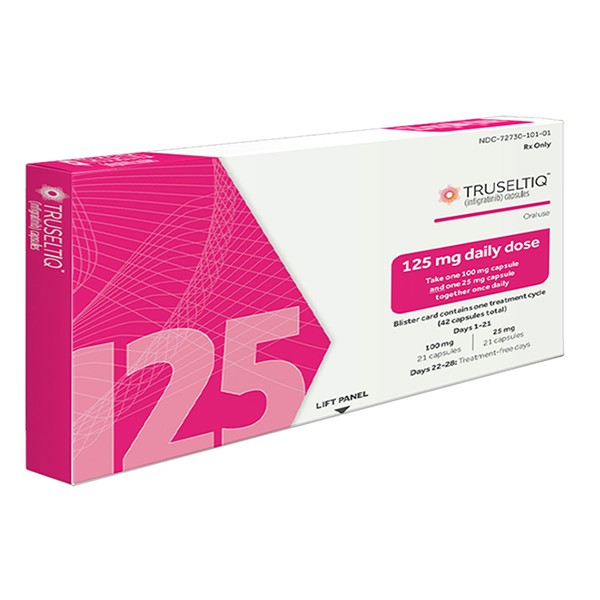
Infigratinib(Truseltiq)
Treatment of previously treated, unresectable locally advanced or metastatic...
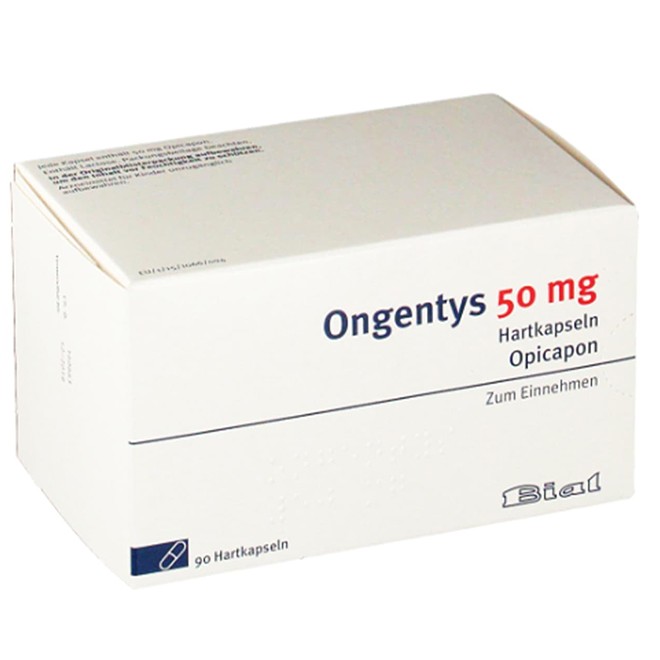
Opicapone(Ongentys)
Opicapone(Ongentys)
Adjunctive treatment to levodopa/carbidopa for reducing "off" episodes in...
Deflazacort(Emflaza)
Treatment of Duchenne muscular dystrophy (DMD) in patients aged 2 years and...
Faricimab-svoa(Vabysmo)
Treatment of neovascular age-related macular degeneration, diabetic macular...
Counselling Service
Global Drug Search
Clinical Research Recruitment
Overseas Medical Treatment
Remote Consultations
Note: Our medical consultant will contact you as soon as possible. We promise to strictly protect your privacy.
Submit
Business
  • Core products
  • Antitumor drugs
  • General drug
  • Antiviral drugs
  • Biological agents
Contact Us 
  • haiousales@gmail.com
Welcome to consult
Seagull Pharmacy.,Ltd All rights reserved