 info@seagull-health.com
 SeagullHealth
 search

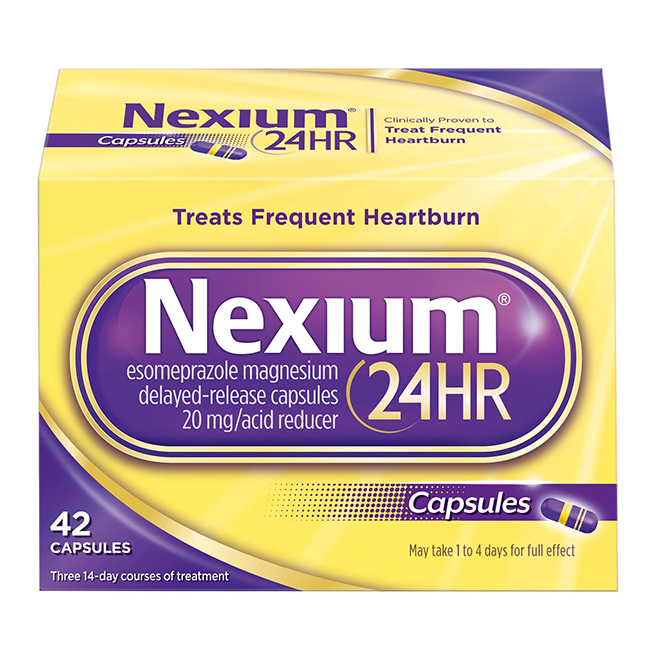
Who can use NEXIUM(Esomeprazole)?
Indications of Esomeprazole (NEXIUM)
1. Healing of Erosive Esophagitis (EE)
(1) Adults
Esomeprazole sustained-release capsules and esomeprazole sustained-release oral suspension are indicated for short-term treatment (4–8 weeks) of diagnostically confirmed EE in adults for healing and symptom relief. For patients who have not healed after 4 to 8 weeks of treatment, an additional 4–8 weeks of esomeprazole may be considered.
(2) Pediatric Patients Aged 12 to 17 Years
Esomeprazole sustained-release capsules and esomeprazole sustained-release oral suspension are indicated for short-term treatment (4–8 weeks) of EE healing in pediatric patients aged 12 to 17 years.
(3) Pediatric Patients Aged 1 to 11 Years
Esomeprazole sustained-release oral suspension is indicated for short-term treatment (8 weeks) of EE in pediatric patients aged 1 to 11 years.
(4) Pediatric Patients Aged 1 Month to Under 1 Year
Esomeprazole sustained-release oral suspension is indicated for short-term treatment (up to 6 weeks) of EE caused by acid-mediated gastroesophageal reflux in pediatric patients aged 1 month to under 1 year.
2. Maintenance After Healing of Erosive Esophagitis (EE)
Esomeprazole sustained-release capsules and esomeprazole sustained-release oral suspension are indicated for maintaining healing of EE in adults. Controlled studies should not exceed 6 months.
3. Treatment of Symptomatic Gastroesophageal Reflux Disease (GERD)
(1) Adults
Esomeprazole sustained-release capsules and esomeprazole sustained-release oral suspension are indicated for short-term treatment (4–8 weeks) of heartburn and other GERD-related symptoms in adults.
(2) Pediatric Patients Aged 12 to 17 Years
Esomeprazole sustained-release capsules and esomeprazole sustained-release oral suspension are indicated for short-term treatment (4 weeks) of heartburn and other GERD-related symptoms in pediatric patients aged 12 to 17 years.
(3) Pediatric Patients Aged 1 to 11 Years
Esomeprazole sustained-release oral suspension is indicated for short-term treatment (up to 8 weeks) of heartburn and other GERD-related symptoms in pediatric patients aged 1 to 11 years.
4. Reduction of Risk of Non-Steroidal Anti-Inflammatory Drug (NSAID)-Associated Gastric Ulcers
Esomeprazole sustained-release capsules and esomeprazole sustained-release oral suspension are indicated for reducing the incidence of gastric ulcers in adult patients at risk of gastric ulcers during continuous NSAID therapy. Patients are considered at high risk due to age (60 years and older) and/or a documented history of gastric ulcers. Controlled studies do not exceed 6 months.
5. Eradication of Helicobacter pylori to Reduce the Risk of Duodenal Ulcer Recurrence
Esomeprazole sustained-release capsules or esomeprazole sustained-release oral suspension in combination with amoxicillin and clarithromycin is indicated for the treatment of adult patients with Helicobacter pylori infection and duodenal ulcer disease (active or history within the past 5 years) to eradicate Helicobacter pylori.
For patients with treatment failure, susceptibility testing should be performed. If resistance to clarithromycin is demonstrated or susceptibility testing is not possible, alternative antibacterial therapy should be implemented.
6. Pathological Hypersecretory Diseases, Including Zollinger-Ellison Syndrome
Esomeprazole sustained-release capsules and esomeprazole sustained-release oral suspension are indicated for the long-term treatment of adult patients with pathological hypersecretory diseases, including Zollinger-Ellison syndrome.

Free Inquiry


- 1




- Core products
- Antitumor drugs
- General drug
- Antiviral drugs
- Biological agents
- haiousales@gmail.com