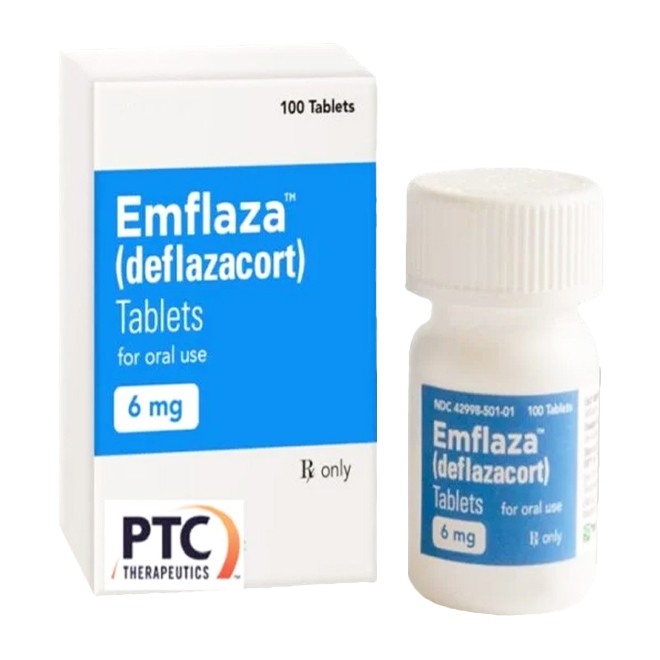


Gemtuzumab (Mylotarg) is a targeted therapy for CD33-positive acute myeloid leukemia (AML), and its use requires strict adherence to standardized clinical operating procedures and monitoring requirements.
What Are the Precautions for Using Gemtuzumab (Mylotarg)?
Pre-Treatment Assessment
A comprehensive medical assessment of the patient must be conducted before initiating gemtuzumab therapy.
Special attention should be paid to liver function status, as the drug is contraindicated in patients with moderate or severe hepatic impairment; such patients have an 8.7-fold significantly increased risk of developing hepatic veno-occlusive disease (VOD).
Screening for active infections is a necessary step, especially tuberculosis screening.
Patients with positive screening results should receive standard anti-tuberculosis treatment before gemtuzumab therapy.
Cardiac function should also be evaluated, particularly in patients with a history of cardiovascular disease, aged ≥65 years, or with a cumulative anthracycline dose ≥300mg/m², who may be at a higher risk of cardiac dysfunction.
Use is prohibited in patients with confirmed hypersensitivity (including anaphylaxis) to gemtuzumab or any of its components.
For pregnant women, gemtuzumab should be avoided due to its potential to cause embryo-fetal toxicity.
Standardized Administration Procedures
Newly diagnosed AML (combination regimen): The recommended dose for adult patients is 3mg/m², administered on Days 1, 4, and 7 respectively.
Newly diagnosed AML (single-agent regimen): 6mg/m² on Day 1 and 3mg/m² on Day 8 of the induction cycle; subsequent doses of 2mg/m² are given for up to 8 cycles.
Relapsed or refractory AML: The recommended dose for adult patients and pediatric patients aged ≥2 years is 3mg/m², administered on Days 1, 4, and 7.
Premedication management must be strictly implemented. Adult patients need to take oral acetaminophen 650mg and diphenhydramine 50mg 1 hour before administration, and receive methylprednisolone 1mg/kg or an equivalent dose of alternative glucocorticoids within 30 minutes prior to infusion.
Monitoring During Gemtuzumab (Mylotarg) Therapy
Liver Function Monitoring
Hepatotoxicity is one of the most serious risks of gemtuzumab treatment and may include liver failure.
ALT, AST, total bilirubin, and alkaline phosphatase should be assessed before each dose.
Regularly monitor for signs and symptoms of VOD after treatment, including elevated ALT, AST, total bilirubin, hepatomegaly (which may be accompanied by pain), rapid weight gain, and ascites.
Monitoring total bilirubin alone may not identify all patients at risk of VOD.
Cardiac Safety Monitoring
QT interval prolongation is a potential cardiac risk of gemtuzumab.
For patients with a history of QTc prolongation or predisposing factors, electrocardiogram and electrolyte monitoring should be performed before and during treatment.

Free Inquiry