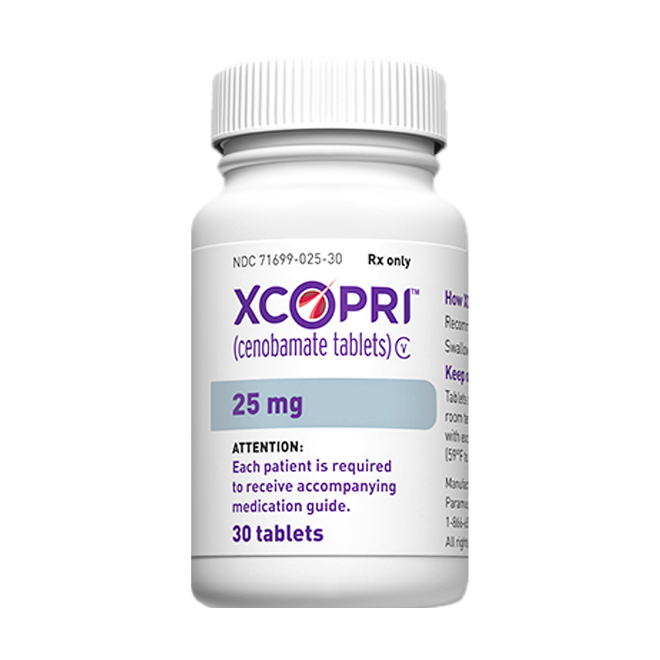
Eplerenone (Inspra) is an aldosterone receptor antagonist. Clinically, it is mainly used to improve the survival rate of adult patients with symptomatic heart failure accompanied by reduced ejection fraction after acute myocardial infarction, as well as to treat adult hypertension.
Dosage and Administration of Eplerenone (Inspra)
Heart Failure (Post-Myocardial Infarction)
For stable adult patients with symptomatic heart failure with reduced ejection fraction (HFrEF, ejection fraction ≤ 40%) following acute myocardial infarction (MI), the initial dose of eplerenone is 25 mg once daily.
Provided that the patient tolerates the drug, the dose should be gradually titrated to the recommended target dose of 50 mg once daily within 4 weeks.
Hypertension Treatment
The recommended starting dose for adult patients with hypertension is 50 mg once daily.
The full antihypertensive effect of the drug at this dose usually becomes evident within 4 weeks.
If blood pressure control is suboptimal, the dose may be increased to 50 mg twice daily (i.e., a total daily dose of 100 mg).
Daily doses exceeding 100 mg do not provide additional antihypertensive benefits but may increase the risk of hyperkalemia; therefore, higher doses are not recommended.
Dose Adjustment of Eplerenone (Inspra)
For Heart Failure Patients
Serum potassium < 5.0 mEq/L: Dose escalation may be considered (e.g., increasing from 25 mg every other day to once daily, or from 25 mg once daily to 50 mg once daily).
Serum potassium 5.0–5.4 mEq/L: Maintain the current dose; no adjustment is required.
Serum potassium 5.5–5.9 mEq/L: The dose should be reduced (e.g., decreasing from 50 mg once daily to 25 mg once daily, or from 25 mg once daily to every other day; in severe cases, discontinue administration temporarily).
Serum potassium ≥ 6.0 mEq/L: Discontinue administration immediately. Once the serum potassium level drops to < 5.5 mEq/L, treatment may be restarted at a dose of 25 mg every other day.
Administration in Special Populations
Patients with Renal Impairment
Contraindications: Eplerenone is contraindicated in all patients with creatinine clearance (CrCl) ≤ 30 mL/min, and in hypertensive patients with CrCl < 50 mL/min.
Increased Risk: Deteriorated renal function increases the risk of hyperkalemia, necessitating enhanced monitoring of serum potassium levels. Elderly patients often have age-related renal decline, requiring extra caution during medication.
Elderly Patients (≥ 65 Years Old)
Heart Failure: In large-scale clinical studies, patients over 75 years old did not show a clear survival benefit, and individualized assessment is required before medication.
Hypertension: Overall, the safety and efficacy are comparable to those in younger patients. However, due to potential renal function decline, the risk of hyperkalemia is higher, requiring intensified monitoring.
Elderly patients should start with a low dose, with slow dose titration.
Pregnant and Lactating Women
Pregnancy: Hypertensive disorders or heart failure during pregnancy may pose risks to both the mother and fetus. The benefits and risks of medication should be carefully weighed, and close monitoring of the patient's condition is essential.
Lactation: It is unknown whether eplerenone is excreted in human milk. Animal studies have shown that the drug can pass into breast milk. It is recommended that lactating women discontinue breastfeeding during treatment.