info@seagull-health.com
SeagullHealth
语言:
search
new
What are the Precautions for Eplerenone (Inspra) Administration?
502
Article source: Seagull Pharmacy
Jan 28, 2026

Eplerenone (Inspra) is a selective aldosterone receptor antagonist, primarily indicated to improve survival in adult patients with heart failure symptoms following acute myocardial infarction, as well as to treat hypertension in adults.

What are the Precautions for Eplerenone (Inspra) Administration?

Strictly Adhere to Contraindications

For all patients: Serum potassium level > 5.5 mEq/L at the initiation of treatment; Creatinine clearance ≤ 30 mL/min; Concomitant use with potent CYP3A inhibitors (e.g., ketoconazole, itraconazole, clarithromycin, ritonavir, etc.).

Additional contraindications for hypertensive patients: Type 2 diabetes mellitus with microalbuminuria; Serum creatinine > 2.0 mg/dL in males or > 1.8 mg/dL in females; Creatinine clearance < 50 mL/min; Concomitant use with potassium supplements or potassium-sparing diuretics (e.g., amiloride, spironolactone, triamterene).

Administration in Special Populations

Elderly patients: Due to age-related decline in renal function, the risk of hyperkalemia is increased, requiring enhanced monitoring.

Pregnancy and lactation: Clinical data in pregnant women are limited; use only if the potential benefit outweighs the potential risk. The drug has been detected in the breast milk of lactating rats, while human data are lacking. Caution is recommended during lactation.

Men and women of childbearing potential: Animal studies have shown potential adverse effects on male fertility, and patients should be informed of the potential risks.

Pediatric patients: Efficacy in the treatment of hypertension has not been demonstrated in children. The safety and efficacy in pediatric patients with heart failure have not been established.

Pay Close Attention to Drug Interactions

CYP3A inhibitors: Concomitant use with potent CYP3A inhibitors is prohibited. When co-administered with moderate CYP3A inhibitors (e.g., verapamil, erythromycin, fluconazole), the daily dose should not exceed 25 mg in heart failure patients, and treatment should be initiated at a daily dose of 25 mg in hypertensive patients.

Concomitant use with ACEIs/ARBs: This combination increases the risk of hyperkalemia; close monitoring of serum potassium levels and renal function is required.

Concomitant use with non-steroidal anti-inflammatory drugs (NSAIDs): NSAIDs may attenuate the antihypertensive effect and induce hyperkalemia in patients with renal insufficiency. Blood pressure and serum potassium levels should be monitored.

Concomitant use with lithium preparations: This combination may increase the risk of lithium toxicity; frequent monitoring of serum lithium concentrations is required.

Monitoring for Eplerenone (Inspra) Administration

Pre-treatment Assessment

Measure serum potassium levels; 2. Evaluate renal function (serum creatinine, calculated creatinine clearance); 3. Confirm that the patient has no relevant contraindications.

Serum Potassium Monitoring

Recheck serum potassium levels within the first week after treatment initiation, one month later, and after each dose adjustment; 2. Conduct regular monitoring thereafter, especially in high-risk populations; 3. Adjust the dose based on serum potassium levels: Serum potassium < 5.0 mEq/L: Consider dose escalation; Serum potassium 5.0–5.4 mEq/L: Maintain the current dose; Serum potassium 5.5–5.9 mEq/L: Reduce the dose; Serum potassium ≥ 6.0 mEq/L: Discontinue administration temporarily; restart treatment at a lower dose after serum potassium levels return to < 5.5 mEq/L.

Renal Function Monitoring

Regularly test serum creatinine, especially when co-administered with drugs that may affect renal function; 2. If a patient starts treatment with moderate CYP3A inhibitors, ACEIs, ARBs or NSAIDs, recheck serum potassium and creatinine levels within 3–7 days.

Assessment of Blood Pressure and Clinical Response

For hypertensive patients, monitor blood pressure changes to evaluate treatment efficacy; 2. For heart failure patients, monitor symptoms, signs and overall clinical status.

Note: For internal discussion among medical personnel only. For specific medication, please consult the attending physician. Drug information may change over time. For the latest information, we recommend adding a medical consultant or consulting for free online.
Recommended Articles
Dosage and Administration of Eplerenone (Inspra)
Eplerenone (Inspra) is an aldosterone receptor antagonist. Clinically, it is mainly used to improve the survival rate of adult patients with symptomatic heart failure accompanied by reduced ejection f...
What are the Indications of Eplerenone (Inspra)?
Eplerenone (Inspra) is an oral aldosterone receptor antagonist. Since its first approval in the United States in 2002, it has played an important role in post-heart failure management and hypertension...
What Are the Purchase Channels for Eplerenone (Inspra)?
Eplerenone (Inspra) is an aldosterone receptor antagonist, mainly indicated for the treatment of patients with cardiac insufficiency following acute myocardial infarction, as well as the management of...
Adverse Reactions of Roflumilast Tablets (Daxas)
Roflumilast Tablets (Daxas) is a selective phosphodiesterase 4 (PDE4) inhibitor. It is indicated for patients with severe chronic obstructive pulmonary disease (COPD) who have a history of chronic bro...
Adverse Reactions of Eplerenone (Inspra)
Eplerenone (Inspra) is a selective aldosterone receptor antagonist, primarily indicated for the treatment of adult patients with heart failure following myocardial infarction, as well as adult hyperte...
What Are the Purchase Channels for Futibatinib?
Futibatinib is a targeted drug indicated for the treatment of cholangiocarcinoma with specific genetic abnormalities. As a prescription medication, it must be used under the guidance of a physician. F...
What are the Indications of Futibatinib?
Futibatinib is an oral kinase inhibitor that was first approved for marketing in the United States in 2022. As a targeted therapy, it is mainly indicated for the treatment of advanced cholangiocarcino...
Dosage and Administration of Futibatinib
Futibatinib is a kinase inhibitor indicated for the treatment of adult patients with previously treated, unresectable, locally advanced or metastatic intrahepatic cholangiocarcinoma who harbor fibrobl...
Related Articles
How to relieve the side effects of Gilteritinib (Xospata)?
Side effect management of Lazertinib requires targeted measures based on specific reaction types, with key focus on the prevention and control of venous thromboembolism, skin reactions, and ocular tox...
What are the side effects of Gilteritinib (Xospata)?
Gilteritinib (Xospata) is a FLT3 inhibitor. Its adverse reactions mainly involve the hematological system, cardiovascular system, digestive system, etc. Different management measures should be taken a...
Where to Buy Venetoclax Tablets
Venetoclax is a targeted medication used for the treatment of chronic lymphocytic leukemia/small lymphocytic lymphoma (CLL/SLL) and acute myeloid leukemia (AML). As a prescription drug, its purchase a...
Indications of Venetoclax Tablets
Venetoclax is an innovative BCL‑2 inhibitor that plays an important role in the treatment of hematologic malignancies.Indications of Venetoclax TabletsMain Indications(1) Chronic Lymphocytic Leukemia ...
Side Effects of Mavacamten (Camzyos)
Mavacamten (Camzyos) is a cardiac myosin inhibitor indicated for the treatment of adults with symptomatic obstructive hypertrophic cardiomyopathy (HCM), New York Heart Association (NYHA) functional cl...
What are the precautions for mavacamten (Camzyos)?
Mavacamten (Camzyos) is a novel cardiac myosin inhibitor indicated for the treatment of adults with symptomatic obstructive hypertrophic cardiomyopathy (HCM) of New York Heart Association (NYHA) funct...
Mechanism of Action of Valsartan Tablets (Diovan)
Valsartan Tablets (Diovan) is a widely used angiotensin II receptor antagonist (ARB) in clinical practice, indicated mainly for the treatment of hypertension, heart failure, and reduction of cardiovas...
Important Dosage and Administration Information
As an angiotensin II receptor antagonist, valsartan is widely used in the treatment of hypertension, heart failure, and post-myocardial infarction. Appropriate selection of dosage form, dose adjustmen...
New Drugs
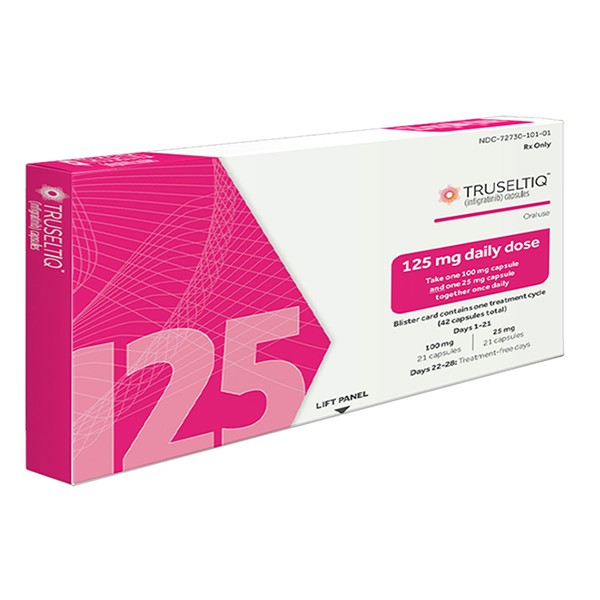
Infigratinib(Truseltiq)
Treatment of previously treated, unresectable locally advanced or metastatic...
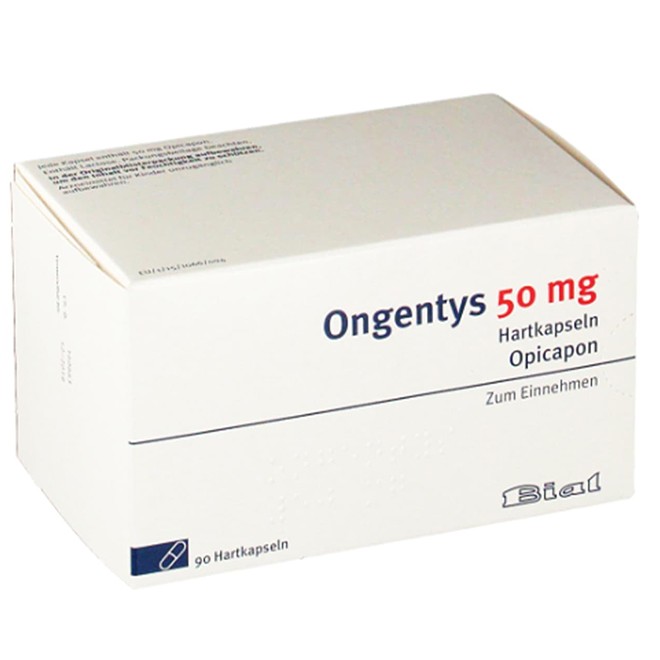
Opicapone(Ongentys)
Opicapone(Ongentys)
Adjunctive treatment to levodopa/carbidopa for reducing "off" episodes in...
Deflazacort(Emflaza)
Treatment of Duchenne muscular dystrophy (DMD) in patients aged 2 years and...
Faricimab-svoa(Vabysmo)
Treatment of neovascular age-related macular degeneration, diabetic macular...
Counselling Service
Global Drug Search
Clinical Research Recruitment
Overseas Medical Treatment
Remote Consultations
Note: Our medical consultant will contact you as soon as possible. We promise to strictly protect your privacy.
Submit
Business
  • Core products
  • Antitumor drugs
  • General drug
  • Antiviral drugs
  • Biological agents
Contact Us 
  • haiousales@gmail.com
Welcome to consult
Seagull Pharmacy.,Ltd All rights reserved