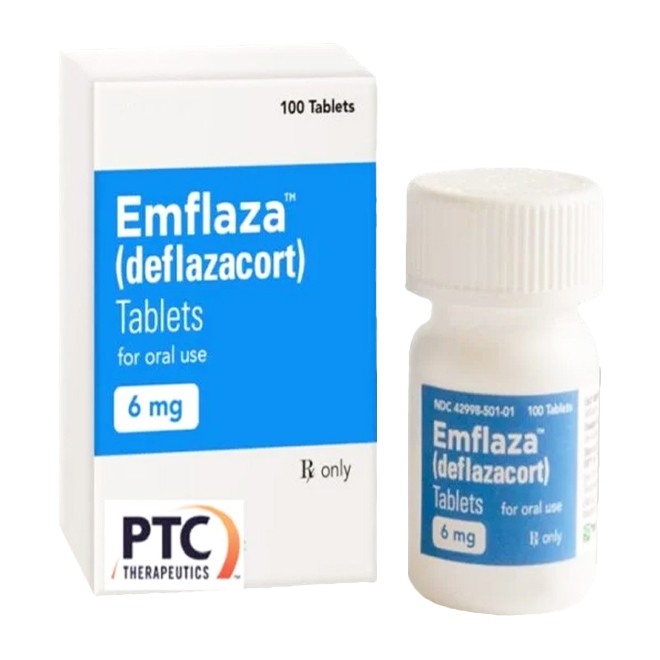


Decitabine and cedazuridine combination tablets are an oral compound anticancer drug. Clarifying their indications, contraindications, and special population precautions is a prerequisite for ensuring safe and effective treatment.
I. Indications
1. Myelodysplastic Syndromes or Chronic Myelomonocytic Leukemia
(1)Decitabine and cedazuridine combination tablets are indicated for the treatment of adult patients with myelodysplastic syndromes, including those who have received prior treatment and those who are treatment-naive, as well as primary and secondary MDS.
(2) Specifically, they cover the French-American-British subtypes of refractory anemia, refractory anemia with ringed sideroblasts, refractory anemia with excess blasts, and chronic myelomonocytic leukemia.
(3) They are also indicated for patients in the International Prognostic Scoring System risk groups of Intermediate-1, Intermediate-2, and High.
2. Acute Myeloid Leukemia
Decitabine and cedazuridine combination tablets are indicated in combination with venetoclax for the treatment of newly diagnosed acute myeloid leukemia in adult patients who are 75 years or older, or who have comorbidities that preclude the use of intensive induction chemotherapy.
II. Contraindications and Food Restrictions
1. Absolute Contraindications
The prescribing information for decitabine and cedazuridine combination tablets clearly states: there are no absolute contraindications. However, this does not mean there is no risk of use; it must be used under strict medical evaluation.
2. Drug Interaction Contraindications
(1) Avoid concomitant use with drugs metabolized by cytidine deaminase.
(2) Cedazuridine inhibits the activity of this enzyme, and co-administration may lead to accumulation of these drugs in the body, increasing the risk of toxicity.
(3) Before taking the medication, inform your doctor of all prescription drugs, over-the-counter drugs, and herbal products you are using.
3. Food Restrictions
(1) Decitabine and cedazuridine combination tablets must be taken on an empty stomach, i.e., at least 2 hours before or at least 2 hours after a meal.
(2) High-fat meals significantly reduce the absorption of decitabine, so eating, especially high-fat foods, should be avoided before and after taking the medication.
III. Special Populations
1. Pregnant Women
(1) Decitabine and cedazuridine combination tablets can cause fetal harm.
(2) They are contraindicated during pregnancy.
(3) Women of childbearing potential should have pregnancy status confirmed before using the medication.
2. Breastfeeding Women
Due to the potential for serious adverse reactions, breastfeeding is not recommended during treatment and for 2 weeks after the last dose.
3. Contraception Requirements for People of Childbearing Potential
(1) Women of childbearing potential must use effective contraception during treatment and for 6 months after the last dose.
(2) Male patients with partners of childbearing potential must use effective contraception during treatment and for 3 months after the last dose.
4. Male Fertility
(1) Animal studies indicate that decitabine and cedazuridine combination tablets may impair male fertility, manifested by decreased testicular weight and reduced sperm count.
(2) Whether this effect is reversible is unknown.
5. Children
The safety and efficacy of decitabine and cedazuridine combination tablets in pediatric patients have not been established.
6. Elderly Patients
(1) Among MDS/CMML patients, 75% are 65 years or older, and 36% are 75 years or older. No overall differences in safety or efficacy were observed.
(2) In the AML combination therapy, 70% were 75 years or older, and no overall differences were observed compared to patients younger than 75 years.
7. Renal Impairment
(1) No dose adjustment is required for mild to moderate renal impairment (creatinine clearance 30-89 mL/min).
(2) Patients with moderate renal impairment should be closely monitored for adverse reactions.
(3) There are no study data for patients with severe renal impairment (CLcr 15-29 mL/min) or end-stage renal disease (CLcr <15 mL/min).
8. Hepatic Impairment
(1) Mild to moderate hepatic impairment has no clinically significant effect on drug metabolism.
(2) The effect of moderate to severe hepatic impairment is unknown.