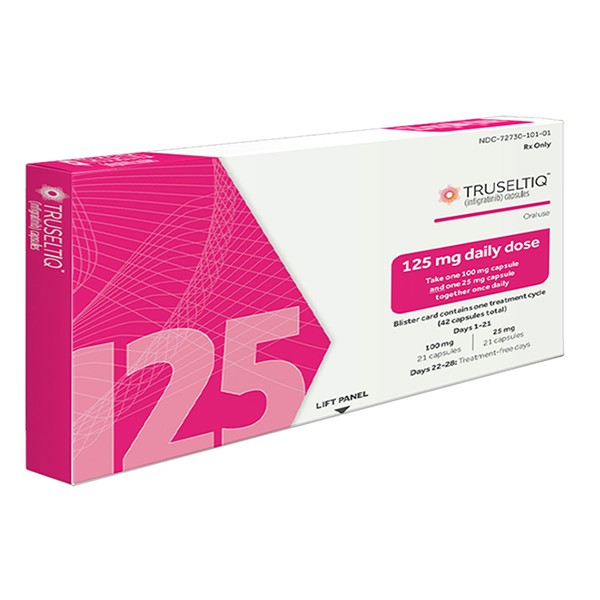


Tivozanib (Fotivda) is a targeted therapy drug for recurrent or refractory advanced renal cell carcinoma, offering new hope to patients who have undergone multiple lines of systemic treatment. However, this drug is also associated with a series of side effect risks that require close monitoring.
What Are the Side Effects of Tivozanib (Fotivda)?
Common Adverse Reactions
Fatigue (67%)。
Hypertension (44%)。
Diarrhea (43%)。
Decreased appetite (39%)。
Nausea (30%)。
Dysphonia (27%)。
Warnings for Severe Side Effects of Tivozanib (Fotivda)
Hypertension and Hypertensive Crisis
The incidence of hypertension in patients treated with tivozanib is 45%, of which 22% are severe hypertension (grade 3 or higher).
The incidence of hypertensive crisis is 0.8%, and there have been cases of death due to hypertensive emergencies caused by drug overdose.
Management Measures: Control blood pressure before treatment.
Monitor blood pressure regularly 2 weeks after the start of treatment and monthly thereafter.
Administer antihypertensive treatment when hypertension occurs.
For severe hypertension, suspend medication and resume treatment at a reduced dose only after blood pressure is controlled to grade 2 or lower.
Permanent discontinuation of medication is required if a hypertensive crisis occurs.
Cardiovascular System Risks
Heart Failure: (Incidence 1.6%, of which 1% are grade 3 or higher events and 0.6% are fatal).
Management Measures: Regularly monitor for symptoms of heart failure.
Depending on the severity, take measures such as suspending medication, reducing the dose, or permanently discontinuing the drug.
Cardiac Ischemia and Arterial Thromboembolic Events
The incidence of cardiac ischemia is 3.2%, of which 1.5% are grade 3 or higher events and 0.4% are fatal.
Bleeding events (incidence 11%, of which 0.2% are fatal).
Management Measures: Closely monitor patients with bleeding risks or a history of bleeding.
Permanent discontinuation of medication is required if severe or life-threatening bleeding events occur.
Proteinuria
Incidence 8%, of which 2% are grade 3 events. Among patients with proteinuria, 3.7% develop acute kidney injury.
Management Measures: Regularly monitor proteinuria before and during treatment.
For moderate to severe proteinuria, reduce the dose or suspend treatment.
Permanent discontinuation of medication is required if nephrotic syndrome occurs.
Precautions for Tivozanib (Fotivda) Administration
Monitoring After First Dose Administration
After the first dose of tivozanib, closely monitor changes in blood pressure and heart rate, especially within the first 6 hours.
Medication Administration in Special Populations
Pregnant women and women of childbearing age must use effective contraceptive measures.
Lactating women are not advised to breastfeed during treatment and within 1 month after discontinuing the medication.
Patients with moderate hepatic impairment need dose adjustment.
Medication Management Before and After Surgery
Discontinue medication for at least 24 days before elective surgery.
Resume medication at least 2 weeks after major surgery and only when the wound has fully healed.