info@seagull-health.com
SeagullHealth
语言:
search
new
What are the Precautions for Taking Epalrestat?
504
Article source: Seagull Pharmacy
Nov 17, 2025

Epalrestat is an aldose reductase inhibitor. Since its approval in Japan in 1992, it has been widely used as an adjuvant treatment for diabetic peripheral neuropathy.

What are the Precautions for Taking Epalrestat?

Medication Administration and Dosage Form Specifications

Epalrestat is available as white film-coated tablets, which must be swallowed whole.

If the medication comes in PTP aluminum foil packaging, patients must be instructed to remove the tablets from the foil before taking them.

Accidental ingestion of the aluminum foil may cause damage to the esophageal mucosa or even esophageal perforation, which must be strongly emphasized when dispensing the medication.

Dosage and Target Population

Standard dosage for adults: 50mg each time, three times a day, to be taken orally before each meal. The dosage may be appropriately adjusted based on the patient's age and symptoms.

Contraindications and cautious use: It is not suitable for diabetic patients who have developed irreversible organic lesions. If no significant therapeutic effect is observed after 12 consecutive weeks of medication, the treatment plan should be changed immediately.

Management of special populations: Pregnant women should use this medication only when the therapeutic benefits outweigh the potential risks. Lactating women need to weigh the necessity of medication, as animal studies have shown that the drug can be excreted in breast milk.

Prevention of Adverse Reactions

Common side effects include abdominal pain, nausea, skin rashes, or abnormal liver function indicators.

During the medication period, close attention should be paid to severe side effects, such as thrombocytopenia (frequency unknown) and severe hepatitis, liver failure (frequency < 0.1%).

If symptoms such as skin rashes, itching, or jaundice occur, the medication should be discontinued immediately and medical attention sought promptly.

Medication Monitoring for Epalrestat

Efficacy and Tolerability Assessment

Monitoring of symptom improvement: Record changes in neuropathic symptoms such as limb pain and numbness after medication. If no improvement is seen within 12 weeks, the treatment plan needs to be re-evaluated.

Central nervous system and digestive system reactions: Pay attention to symptoms such as dizziness, fatigue, abdominal pain, and nausea. Especially for elderly patients, regular assessments of cognitive function and gastrointestinal function are required.

Tracking of Safety Indicators

Liver function and hematological monitoring: Regularly test levels of AST, ALT, γ-GTP, and bilirubin, and monitor for the occurrence of anemia or leukopenia.

Renal function and metabolic indicators: A small number of patients may experience an increase in BUN and creatinine levels or a decrease in urine output. The medication dosage should be adjusted based on clinical symptoms.

Dynamic Management of Special Populations

Patients with hepatic or renal impairment: Although specific guidelines are not clearly stated in the package insert, based on the drug's metabolic characteristics (mainly excreted in urine), the risk of drug accumulation must be guarded against.

Patients on long-term medication: Note that urine may turn yellowish-brown or red. This phenomenon may interfere with the test results of urinary bilirubin and ketone bodies, so the laboratory department should be informed in advance.


Note: For internal discussion among medical personnel only. For specific medication, please consult the attending physician. Drug information may change over time. For the latest information, we recommend adding a medical consultant or consulting for free online.
Recommended Articles
Dosage and Administration of Epalrestat: Recommended Dosage
Epalrestat is a selective aldose reductase inhibitor. Since its approval in Japan in 1992, it has become an important therapeutic agent for diabetic peripheral neuropathy.Dosage and Administration of ...
What Are the Indications of Epalrestat?
Epalrestat is an aldose reductase inhibitor that holds an important position in the treatment of diabetic complications. Since its first approval in Japan in 1992, it has become one of the key medicat...
Procurement Channels for Epalrestat
Epalrestat is an aldose reductase inhibitor that was first approved in Japan in 1992. It is mainly used for the treatment of diabetic peripheral neuropathy. Its mechanism of action involves inhibiting...
What Are the Precautions for Taking Dimemorfan Phosphate Tablets (Astomin)?
Dimemorfan Phosphate Tablets (Astomin) are a type of non-narcotic central antitussive. Since its first approval in Japan in 1975, it has been widely used to relieve cough symptoms in adults due to its...
What Are the Side Effects of Epalrestat?
Epalrestat is a selective aldose reductase inhibitor. Since its approval in Japan in 1992, it has been mainly used for the treatment of diabetic peripheral neuropathy. Similar to other medications, Ep...
Purchase Channels for Qutenza (Capsaicin Patch)
Qutenza (Capsaicin Patch) is a topical patch containing 8% capsaicin, classified as a TRPV1 channel agonist. In July 2020, this medication was approved by the U.S. FDA for the treatment of foot neural...
What Are the Indications for Qutenza (Capsaicin Patch)?
Qutenza (Capsaicin Patch) is a therapeutic medication approved by the U.S. Food and Drug Administration (FDA), providing an innovative treatment option for patients with specific types of neuropathic ...
Dosage and Administration of Qutenza (Capsaicin Patch)
Qutenza (Capsaicin Patch) is an FDA-approved topical medication for the treatment of postherpetic neuralgia (PHN) and neuropathic pain associated with diabetic peripheral neuropathy (DPN). Its unique ...
Related Articles
Dosage and Administration, Recommended Dosage of Capmatinib (Tabrecta)
Capmatinib (Tabrecta) is a highly selective MET inhibitor, offering a precision treatment option for patients with metastatic non-small cell lung cancer (NSCLC) harboring MET exon 14 skipping mutation...
What Are the Indications for Capmatinib (Tabrecta)?
Capmatinib (Tabrecta) is a targeted therapy medication that plays an important role in the treatment of non-small cell lung cancer associated with specific gene mutations. As a MET kinase inhibitor, i...
What Are the Purchase Channels for Capmatinib (Tabrecta)?
Capmatinib (Tabrecta) is a highly selective MET inhibitor that has demonstrated significant efficacy in patients with metastatic non-small cell lung cancer (NSCLC) harboring MET exon 14 skipping mutat...
Adverse Reactions of Ivosidenib (Tibsovo)
Ivosidenib (Tibsovo) is an isocitrate dehydrogenase 1 (IDH1) inhibitor, primarily indicated for the treatment of patients with acute myeloid leukemia, myelodysplastic syndromes, and cholangiocarcinoma...
What Are the Precautions for Using Ivosidenib (Tibsovo)?
Ivosidenib (Tibsovo) is a targeted therapy medication primarily indicated for the treatment of patients with malignant hematologic diseases harboring specific gene mutations.What Are the Precautions f...
Dosage and Administration, Recommended Dosage of Ivosidenib (Tibsovo)
Ivosidenib (Tibsovo) is a targeted isocitrate dehydrogenase 1 (IDH1) inhibitor that demonstrates significant value in the treatment of malignant tumors with specific gene mutations.Dosage and Administ...
What Are the Indications for Ivosidenib (Tibsovo)?
Ivosidenib (Tibsovo) is an oral isocitrate dehydrogenase-1 (IDH1) inhibitor indicated for patients with various malignant tumors harboring specific IDH1 gene mutations. By inhibiting the activity of m...
What Are the Purchase Channels for Ivosidenib (Tibsovo)?
Ivosidenib (Tibsovo) is an important targeted therapy drug against IDH1 mutations, demonstrating significant efficacy in diseases such as acute myeloid leukemia and cholangiocarcinoma. For patients in...
New Drugs
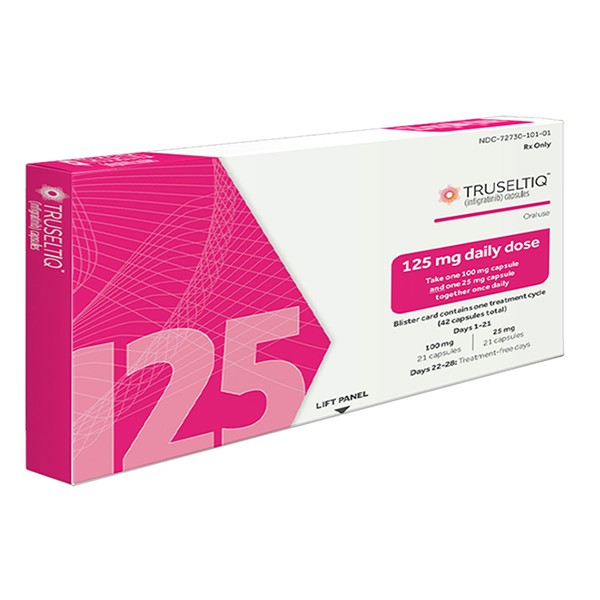
Infigratinib(Truseltiq)
Treatment of previously treated, unresectable locally advanced or metastatic...
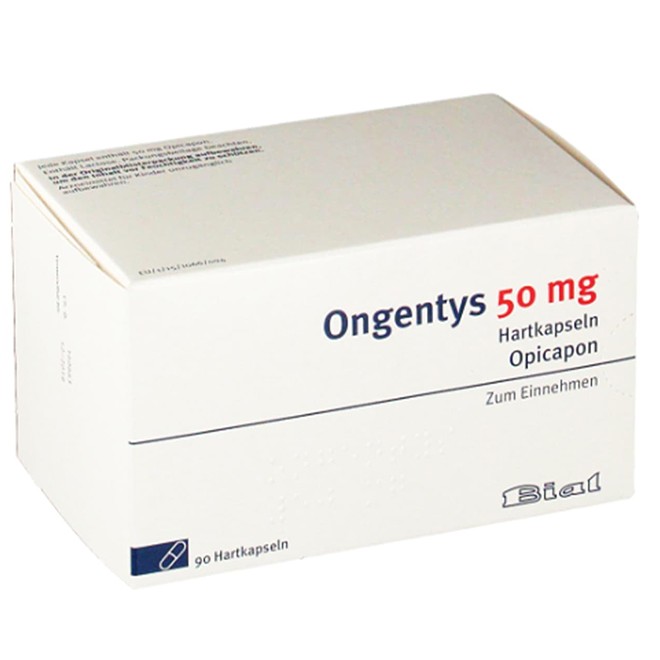
Opicapone(Ongentys)
Opicapone(Ongentys)
Adjunctive treatment to levodopa/carbidopa for reducing "off" episodes in...
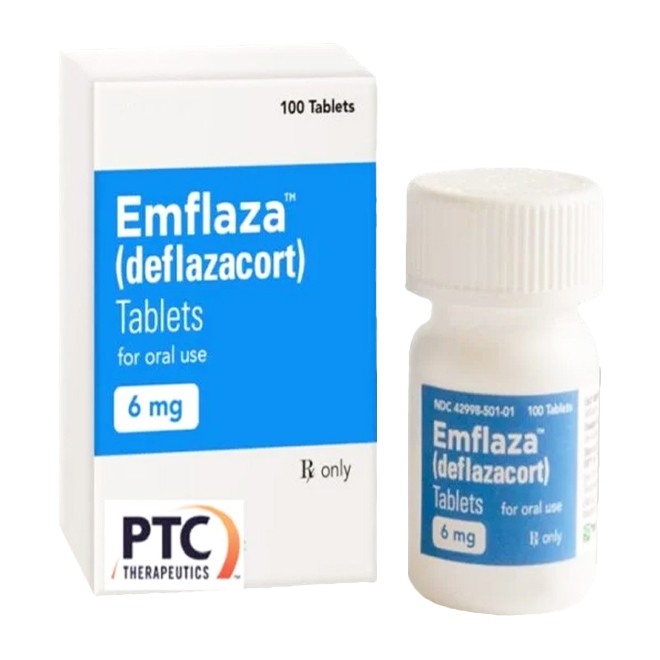
Deflazacort(Emflaza)
Treatment of Duchenne muscular dystrophy (DMD) in patients aged 2 years and...
Faricimab-svoa(Vabysmo)
Treatment of neovascular age-related macular degeneration, diabetic macular...
Counselling Service
Global Drug Search
Clinical Research Recruitment
Overseas Medical Treatment
Remote Consultations
Note: Our medical consultant will contact you as soon as possible. We promise to strictly protect your privacy.
Submit
Business
  • Core products
  • Antitumor drugs
  • General drug
  • Antiviral drugs
  • Biological agents
Contact Us 
  • mailbox:info@lucius.la
Welcome to consult
ucius Pharmaceuticals (Lao) Co.,Ltd All rights reserved