info@seagull-health.com
SeagullHealth
语言:
search
new
Indications of Meloxicam
505
Article source: Seagull Pharmacy
Mar 23, 2026

Meloxicam is a non-steroidal anti-inflammatory drug (NSAID) that exerts anti-inflammatory and analgesic effects by inhibiting prostaglandin synthesis.

1. Indications of Meloxicam

Meloxicam is mainly used to relieve pain and inflammation associated with arthritis, for use in adults and children of specified body weight.

1.1 Osteoarthritis

(1) Relieves pain, impaired joint function, and joint stiffness caused by osteoarthritis.

(2) Clinical studies have confirmed that a daily dose of 7.5 mg or 15 mg can effectively improve patients’ conditions.

1.2 Rheumatoid Arthritis

(1) Effectively reduces joint inflammation, pain, and swelling, and improves joint function.

(2) The recommended starting dose is 7.5 mg daily, which may be increased to 15 mg daily according to efficacy.

1.3 Juvenile Rheumatoid Arthritis

(1) Indicated for pediatric patients weighing ≥ 60 kg to relieve symptoms of oligoarticular or polyarticular juvenile rheumatoid arthritis.

(2) The recommended dose is 7.5 mg daily; no additional benefit is gained from increasing the dose.

(3) Contraindicated in children weighing less than 60 kg.

2. Contraindications of Meloxicam

Contraindications must be excluded before use to avoid serious adverse reactions.

2.1 Hypersensitivity

(1) Contraindicated in patients hypersensitive to any ingredient of meloxicam.

(2) Contraindicated in patients with a history of allergic reactions such as asthma or urticaria following administration of aspirin or other NSAIDs.

2.2 Perioperative Period of Cardiovascular Surgery

(1) Absolutely contraindicated in the perioperative period of coronary artery bypass grafting (CABG).

(2) Use of NSAIDs within 10–14 days postoperatively increases the risk of myocardial infarction and stroke.

2.3 Aspirin-Sensitive Asthma

Use of meloxicam in such patients may induce severe, even fatal, bronchospasm; therefore, it is contraindicated.

2.4 History of Severe Skin Reactions

Contraindicated in patients with a history of exfoliative dermatitis, Stevens-Johnson syndrome, or toxic epidermal necrolysis following use of NSAIDs.

2.5 Contraindicated Foods and Drugs

(1) Alcohol consumption: Alcohol should be avoided during treatment, as it increases the risk of gastrointestinal bleeding.

(2) Other NSAIDs: Concomitant use of other NSAIDs or salicylates is prohibited to avoid increased gastrointestinal toxicity.

3. Use in Special Populations

3.1 Pregnancy

(1) Before 20 weeks of gestation: Data are limited; benefit-risk assessment is required.

(2) 20–30 weeks of gestation: If needed, use the lowest dose for the shortest duration. If treatment exceeds 48 hours, ultrasound monitoring of amniotic fluid volume is recommended; discontinue immediately if oligohydramnios occurs.

(3) After 30 weeks of gestation: Contraindicated. Use at this stage may cause premature closure of the fetal ductus arteriosus and renal dysfunction.

3.2 Lactation

There are no data on excretion in human milk. Use should balance the benefits of breastfeeding for the infant and the therapeutic need of the mother.

3.3 Women of Childbearing Potential

(1) Meloxicam may reversibly delay ovulation and cause infertility.

(2) Discontinuation should be considered in women with difficulty conceiving or undergoing infertility evaluation.

3.4 Pediatric Use

(1) Safety has been evaluated in patients aged 2–17 years with juvenile rheumatoid arthritis; no data are available for children under 2 years of age.

(2) The incidence of common adverse reactions in children (abdominal pain, vomiting, diarrhea, headache, fever) is higher than in adults.

3.5 Geriatric Use

(1) The risk of serious cardiovascular, gastrointestinal, and renal adverse reactions is higher than in younger adults.

(2) If used, start at a low dose with close monitoring.

3.6 Hepatic Impairment

(1) Mild to moderate impairment (Child-Pugh Class A/B): No dose adjustment needed.

(2) Severe impairment (Child-Pugh Class C): Data are insufficient; use with caution.

3.7 Renal Impairment

(1) Mild to moderate impairment: No dose adjustment needed.

(2) Severe impairment: Not recommended.

(3) Hemodialysis patients: Daily dose should not exceed 7.5 mg. Meloxicam is not removed by dialysis.

Note: For internal discussion among medical personnel only. For specific medication, please consult the attending physician. Drug information may change over time. For the latest information, we recommend adding a medical consultant or consulting for free online.
Recommended Articles
Entrectinib (Rozlytrek) Medication Guide: Indications, Contraindications, and Special Populations
Entrectinib (Rozlytrek) is a targeted kinase inhibitor indicated for the treatment of ROS1‑positive non‑small cell lung cancer and NTRK gene fusion‑positive solid tumors.1. Overview of Entrectinib (Ro...
Entrectinib (Rozlytrek) Side Effect Management and Storage Guidelines
Entrectinib (Rozlytrek) is a targeted kinase inhibitor with significant efficacy in the treatment of ROS1‑positive non‑small cell lung cancer and NTRK fusion‑positive solid tumors, but it may also cau...
Entrectinib (Rozlytrek) Medication Guide: Dosage, Precautions, and Healthy Living
Entrectinib (Rozlytrek) is a targeted kinase inhibitor indicated for the treatment of ROS1‑positive non‑small cell lung cancer (NSCLC) and NTRK gene fusion‑positive solid tumors.I. Dosage and Administ...
Dosage and Administration of Atovaquone (Mepron)
Atovaquone (Mepron) is a fibrate-class lipid-lowering medicationNational Center for Biotechnology Information. Proper use and a healthy lifestyle are critical to maximizing therapeutic efficacy and mi...
Side Effects of Meloxicam
As a non‑steroidal anti‑inflammatory drug (NSAID), meloxicam may cause a variety of adverse reactions while effectively relieving the symptoms of arthritis.I. Side Effects of Meloxicam1. Common Side E...
Common Side Effects of Sivatanib and Relief Measures
Sivatanib (Hyrnuo) is a targeted therapy for non-small cell lung cancer with specific genetic mutations. It can effectively inhibit tumor growth, but it may also cause a range of side effects during t...
Indications of Sivatanib
Sivatanib (Hyrnuo) is a novel targeted therapy drug for locally advanced or metastatic non-small cell lung cancer with specific genetic mutations.I. Indications of SivatanibSivatanib is indicated for ...
Comprehensive Analysis of Glutathione Tablets (Tathion): Mechanism of Action and Management of Medication Abnormalities
Glutathione Tablets (Tathion) are an important endogenous detoxification drug. Mastering the correct handling methods for missed and overdosed doses is of great significance for ensuring medication sa...
Related Articles
Dosage and Administration, Precautions, and Healthy Lifestyle for Cenobamate
Cenobamate is a novel once-daily oral antiepileptic drug. Correct dosage and administration, strict adherence to precautions, and a healthy lifestyle are critical to ensuring its efficacy and safety.I...
Side Effects of Cenobamate and Management Strategies
Cenobamate is an effective novel antiepileptic drug, but it is associated with a range of side effects.I. Side Effects of Cenobamate1. Most Common Side Effects (Incidence ≥10% and higher than placebo)...
Safinamide (Xadago): Domestic Launch and Purchase Guide in China
As an adjunctive treatment for Parkinson’s disease, the accessibility of safinamide in China is a major concern for patients.I. Domestic Launch Status1. Not Yet Launched in Chinese Mainland(1) As of A...
Analysis of the Therapeutic Value and Accessibility of Safinamide (Xadago)
As an adjunctive treatment for "off" episodes in Parkinson’s disease, safinamide’s clinical efficacy, medical insurance coverage, and pricing are common concerns for patients and their famil...
Dosage and Administration, Precautions, and Healthy Living Guidelines for Anagrelide (Agrylin)
Anagrelide is a prescription platelet-lowering medication that must be used precisely under the guidance of a physician.I. Dosage and Administration1. Adult Starting Dose(1) The recommended starting d...
Anagrelide (Agrylin): Side Effects, Management Strategies and Storage Guidelines
Anagrelide is a platelet-lowering agent with well-established efficacy, yet it is associated with a variety of adverse reactions.I. Common Side Effects1. Adverse Reactions with an Incidence Rate ≥ 5%T...
Drug Overview and Administration Guidance for Topiroxostat
Topiroxostat is a non-purine selective xanthine oxidase inhibitor indicated for the treatment of gout and hyperuricemia.I. Pharmaceutical Properties and Mechanism of Action1. Active Ingredient and Dos...
Key Clinical Application Guidelines for Topiroxostat
Topiroxostat is a non-purine selective xanthine oxidase inhibitor that exerts a uric acid-lowering effect by inhibiting uric acid production.I. Indications and Target Population1. Approved Indications...
New Drugs
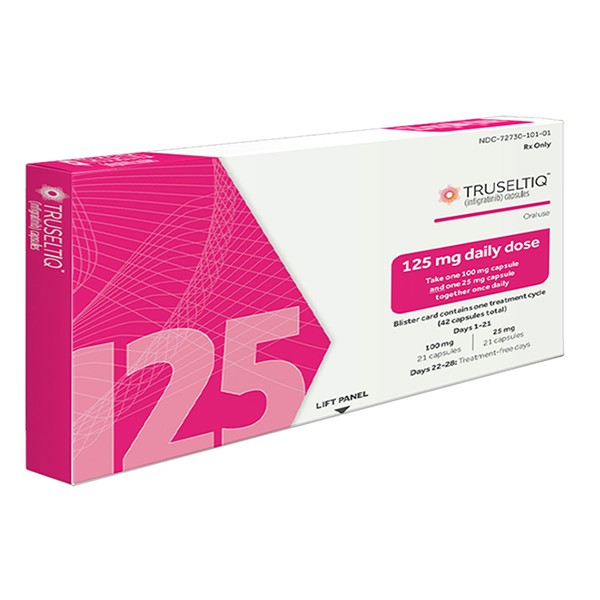
Infigratinib(Truseltiq)
Treatment of previously treated, unresectable locally advanced or metastatic...
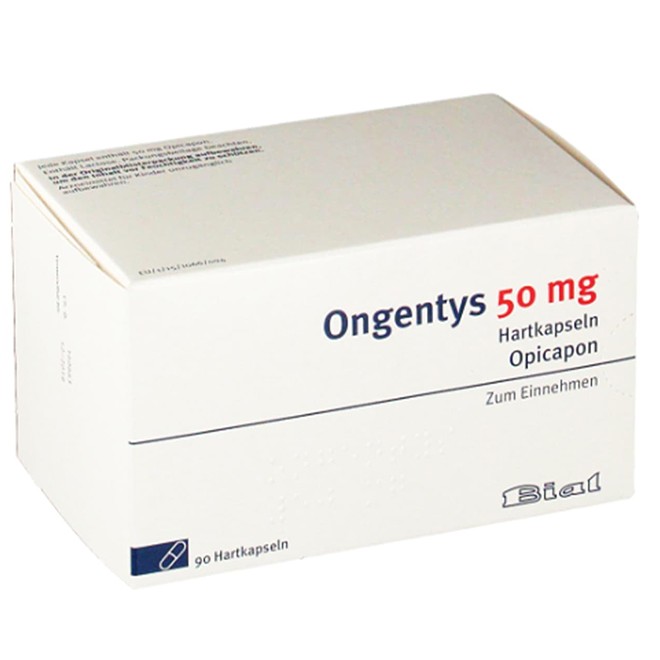
Opicapone(Ongentys)
Opicapone(Ongentys)
Adjunctive treatment to levodopa/carbidopa for reducing "off" episodes in...
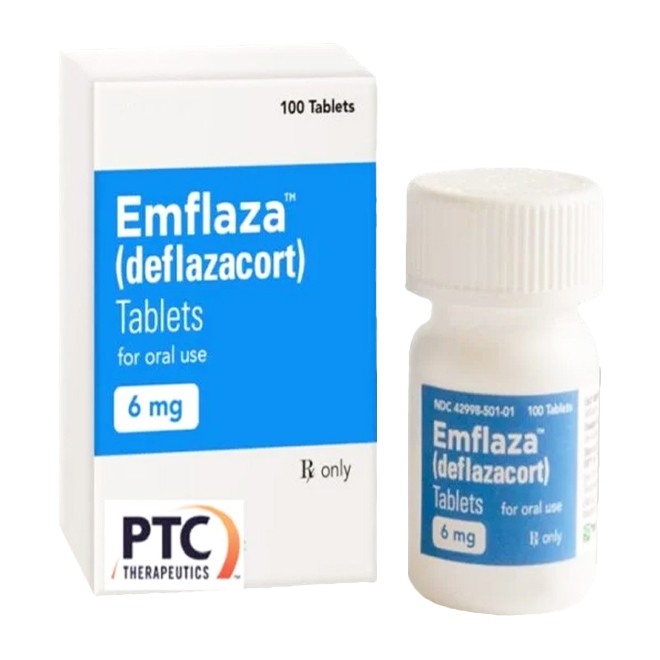
Deflazacort(Emflaza)
Treatment of Duchenne muscular dystrophy (DMD) in patients aged 2 years and...
Faricimab-svoa(Vabysmo)
Treatment of neovascular age-related macular degeneration, diabetic macular...
Counselling Service
Global Drug Search
Clinical Research Recruitment
Overseas Medical Treatment
Remote Consultations
Note: Our medical consultant will contact you as soon as possible. We promise to strictly protect your privacy.
Submit
Business
  • Core products
  • Antitumor drugs
  • General drug
  • Antiviral drugs
  • Biological agents
Contact Us 
  • haiousales@gmail.com
Welcome to consult
Seagull Pharmacy.,Ltd All rights reserved