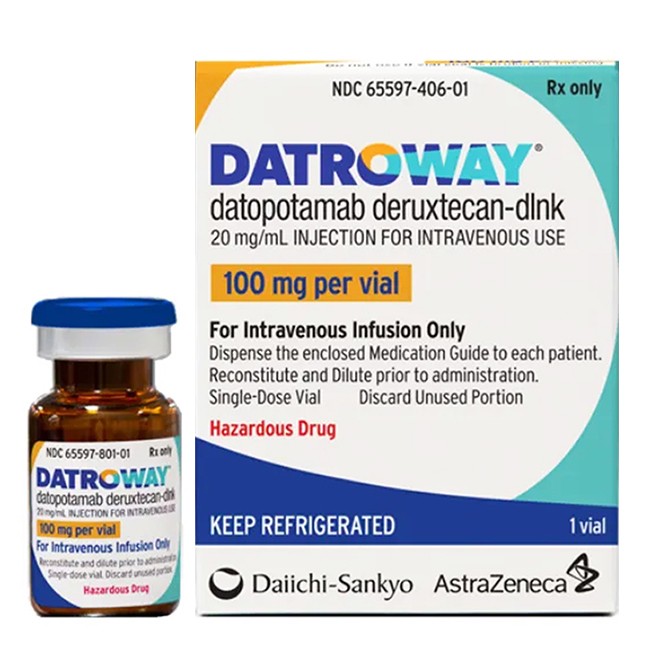


Sivatanib (Hyrnuo) is a targeted therapy for non-small cell lung cancer with specific genetic mutations. It can effectively inhibit tumor growth, but it may also cause a range of side effects during treatment.
I. Common Side Effects of Sivatanib and Relief Measures
1. Diarrhea
(1) Diarrhea is the most common and potentially severe side effect of sivatanib, mostly occurring in the early stage of treatment.
(2) Once patients experience diarrhea or an increased frequency of defecation, they should immediately start taking antidiarrheal medications (such as loperamide) and increase their intake of water and electrolytes.
(3) If the symptoms are severe or persistent, patients need to contact their doctor to adjust the medication dosage or suspend treatment.
2. Abnormal Liver Function
(1) Sivatanib may cause elevated transaminases or bilirubin.
(2) Liver function should be monitored regularly during treatment. If symptoms such as fatigue, jaundice, dark urine, or upper abdominal pain occur, patients should seek medical attention promptly.
(3) Doctors may suspend medication, reduce the dosage, or change the treatment plan based on the test results.
3. Interstitial Lung Disease/Pneumonitis
(1) A small number of patients may experience pulmonary symptoms such as cough, fever, and difficulty breathing.
(2) Once this occurs, the medication should be stopped immediately and a medical evaluation should be conducted.
(3) Patients diagnosed with drug-related pneumonitis need to permanently discontinue sivatanib.
4. Ocular Toxicity
(1) Some patients may experience symptoms such as blurred vision, eye pain, and dry eyes, which may lead to temporary vision loss in severe cases.
(2) Any new or worsening ocular discomfort should be promptly referred to an ophthalmologist, and the medication should be adjusted according to the severity.
5. Elevated Pancreatic Enzymes
(1) Amylase and lipase levels should be tested regularly during treatment.
(2) If pancreatic-related symptoms such as upper abdominal pain, nausea, or weight loss occur, patients should contact their doctor for evaluation, and the dosage may be adjusted or the medication discontinued if necessary.
6. Other Common Reactions
(1) These include rash, paronychia, stomatitis, nausea, etc. Most symptoms can be relieved through local care, symptomatic medications, or dosage adjustments.
(2) Severe or persistent symptoms should be reported to the medical team in a timely manner.
II. Proper Storage of Sivatanib
Sivatanib should be stored at room temperature, with an appropriate temperature range of 20°C–25°C (68°F–77°F). Short-term storage within 15°C–30°C (59°F–86°F) is permitted.
Tablets should be kept in the original child-resistant bottle, away from direct sunlight, moisture, and high-temperature environments.
Do not place the medication in the bathroom or car, and always keep it out of the reach of children.
III. Precautions During Medication
Take the medication with meals, swallow the tablet whole, and do not break, crush, or chew it.
If a dose is missed, take it as soon as possible before the next dose, and do not take a double dose at one time.
If vomiting occurs after taking the medication, there is no need to take an additional dose; take the next dose as scheduled.
In addition, avoid consuming grapefruit or drinking grapefruit juice at the same time, as this may affect drug metabolism.