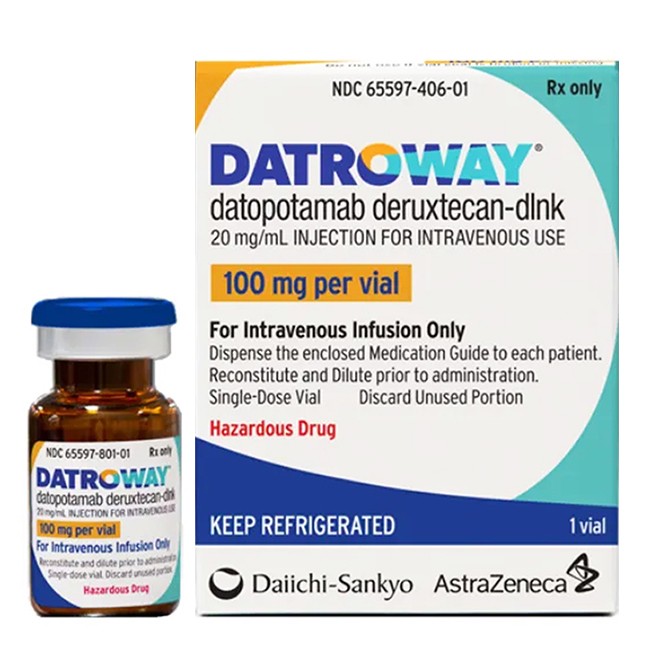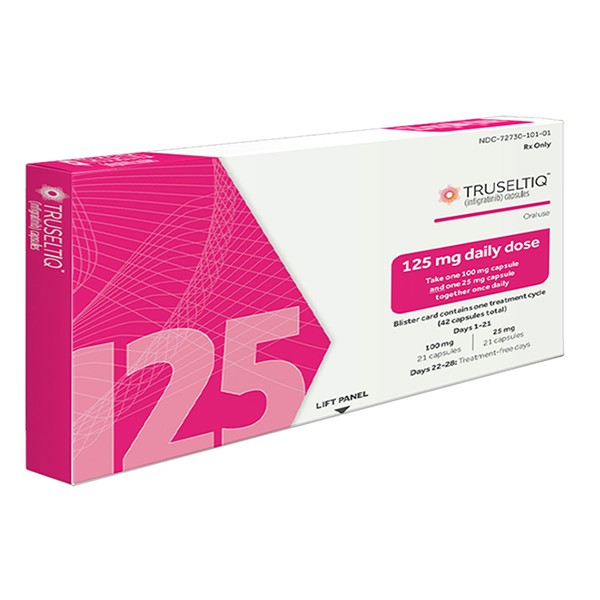


Sivatanib (Hyrnuo) is a novel targeted therapy drug for locally advanced or metastatic non-small cell lung cancer with specific genetic mutations.
I. Indications of Sivatanib
Sivatanib is indicated for the treatment of adult patients with locally advanced or metastatic non-small cell lung cancer harboring specific genetic mutations.
The patient's tumor must be confirmed to have HER2 (ERBB2) tyrosine kinase domain-activating mutations by an FDA-approved test, and the patient must have received at least one prior systemic therapy.
II. Contraindications and Forbidden Foods
1. Drug Contraindications
(1) No absolute contraindications are currently listed in the drug label of Sivatanib.
(2) Its use must be strictly based on the aforementioned genetic test results and prior treatment history; patients who do not meet the indications should not use it.
2. Contraindications for Food-Drug Interactions
(1) Avoid grapefruit and its products: Grapefruit or grapefruit juice inhibits the CYP3A enzyme in the liver, which may lead to an abnormal increase in the concentration of Sivatanib in the body and increase the risk of side effects. Therefore, complete avoidance of consumption is required during treatment.
(2) Use St. John's wort with caution: This herbal medicine is a strong inducer of the CYP3A enzyme, which may reduce the blood concentration of Sivatanib and affect its efficacy. Concomitant use should be avoided.
(3) Pay attention to combined medications: Avoid concomitant use with potent or moderate CYP3A inhibitors (such as certain antifungal drugs and antibiotics) or inducers (such as certain antiepileptic drugs). If co-administration with a potent CYP3A inhibitor is necessary, the dose of Sivatanib must be reduced under the guidance of a doctor. Meanwhile, Sivatanib may also affect the blood concentration of other drugs metabolized by the CYP3A enzyme or P-glycoprotein. Be sure to inform the doctor of the full medication list before combined use.
III. Precautions for Use in Special Populations
1. Pregnant Women and Preconception Individuals
(1) Sivatanib may cause harm to the fetus and has embryo-fetal toxicity.
(2) Women of childbearing potential must undergo a pregnancy test to confirm non-pregnancy before starting treatment.
(3) During treatment and for 1 week after the last dose, both women and men with female partners of childbearing potential must take effective contraceptive measures.
(4) If pregnancy occurs or is suspected during treatment, inform the doctor immediately.
2. Lactating Women
(1) It is currently unclear whether Sivatanib and its metabolites are excreted in human milk and their impact on breastfeeding infants.
(2) Based on animal data showing its secretion into milk and the potential risk of serious adverse reactions in infants, it is recommended that women not breastfeed during treatment and for 1 week after the last dose.
3. Elderly Patients
(1) Clinical study data show that no overall difference in the efficacy of Sivatanib is observed between elderly patients aged 65 years and older and younger patients.
(2) However, it should be noted that patients aged ≥75 years may have a higher incidence of grade 3 diarrhea, so enhanced monitoring and management are required during medication use.
4. Children and Patients with Hepatic and Renal Insufficiency
(1) The safety and efficacy of Sivatanib in pediatric patients have not been established.
(2) No dose adjustment is required for patients with mild hepatic impairment or mild to moderate renal impairment. However, there is a lack of sufficient pharmacokinetic data for patients with severe hepatic impairment, severe renal impairment, or end-stage renal disease, and caution should be exercised in their use.