info@seagull-health.com
SeagullHealth
语言:
search
new
Precautions for Use of Carbachol and Brimonidine Tartrate Ophthalmic Solution (Yuvezzi)
505
Article source: Seagull Pharmacy
Jun 23, 2026

Safe use of carbachol and brimonidine tartrate ophthalmic solution requires not only proper instillation but also comprehensive attention to visual changes, operational procedures, and systemic effects.

I. Visual Safety and Activity Restrictions

1. Difficulty in near-far accommodation and blurred vision

(1) The miotic effect can induce accommodative spasm, causing temporary blurring or delayed focusing when switching from near to far vision.

(2) Do not drive, operate precision instruments, or engage in high-altitude work until vision is fully clear.

(3) It is recommended to observe for a period after instillation and wait until visual stability is achieved before performing activities requiring fine vision.

2. Reduced vision in low light

(1) Pupillary constriction reduces the amount of light entering the eye, making patients feel that objects appear dimmer or darker in dim environments.

(2) Night driving risk is significantly increased; exercise extreme caution and try to avoid driving at night or in low-illumination conditions such as tunnels.

(3) If nighttime travel is unavoidable, consider carrying auxiliary lighting tools or being accompanied by another person.

3. Recognition of ocular emergency signs

(1) In rare cases, miotic agents may cause traction on the retina.

(2) If you suddenly experience flashing lights, a sudden increase in floaters, a fixed shadow in the visual field, or a sharp decline in vision, these are prodromal signs of retinal detachment and require immediate medical attention. Do not wait for symptoms to resolve spontaneously.

II. Operational Procedures and Contamination Prevention

1. Avoid contact of the bottle tip with any surface

(1) The tip of the single-dose unit is sterile before opening, but once it touches the eyeball, eyelid, eyelashes, or any other surface, it may become contaminated.

(2) When instilling, keep the tip suspended in the air and rely on squeezing the bottle body to release the drops. Do not use the tip to "touch" the eye.

2. Timing for contact lens removal and reinsertion

(1) Ingredients in the solution may adsorb to contact lens materials, causing irritation or altering lens parameters.

(2) Be sure to remove lenses before instillation and wait at least 10 minutes after instillation before reinserting, ensuring that the drug has been fully absorbed by the ocular surface and residual amounts are minimized.

3. Order of use with concomitant eye drops

(1) If using two or more ophthalmic products simultaneously, allow at least 5 minutes between each.

(2) It is generally recommended to instill solution-type, rapidly absorbed preparations first, followed by suspensions or gel-type products, to prevent the latter from washing away the former.

(3) The specific order may be confirmed with a pharmacist or physician.

4. Single-dose unit: use once and discard

(1) Each unit is intended for single use only. After instilling both eyes, even if solution remains in the unit, it must be discarded immediately.

(2) This product contains no preservatives; once opened, sterility cannot be maintained, and storage for later use poses a high risk of severe infection.

III. Systemic Risk Management

1. Blood pressure-related risks

(1) Brimonidine has a mild blood pressure-lowering effect.

(2) Patients currently taking antihypertensives or cardiac glycosides should have their blood pressure monitored regularly during concomitant use.

2. Additive effects with central nervous system depressants

(1) This product may potentiate the CNS depressant effects of alcohol, sedatives, hypnotics, opioid analgesics, or anesthetics, leading to increased somnolence or sluggish responsiveness.

(2) Avoid alcohol during treatment. If you are using any of the above agents, inform your physician for risk assessment.

3. Interactions with antidepressants and monoamine oxidase inhibitors

(1) Tricyclic antidepressants may interfere with pupillary accommodative responses, and monoamine oxidase inhibitors may affect brimonidine metabolism, increasing the risk of hypotension.

(2) Before treatment, proactively provide your physician with a complete list of all medications, including prescription drugs, over-the-counter products, and dietary supplements.

Note: For internal discussion among medical personnel only. For specific medication, please consult the attending physician. Drug information may change over time. For the latest information, we recommend adding a medical consultant or consulting for free online.
Recommended Articles
Storage of Carbachol and Brimonidine Tartrate Ophthalmic Solution (Yuvezzi)
Proper storage of carbachol and brimonidine tartrate ophthalmic solution (Yuvezzi) is an important prerequisite for ensuring stability of efficacy and guaranteeing safe medication use.I. Appropriate S...
Side effects and adverse reactions of tevinofop alfa (Avlayah)
During treatment with Tividnofusp alfa, various side effects may occur, involving hypersensitivity reactions, infusion-related reactions, hematologic abnormalities, and renal injury.I. Common Adverse ...
Storage of Tevinofop alfa (Avlayah)
Teverinofusp alfa is a lyophilized powder for injection. Its storage involves three different stages: unopened original packaging, after reconstitution, and after dilution. Each stage has strict requi...
Storage conditions for Navepegritide
Navepegritide, as a biologic macromolecular drug, has active ingredients sensitive to temperature, light, and time, requiring strict management across three levels: refrigerated storage, room temperat...
Indications and Contraindications of Copper Histidinate (Zycubo)
Histidine copper (Zycubo), as a copper replacement therapy, has a specific range of applicable diseases, and there are also clear contraindications. Accurately mastering this information helps to avoi...
Use in Special Populations of Copper Histidinate (Zycubo)
Copper histidinate (Zycubo) is primarily used for the treatment of rare pediatric diseases, but its safety and medication considerations differ significantly among populations with different physiolog...
Storage of Relicolan (Lifyorli)
Proper storage of Lifyorli  is the foundation for ensuring drug stability and therapeutic efficacy. The following instructions cover storage conditions, packaging management, and precautions duri...
Indications and Contraindications of Relicolan (Lifyorli)
Lifyorli (riprilecan) is a glucocorticoid receptor antagonist that has shown benefit in specific tumor populations, but is also subject to strict usage restrictions.I. Indications1. Applicable Cancer ...
Related Articles
Drug Precautions for Tebipenem Pivoxil (Utebzi)
Tebipenem pivoxil (Utebzi) is an oral antibiotic used to treat specific complicated urinary tract infections.I. Correct Administration and Dose Management1. Take strictly on time and at the prescribed...
Dosage and Administration of Epoetin alfa
The dosage and administration of epoetin alfa must be individualized, based on the indication, patient age, and treatment response. The core goal is to maintain hemoglobin levels at the lowest effecti...
Dosage and Administration of Inclisiran Sodium Injection
The dosage and administration of inclisiran sodium injection are based on a fixed dosing schedule and strict subcutaneous injection operation specifications.Recommended DoseFor adult and pediatric pat...
Indications and Precautions for Use of Meloxicam Injection
Meloxicam injection is a nonsteroidal anti-inflammatory drug (NSAID) indicated for the management of moderate to severe pain in adults. Understanding its indications and the key precautions throughout...
Storage of Cecleclidine Eye Drops (Vizz)
Proper storage is the key to maintaining the efficacy and sterility of Vizz. The following explains three aspects: refrigeration guidelines, management after removal from the cold chain, and packaging...
Indications and Precautions for Use of Cecleclidine Eye Drops (Vizz)
Aceclidine ophthalmic solution offers a pharmacological option for improving near vision in adults with presbyopia, but clarifying its indications and key precautions before and after administration i...
Contraindications and Use in Special Populations of Zaynich (Cefepime and Zidebactam)
Clarifying the contraindications and special population considerations for Zaynich is essential to avoid serious risks and ensure individualized treatment safety.I. Absolute Contraindications1. Contra...
Indications and Precautions for Zaynich (Cefepime and Zidebactam)
Zaynich is a novel intravenous compound antibacterial agent. Precisely grasping its indications and key precautions during administration is the core of ensuring efficacy and safety. Rational use not ...
New Drugs
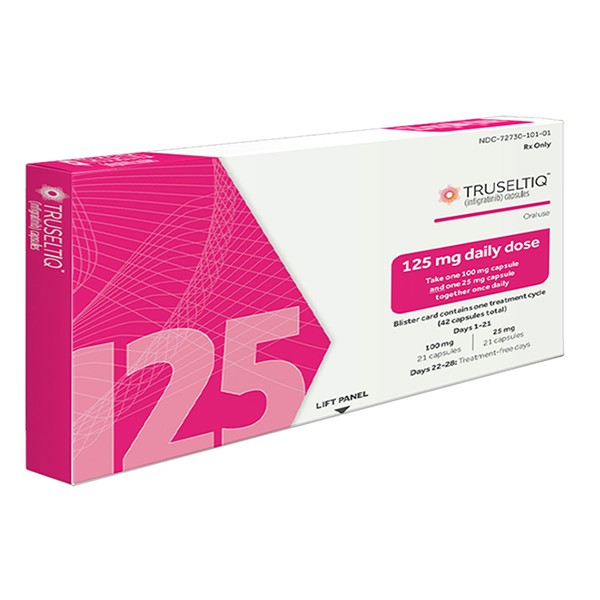
Infigratinib(Truseltiq)
Treatment of previously treated, unresectable locally advanced or metastatic...
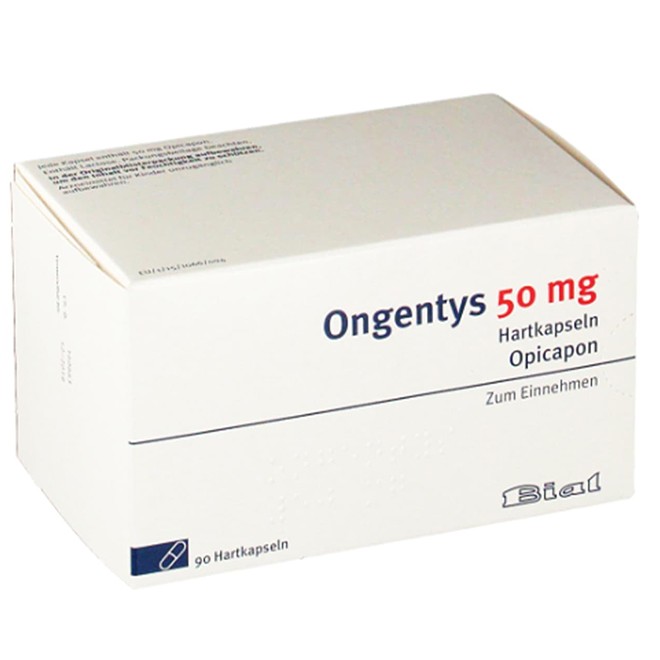
Opicapone(Ongentys)
Opicapone(Ongentys)
Adjunctive treatment to levodopa/carbidopa for reducing "off" episodes in...
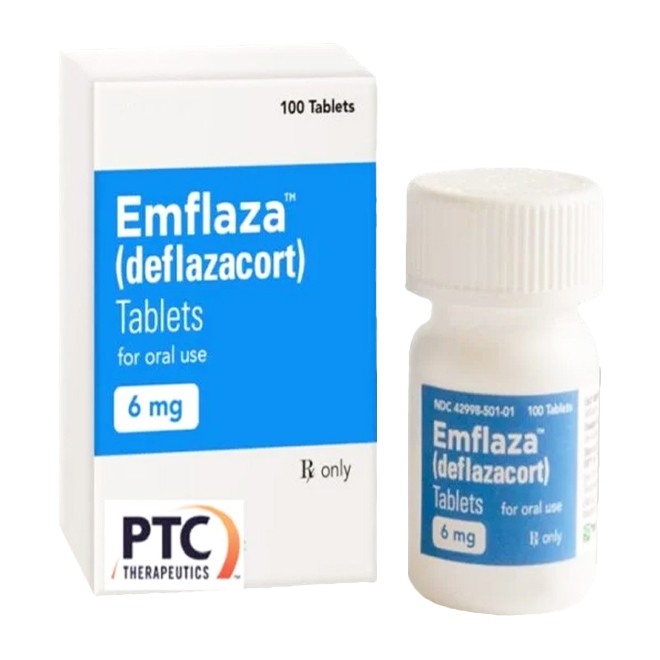
Deflazacort(Emflaza)
Treatment of Duchenne muscular dystrophy (DMD) in patients aged 2 years and...
Faricimab-svoa(Vabysmo)
Treatment of neovascular age-related macular degeneration, diabetic macular...
Counselling Service
Global Drug Search
Clinical Research Recruitment
Overseas Medical Treatment
Remote Consultations
Note: Our medical consultant will contact you as soon as possible. We promise to strictly protect your privacy.
Submit
Business
  • Core products
  • Antitumor drugs
  • General drug
  • Antiviral drugs
  • Biological agents
Contact Us 
  • haiousales@gmail.com
Welcome to consult
Seagull Pharmacy.,Ltd All rights reserved