

Proper storage of Lifyorli is the foundation for ensuring drug stability and therapeutic efficacy. The following instructions cover storage conditions, packaging management, and precautions during removal.
I. Storage Conditions and Temperature Requirements
1. Standard Room Temperature Storage
(1) Lifyorli should be stored at room temperature between 20°C and 25°C, with short-term excursions permitted between 15°C and 30°C.
(2) Avoid placing the medicine in places with excessively high or low temperatures, such as a car under summer sun, an unheated balcony in winter, or near radiators.
2. Keep in Original Packaging
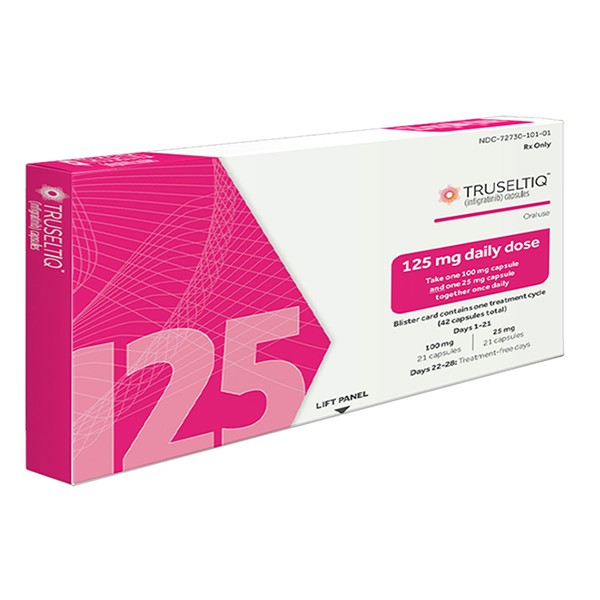
(1) The medicinal product must always be kept in the original carton until the moment of taking.
(2) The carton provides light protection and physical protection, preventing light and moisture from affecting the quality of the capsules.
(3) Do not transfer capsules to other containers (e.g., pill boxes, plastic bags) for long‑term storage.
3. Keep Away from Heat and Moisture
(1) The storage place should be dry, protected from light, and away from humid environments such as kitchens and bathrooms.
(2) Do not place the medicine in a refrigerator for freezing or refrigeration; this product does not require refrigeration.
(3) Avoid proximity to heat sources such as electric heaters, microwave ovens, or hot water pipes.
II. Packaging Management and Expiry Date
1. Inspection of Original Packaging Seal
(1) Before each removal, check that the carton and blister packaging are intact.
(2) If the packaging is damaged, torn, or damp, drug stability may be affected; stop using and consult the pharmacy.
(3) Capsules in the blister card should remain intact, not crushed or cracked.
2. Confirmation of Expiry Date
(1) Before use, verify the expiry date (EXP) on the carton and blister card; expired medicine must not be taken.
(2) After expiry, drug potency may be reduced, and safety cannot be guaranteed.
(3) If the expiry date is illegible, contact the pharmacist or supplier promptly for confirmation.
3. Disposal of Unused Medicine
(1) Expired or no‑longer‑needed medicine should not be discarded with household waste.
(2) Consult the pharmacy for specific instructions on drug take‑back programs or medicine return schemes, and follow local regulations for safe disposal.
III. Precautions During Removal and Use
1. Open Only Before Taking
(1) Each capsule should be removed from the blister card only when ready to be taken, to minimise exposure to air and light.
(2) If not taken immediately after removal, do not leave the capsule exposed; return it to the blister or swallow it promptly.
2. Moisture Protection and Contamination Prevention
(1) Hands should be dry and clean when removing the medicine, avoiding contact of moisture with the capsule shell.
(2) Soft capsules are sensitive to humidity; moisture may accelerate shell ageing or sticking.
(3) Do not store an opened blister card for prolonged periods in damp areas such as bathrooms or kitchens.
3. Child Safety
(1) All medicines should be kept out of the reach and sight of children to prevent accidental ingestion.
(2) It is recommended to use a lockable cabinet or a dedicated high storage location.
(3) If there are children in the home, clearly mark the original carton with an additional warning label to remind caregivers and visitors.