info@seagull-health.com
 SeagullHealth
 search

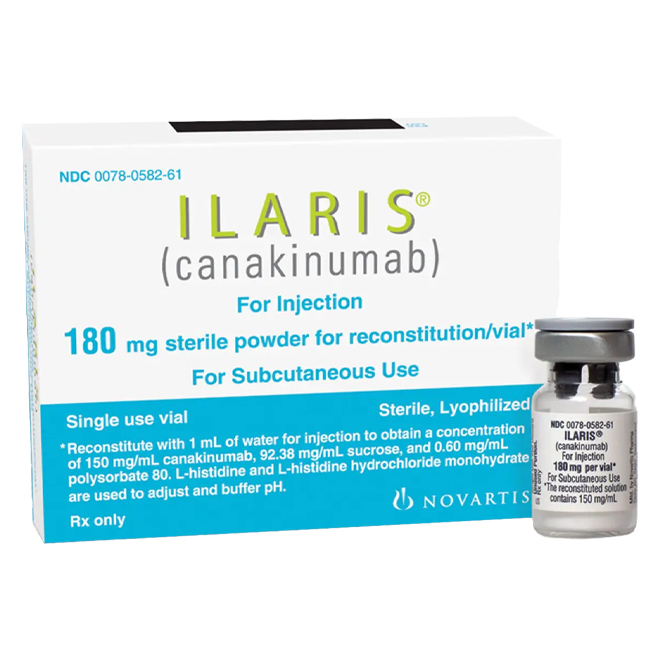
Canakinumab(ILARIS) Side Effects
Although canakinumab is an effective medication, it may also cause some side effects. During treatment with canakinumab, patients need to be aware of the possible side effects that may occur after using this drug.
Side Effects of Canakinumab
Cryopyrin-Associated Periodic Syndromes
The most common adverse reactions (with an incidence rate >10%) include diarrhea, influenza, rhinitis, nausea, headache, gastroenteritis, pharyngitis, weight gain, nasopharyngitis, dizziness, musculoskeletal pain, and bronchitis.
Tumor Necrosis Factor Receptor-Associated Periodic Syndrome, Hyperimmunoglobulin D Syndrome/Mevalonate Kinase Deficiency, and Familial Mediterranean Fever
The most common adverse reactions (with an incidence rate ≥10%) are nasopharyngitis and injection site reactions.
Still's Disease
The most common adverse drug reactions (with an incidence rate >10%) are injection site reactions, abdominal pain, and infections (including nasopharyngitis and upper respiratory tract infections).
Gout Flares
The most common adverse reactions (with an incidence rate >2%) are nasopharyngitis, urinary tract infections, upper respiratory tract infections, back pain, and hypertriglyceridemia.
If any discomfort or questions arise during the use of canakinumab, it is essential to communicate with a doctor. The doctor will evaluate the benefits and risks based on the patient's specific situation and provide appropriate advice and guidance to ensure that the treatment is as smooth and safe as possible.


- 1







- Core products
- Antitumor drugs
- General drug
- Antiviral drugs
- Biological agents
- haiousales@gmail.com