 info@seagull-health.com
 SeagullHealth
 search

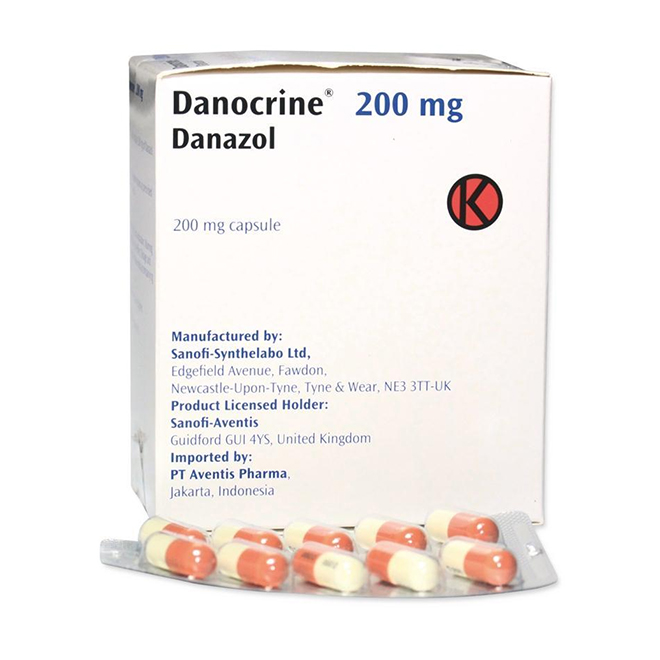
Danazol(Danocrine) Side Effects
Danazol (Danocrine), as an effective therapeutic drug, is widely used in clinical practice. When patients are treated with danazol, they may experience some drug side effects, which may have a certain impact on the patient's physical health and treatment effect. The following is a detailed introduction.
What are the adverse reactions of danazol (Danocrine)?
Danazol is clinically commonly used to treat endometriosis, fibrocystic breast disease, and hereditary angioedema. Some adverse drug reactions may occur during medication. The common adverse reactions are:
1. Androgen-like effects
Androgen-like adverse reactions include weight gain, acne, and seborrhea. Clitoral hypertrophy is rare.
2. Menstrual disorders
Menstrual disorders include breakthrough bleeding, changes in menstrual cycle, and amenorrhea.
3. Decreased estrogen levels
Flushing, sweating, vaginal dryness, irritation, and breast shrinkage.
4. Reduced spermatogenesis
Abnormalities in semen volume, viscosity, sperm count, and sperm motility.
5. Liver dysfunction
Including elevated serum enzymes and/or jaundice, etc.
6. Abnormal laboratory tests
Including glucose tolerance, glucagon, thyroid-binding globulin, etc.
7. Allergic reactions
Urticaria, pruritus, nasal congestion.
8. Central nervous system effects
Headache, tension, and emotional instability, etc.
9. Gastrointestinal reactions
Gastroenteritis, nausea, vomiting, constipation. Pancreatitis and splenic fibrosis are rare.
10. Musculoskeletal reactions
Muscle cramps or spasms, pain, joint pain, joint locking, etc. Carpal tunnel syndrome secondary to fluid retention is rare.
11. Urogenital reactions
Hematuria, prolonged amenorrhea after treatment.
12. Hematological reactions
Increased red blood cell and platelet counts, eosinophilia, leukopenia, and thrombocytopenia, etc.
13. Skin reactions
Rashes. Photosensitivity, Stevens-Johnson syndrome, and erythema multiforme are rare.
14. Other adverse reactions
Increased insulin requirements in diabetic patients, changes in libido, myocardial infarction, palpitations, tachycardia, increased blood pressure, interstitial pneumonia; rare cases of cataracts, gum bleeding, fever, pelvic pain, nipple discharge; after long-term use, rare reports of malignant liver tumors have been documented.

Free Inquiry


- 1






- Core products
- Antitumor drugs
- General drug
- Antiviral drugs
- Biological agents
- haiousales@gmail.com